


Headache after tooth extraction is a condition that causes concern for many people, especially after wisdom tooth removal or more complex oral surgery. So, is a headache after tooth extraction normal, or could it be a sign of a potentially serious complication? All of these questions will be addressed through the information shared below by Shark Dental Clinic!
Is headache after tooth extraction normal or a complication?
Experiencing a headache after a tooth extraction, particularly within the first 1–2 days, is usually a normal physiological response of the body. This headache may arise due to the stimulation of facial and jaw nerves, mild inflammation and swelling, or muscle tension from keeping the mouth open for an extended period during the procedure. Typically, the pain is mild to moderate and gradually decreases as the extraction site starts to heal.
Knowing how long does tooth extraction take to heal can help set realistic expectations for your recovery.
However, if the headache persists for several days, becomes more severe, or is accompanied by unusual symptoms such as fever, significant swelling, discharge, radiating pain, or noticeable bad breath after wisdom teeth removal, it may indicate complications like dry socket or infection. In such cases, it is important to return to your dentist for prompt evaluation and treatment.

Common causes of headache after tooth extraction
Experiencing a headache after tooth extraction, particularly following wisdom tooth surgery, is not uncommon. The discomfort may radiate to the temples or the top of the head and can result from various factors, including:
- Irritation of facial and jaw nerves: Wisdom teeth are situated near important nerve pathways. If these nerves are compressed or irritated during extraction, it can cause pain that radiates from the jaw to the head, resulting in a dull ache or intermittent throbbing.
- Retained tooth fragments or root remnants: If part of the tooth root is not completely removed, ongoing inflammation and irritation may occur, leading to prolonged pain that could extend to the head and neck.
- Dry Socket: If the blood clot fails to form properly or becomes dislodged prematurely, the underlying bone and tissue may be exposed. This can lead to severe pain, often accompanied by headaches and bad breath.
- Infection: Poor oral hygiene or a sensitive immune response can allow bacteria to enter the wound. Infection is often associated with swelling, mild fever, fatigue, and headache.
- Jaw muscle strain from prolonged mouth opening: During wisdom tooth extraction, patients typically need to keep their mouths open for an extended period. This can strain the jaw and temple muscles, leading to headaches once the anesthesia wears off.
- Natural inflammatory response: Any procedure affecting bone and soft tissue can trigger mild inflammation, which may cause temporary headaches and fatigue during the first few days of recovery.
How long does headache last after tooth extraction?
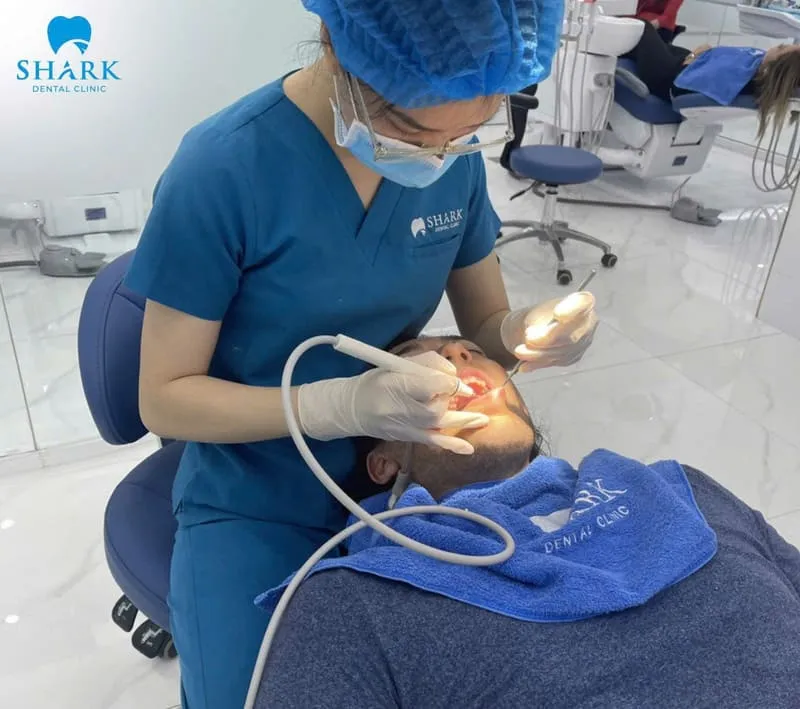
A headache after tooth extraction, especially following wisdom tooth removal, is usually temporary and tends to improve as healing progresses. The duration of the headache can vary depending on individual health, the complexity of the extraction, and post-operative care.
You can expect the recovery timeline to be as follows:
- First 24–48 hours: This is when the body reacts most strongly to the surgical impact. Pain may radiate from the jaw to the temples or one side of the head due to nerve involvement and mild swelling.
- Days 3–5: With proper care, healing should progress smoothly. The headache should noticeably subside, swelling after tooth extraction should decrease, and gum tissue will become more stable.
- After 5–7 days: In the absence of complications, the headache typically resolves completely as the wound enters an active healing phase.

How to relieve headache after tooth extraction safely
If you experience a headache following a tooth extraction, using the right relief methods can help alleviate your symptoms quickly and prevent complications. Consider the following safe approaches:
- Ensure stable blood clot formation: Immediately after the procedure, bite firmly on the gauze as instructed. This helps form a protective blood clot at the extraction site, which shields the underlying bone and tissue, reducing irritation that could trigger a headache.
- Take medications as prescribed: Follow your dentist’s instructions regarding pain relievers or antibiotics, including exactly how many days of antibiotics before tooth extraction you are required to take if prescribed prophylactically. It’s important to take them at the correct dosage and for the recommended duration. Do not stop or change these medications without professional advice, as this could prolong inflammation and result in a persistent headache.
- Apply cold compresses for the first 24–48 hours: Placing an ice pack on the outside of your cheek near the extraction site can help reduce swelling and numb discomfort. Cold therapy constricts blood vessels, which limits inflammation that may contribute to headaches.
- Maintain gentle oral hygiene: Rinse your mouth according to your dentist’s instructions, avoid forceful spitting, and do not touch the extraction site. Proper care minimizes the risk of infection, a common cause of prolonged headaches after extraction.
- Choose a reputable dental clinic: The skill of your dentist and adherence to proper sterilization protocols significantly influence healing speed. Having your wisdom tooth removed at a trusted clinic decreases the risk of complications, including persistent headaches.
When to see a dentist for headache after tooth extraction
During the first 1–2 days, a mild headache after tooth extraction is generally not a cause for concern, as it is often a temporary reaction to the dental procedure. Symptoms typically improve as swelling subsides.
However, you should seek dental care if:
- The headache lasts longer than 2–3 days without improvement.
- The pain becomes increasingly severe.
- You experience significant swelling, fever, fatigue, persistent bad breath, or abnormal discharge from the extraction site.
Early examination helps detect complications promptly and ensures a safe and smooth recovery.

In most cases, a headache after tooth extraction is temporary and resolves within a few days with proper care. Nevertheless, do not ignore persistent pain or unusual symptoms. Timely dental evaluation is essential to prevent complications and support optimal healing.