

Getting a dental crown is a popular cosmetic trend that effectively improves problems such as discolored, stained, or chipped teeth and is loved by many. Besides its restorative benefits, many people also wonder: how common is decay under a crown, and how can it be prevented? Let Shark Dental Clinic explain the detailed answers in the article below.
How common is decay under a crown?
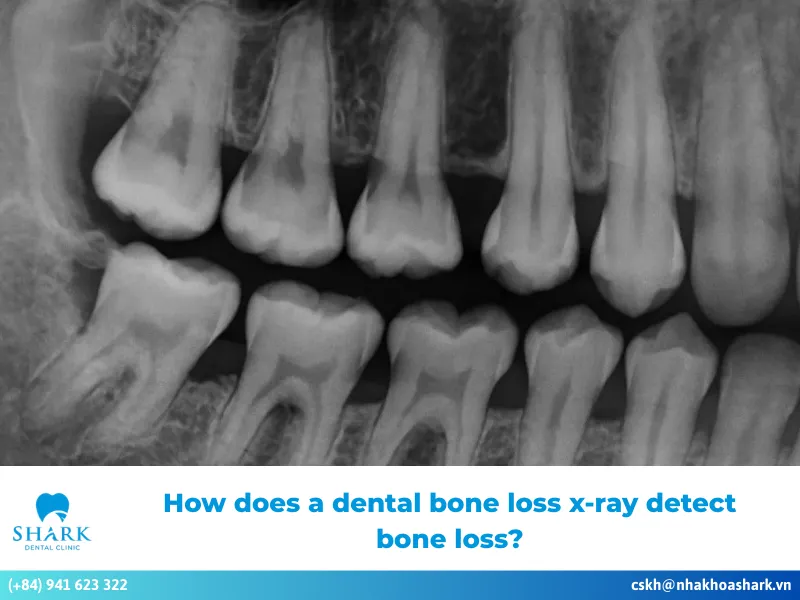
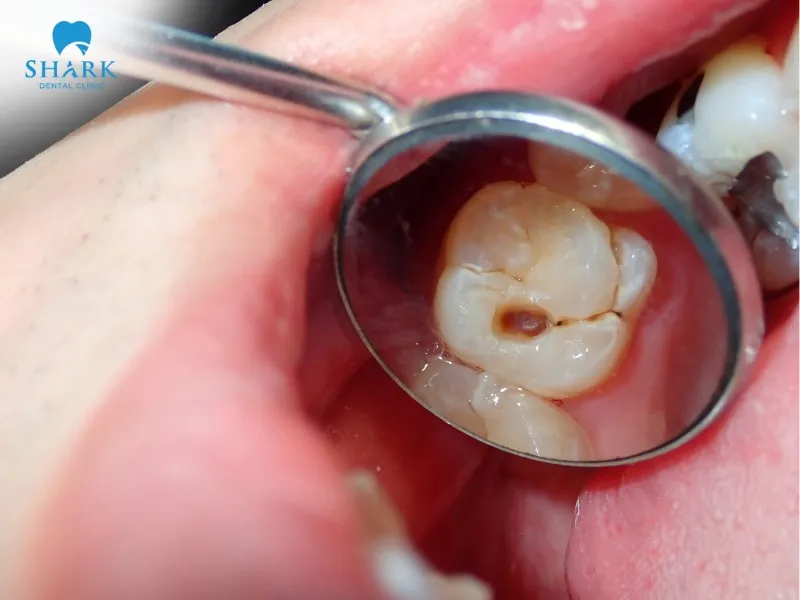
Decay under a dental crown is relatively common and can often be difficult to detect. After receiving a crown, if proper oral hygiene is not maintained, bacteria and food particles can accumulate around the margin of the crown. If this issue is not addressed promptly, it can damage the underlying tooth structure and eventually lead to tooth decay.
Cavities under a crown can be hard to identify, and most patients only notice the problem during a dental check-up or when they begin to experience persistent tooth pain or discomfort. Therefore, even after a tooth has been covered with a crown, there remains a significant risk of developing decay and serious infections.
>>> See more: How long before a crown feels normal?
How can a cavity form under a dental crown?
Decay under a dental crown occurs when bacteria and plaque build up over time at the gum line or in the small gap between the natural tooth and the crown. Several factors can cause the crown to become slightly loose or open, allowing food to become trapped. This creates an environment where bacteria can thrive, leading to the destruction of the underlying tooth structure and resulting in decay.
Additionally, failing to brush daily or brushing incorrectly can allow bacteria to multiply aggressively. Over time, these bacteria can damage the soft tissues around the tooth margin and attack the tooth surface, resulting in decay beneath the crown.
>>> See more: Black gum line around crown
Some common signs of decay under a dental crown include:
- Tooth sensitivity: If you frequently experience sensitivity after getting a crown, especially when consuming hot or cold foods, this may indicate underlying decay.
- Bad breath: Persistent bad breath can be a sign of tooth decay. As decay progresses, bacteria in the mouth can produce sulfur compounds that lead to unpleasant odors.
- Gum inflammation: Pain, swelling, and irritation around the gum line are warning signs that should not be ignored. Some individuals may also notice swollen gums or bleeding around the tooth.
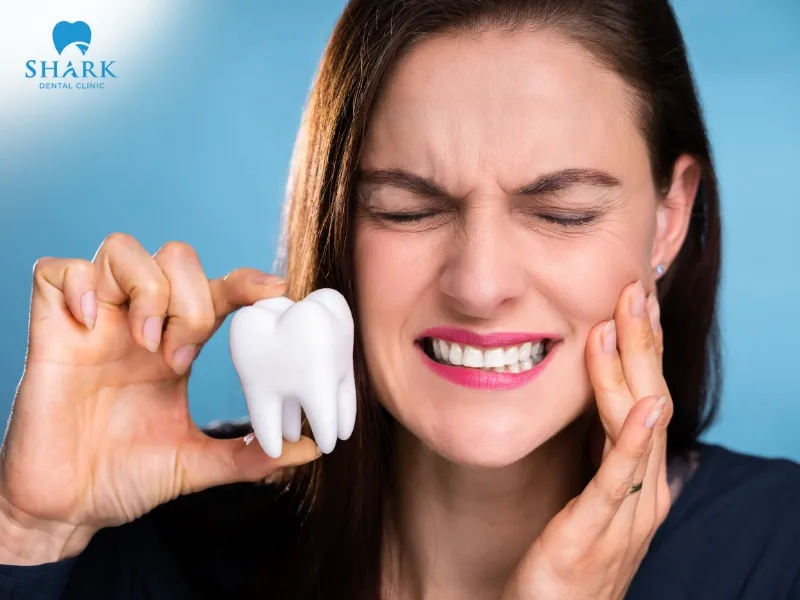
- Toothache: When tooth decay develops, many individuals experience uncomfortable tooth pain, which serves as a clear warning sign of decay forming under a porcelain crown.

In summary, porcelain crowns are designed to preserve natural teeth, but they cannot prevent the buildup of bacteria and food debris if you do not maintain proper oral hygiene. To optimize the effectiveness of your dental restoration and reduce the risk of tooth decay, it’s essential to follow good oral care practices.
Effective ways to prevent decay under a crown
To avoid decay under a porcelain crown, consider the following preventive measures:
- Brush properly: After receiving a porcelain crown, it’s crucial to brush your teeth regularly, ideally 2-3 times a day. Use a toothbrush with soft bristles and a tapered, rounded head to reach every area of your mouth.
- Use dental floss: Glide dental floss between your teeth to remove bacteria and food debris from spots that a toothbrush may not be able to reach.
- Mouth rinsing: Rinse your mouth with a saline solution or a specialized antiseptic mouthwash daily. This practice helps eliminate bacteria effectively and reduces the risk of cavities and gum inflammation.

- Limit sugar and starch intake: Sugar serves as an ideal food source for bacteria, enabling them to thrive. Reducing your consumption of sugar and starchy foods can help minimize the chance of bacterial attacks and tooth decay.
- Stay hydrated: Aim to drink at least 2 liters of water daily. Water helps cleanse the oral cavity, rinses away food debris, maintains oral moisture, and protects tooth enamel.
- Include Calcium and Vitamin D: Incorporate foods rich in calcium and vitamin D, such as milk, cheese, and salmon, into your diet. These nutrients strengthen tooth enamel and reduce the risk of infection.
- Avoid harmful habits: Refrain from nail biting, teeth grinding, or using your teeth to open bottle caps, as these behaviors can lead to chipping, allowing bacteria to invade and cause decay or enamel damage.
- Schedule regular check-ups: For effective cavity prevention, visit a reputable dental clinic for check-ups at least every 3-6 months.
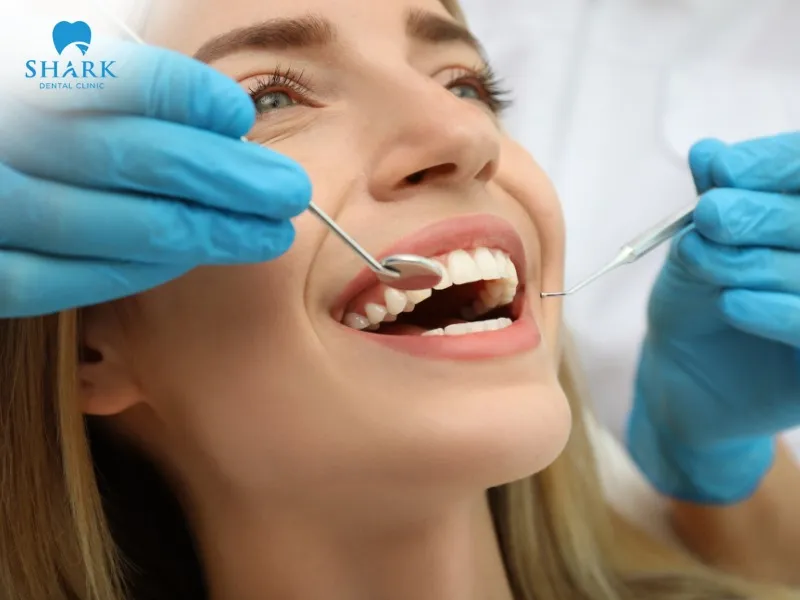
Shark Dental Clinic has clearly explained how common is decay under a crown and how to prevent it. With this information, you now have a better understanding of how to care for your oral health and effectively minimize the risk of tooth decay.
>>> See more: Can crowns get cavities?