


After getting a dental crown, caring for your teeth properly and scientifically plays an important role in maintaining the aesthetics and longevity of the crown. So, how long after a crown is cemented can I drink coffee? How should you drink it safely? Let’s read the content below to find the exact answer!
How long after a crown is cemented can I drink coffee?
You can generally drink coffee about 2 to 4 days after your porcelain crown has been permanently cemented. However, dental experts advise against frequent coffee consumption, particularly for patients who have undergone cosmetic porcelain crown procedures.
Coffee contains a component called tannin, which can cause colored pigments to cling to the surface of porcelain crowns. This can lead to yellowing and discoloration, making the crowns more challenging to clean. Additionally, coffee is acidic, and drinking it too often can erode tooth enamel, ultimately affecting the longevity of your dental restoration.
Research also indicates that coffee can contribute to bad breath, increase the buildup of bacteria in the mouth, and potentially result in issues such as cavities and gum inflammation.
Fortunately, there are many types of porcelain crowns available today that have high color resistance and excellent anti-abrasion properties, including Lava Plus, Venus, Cercon, and Diamond Vita. These options can help maintain a strong, bright, and long-lasting smile.

>>> See more: Can you eat after getting a crown?
Why you should wait before drinking coffee after a crown?
A study published in the Journal of Dentistry in 2019 reported that coffee can affect the porcelain surface and diminish the gloss of the crown after restoration. Doctors at SGC Dental Clinic also note that tannin is a primary cause of tooth discoloration and yellowing.
Here are several reasons why you should avoid drinking coffee immediately after getting a porcelain crown:
- Discoloration of porcelain crowns: The dark pigments in coffee can easily adhere to the porcelain surface, leading to yellowing and discoloration, particularly with newly placed crowns that have not yet fully stabilized.
- Loosening of dental cement: Hot coffee can weaken or loosen the bonding cement used to attach the crown, especially in the early post-treatment period. This increases the risk of the crown dislodging, exposing crown margins, and reducing the effectiveness of the restoration.
- Increased tooth sensitivity: Immediately consuming coffee—especially in large quantities—can heighten sensitivity in the gums and dentin. This may result in prolonged discomfort or aching.

- Gum inflammation: Coffee residue that lingers around the gumline can create an environment for bacteria to thrive, leading to swelling, redness, inflammation, and even bleeding of the gums.
- Enamel erosion: The acidic nature of coffee can lead to enamel erosion over time. When enamel is worn down, teeth become more susceptible to staining, discoloration, and reduced durability.
- Tartar buildup: Coffee contains natural pigments and sugars that serve as food sources for bacteria. Without proper dental hygiene, this can result in plaque and tartar buildup around porcelain crowns over time.
- Bad breath: Coffee can reduce moisture in the mouth, creating conditions that allow bacteria to grow. This is a primary cause of bad breath, especially during the initial stages following crown placement.

- Chipped porcelain crowns: Drinking hot coffee immediately after getting porcelain crowns can cause the porcelain’s surface to crack due to high temperatures, ultimately reducing the lifespan of the crowns.
- Increased risk of tooth sensitivity: The caffeine in coffee can heighten the sensitivity of your nerves. Consuming coffee right after getting crowns may lead to sensitivity, aching, and discomfort.
- Reduced gloss of porcelain crowns: Frequent exposure to the acids and pigments in coffee can diminish the gloss of your crowns. As the shine wears off, the crowns may become more susceptible to yellowing and uneven color, impacting their aesthetics.
- Increased teeth grinding: Caffeine stimulates the nervous system, which can lead to increased tension and potentially result in nighttime teeth grinding. Over time, this habit may increase the risk of chipping porcelain and reduce the durability of the restoration.

In summary, after receiving porcelain crowns at the dental clinic, you should avoid drinking coffee immediately and follow your dentist’s instructions for a protective diet.
Safe ways to drink coffee after your porcelain crown is cemented
If coffee is your favorite beverage and you’ve recently received porcelain crowns, consider the following helpful methods:
- Use a straw: Drinking coffee through a straw can minimize contact between tannins and your porcelain crowns. This helps reduce the risk of darkening at the gumline and tooth discoloration, making it an effective way to protect your crowns.
- Rinse your mouth after drinking coffee: After enjoying your coffee, rinse your mouth immediately with a saline solution or an antibacterial mouthwash. This helps remove food debris and coffee residue and reduces the risk of bad breath.
- Maintain good oral hygiene: Stick to brushing your teeth 2–3 times a day, especially after consuming coffee. Additionally, use dental floss to clean between the margins of your porcelain crowns to help prevent staining, cavities, and inflammation.
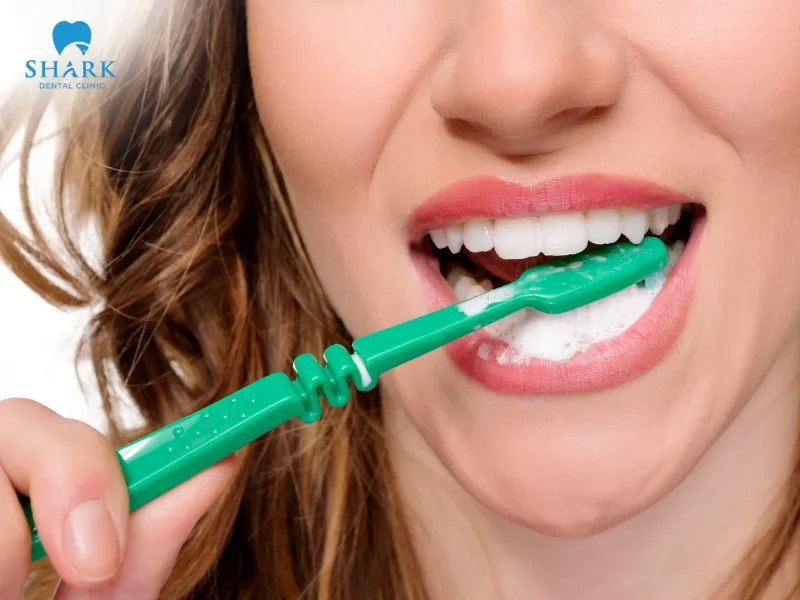
- Routine scaling (tartar removal): To minimize staining from coffee, schedule regular scaling appointments at your dental clinic. Scaling removes plaque buildup on porcelain surfaces, keeping your teeth clean and bright.
- Choose low-sugar coffee: Opt for low-sugar, low-acid coffee after getting your porcelain crowns. This helps prevent cavity-causing bacteria from accumulating in your mouth and supports better enamel protection.
- Avoid overly hot coffee: While hot coffee may enhance flavor, it’s wise to let it cool slightly before drinking. High temperatures can cause the porcelain material to expand and potentially loosen the bonding cement, compromising the stability of your restoration.
- Prioritize diluted coffee: Pure coffee contains a high concentration of pigments that can lead to tooth discoloration, making porcelain crowns more susceptible to staining. Consider choosing diluted coffee options to reduce harmful effects on your crowns.

With these tips, your question about how long after a crown is cemented can I drink coffee has been thoroughly addressed. Hopefully, you now have a clearer understanding of the potential effects of coffee and useful strategies for enjoying it safely after your porcelain crown treatment!
>>> See more: Can you get a crown while pregnant?