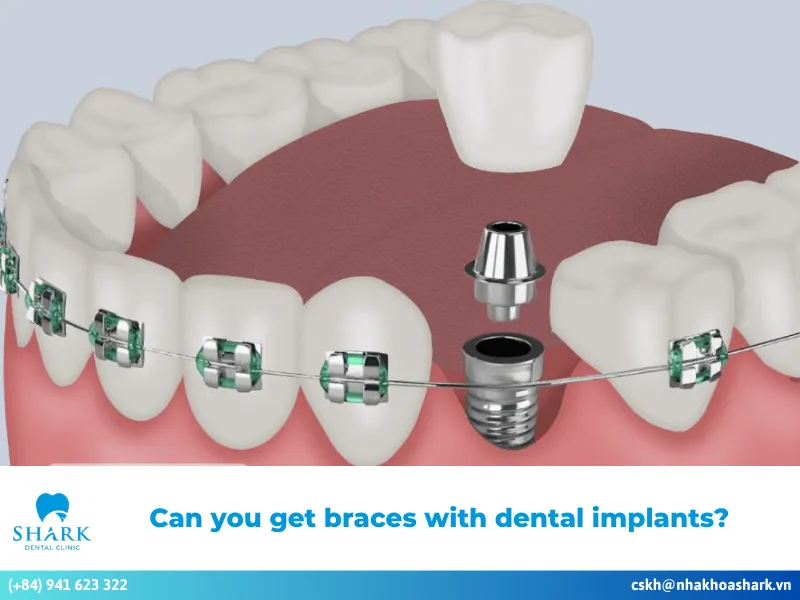



Tooth grinding and root canal treatment are often required when a tooth is severely infected or damaged. However, how long does a core build-up last without a crown? Let’s find out the detailed answer in the following article!
How long does a core build-up last without a crown?
After a root canal treatment, a core build-up (the reconstructed tooth structure) can last anywhere from 1 to 5 years without a crown, depending on your overall oral health. Root canal treatment is essential when a tooth is infected or its function is compromised. Even after the pulp is removed, a tooth can still function for a certain period if it is not immediately covered with a porcelain crown. Many patients also take this stage to consider restoration options and compare factors such as porcelain crown cost in Vietnam, especially when planning long-term dental treatment.
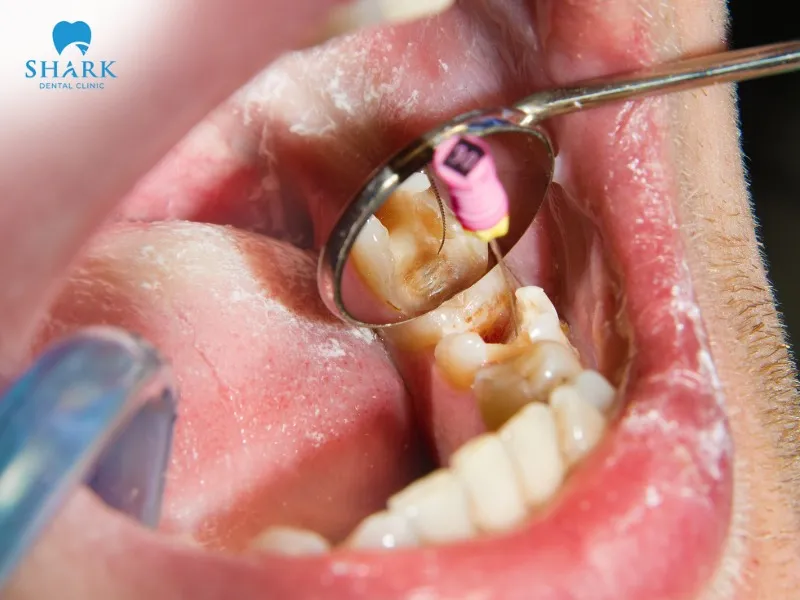
Factors affecting the lifespan of the core build-up if not covered with a crown after root canal treatment:
- Timely root canal treatment: If an infected tooth is treated and the pulp is removed promptly, the remaining tooth structure can maintain better durability, even without a porcelain crown.
- Treatment method: The core build-up can last longer if an appropriate filling material is used. This filling helps prevent bacterial invasion and reduces the risk of reinfection.
- Tooth position: The location of the treated tooth significantly impacts the lifespan of the core. For instance, if the root canal is performed on a molar that endures less chewing force, it may not require a crown immediately after treatment.
- Actual tooth condition: The rebuilt tooth core is likely to last longer if the patient does not suffer from dental diseases such as tooth decay, periodontitis, or gingivitis.
- Oral hygiene habits: Daily oral care routines greatly influence the longevity of a tooth after a root canal treatment. Regular brushing, using mouthwash, and dental floss help keep your teeth clean and prevent bacterial accumulation.
- Dentist’s expertise: If the root canal procedure is performed by a dentist with limited experience or technical errors, the core structure may become damaged or infected. The quality of dental equipment and the clinic’s facilities also play a role in determining how long the tooth will last.
>>> See more:
Reasons why tooth stumps are damaged if not covered with porcelain
After a root canal treatment, if the tooth stump is not protected by a porcelain crown, it can easily become damaged and lose its function. Many patients ask, “Can you get a crown without a tooth?” Technically, a crown requires a sturdy foundation—either a natural tooth stump or a dental implant—to stay in place. This is why preserving the remaining structure after a root canal is so critical. Here are some common reasons for stump damage:
- Tooth decay: Once the pulp has been removed, the tooth becomes more vulnerable to bacterial invasion, leading to secondary decay. This is one of the primary causes of stump damage if a crown is not placed.
- Loss of tooth structure: When a tooth is weakened by infection and is not restored promptly, it becomes thin, brittle, and prone to cracking or breaking.
- Lack of protection: A tooth stump without a porcelain crown is exposed to direct chewing forces. Even minor pressure from chewing or biting can cause the tooth to chip or fracture.
- Poor-quality filling material: If only a temporary filling is used after the root canal without being covered by a crown, the material may degrade over time, allowing bacteria to enter and cause infection or decay.

- Gingivitis and periodontitis: After root canal treatment, if the tooth is not protected by a porcelain crown, plaque can easily accumulate around the tooth’s surface. Without proper cleaning, bacteria and food debris can linger for an extended period, leading to infection and potential damage to the tooth.
- Chewing habits: The tooth stump can be further compromised by poor habits such as teeth grinding, chewing predominantly on one side, or biting hard objects. These actions place excessive pressure on the treated tooth, increasing the risk of fractures or cracks.
- Tooth sensitivity: Individuals with heightened tooth sensitivity are more likely to experience damage to the tooth stump if a porcelain crown is not placed promptly. Common symptoms include pain, sensitivity, and discomfort when chewing or consuming hot or cold foods.
- Oral care habits: Maintaining proper oral hygiene after root canal treatment is crucial. The natural tooth stump may suffer damage if you brush too hard, neglect brushing altogether, or use wooden toothpicks, which can injure gum tissue and provoke inflammation.

>>> See more: Can i get a filling instead of a crown?
How to protect the tooth stump regeneration part
The core build-up or tooth stump can be easily damaged if not restored in a timely manner. Therefore, during this interim period, it’s important to follow the protective care tips below:
- Maintain proper oral hygiene: After root canal treatment, the tooth becomes highly sensitive, so keeping your mouth clean is essential. Brush your teeth gently 2–3 times per day and complement this with mouthwash, a water flosser, and dental floss to remove food residue and prevent bacterial growth.
- Eat and drink wisely: Avoid chewing on hard seeds, sticky candies, or tough foods, as strong biting forces can fracture the filling material. Additionally, limit the consumption of overly hot or cold foods, since sudden temperature changes can cause the filling to expand or contract, leading to potential leakage at the edges.
- Schedule regular dental check-ups: After root canal treatment, schedule visits to your dentist for regular check-ups every 3–6 months or as advised. The dentist will carefully assess your oral condition and provide timely treatment if any abnormalities arise.
- Protect your gums: The gums are vital for maintaining healthy teeth, helping to prevent infections and providing support for the stability of the crown. Therefore, ensure you clean your gums daily using gentle brushing and adequate mouth care.
- Avoid using teeth whitening products: In the initial stage after root canal treatment and prior to crown placement, refrain from using teeth-whitening products. These products often contain strong bleaching agents that can erode the filling and cause gum irritation or inflammation.
- Maintain a nutritious diet: Include foods rich in calcium, vitamin D, and phosphorus in your daily diet. These nutrients help strengthen tooth structure and promote recovery after root canal therapy.
- Keep a relaxed mindset: To aid in the speedy healing of your tooth after root canal treatment, maintain a positive and relaxed state of mind. Ensure adequate sleep, manage stress, and engage in light exercises such as yoga, meditation, or deep breathing. A calm and balanced mental state supports the body’s healing and regeneration processes.
For teeth in the aesthetic zone, especially the front upper teeth, many patients choose restorations such as porcelain crowns front teeth to regain both strength and a natural-looking smile.

This article has outlined the answer to the question: “how long does a core build-up last without a crown” and provided practical ways to protect the tooth stump before porcelain restoration. Depending on your specific case and oral health condition, your dentist will recommend the most suitable restorative solution following root canal treatment. We wish you strong, confident, and radiant teeth every day!
>>> See more: Porcelain crowns cost front teeth