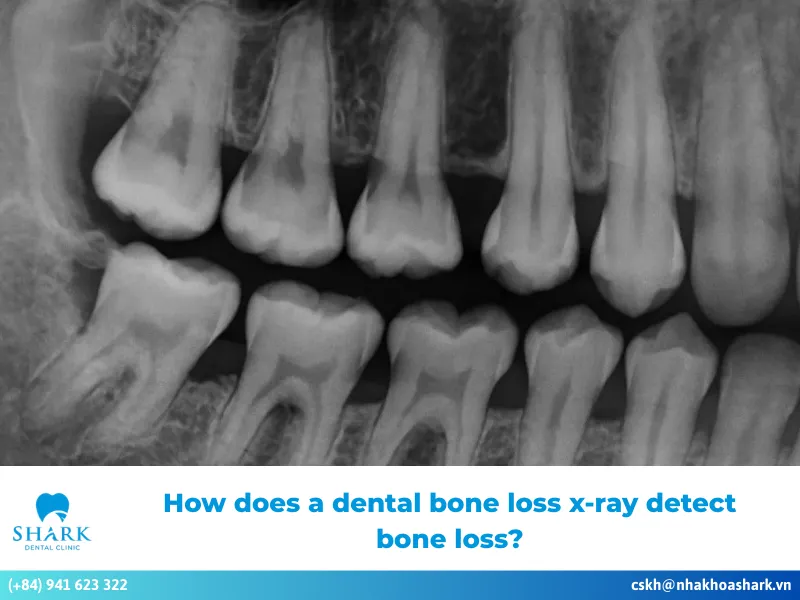



Porcelain crowns are a solution that helps significantly improve both the aesthetics and function of the teeth. However, before undergoing the procedure, many people still wonder: “How long does a crown take to heal“? To help you prepare better and clearly understand each stage of healing, Shark Dental Clinic will share all the details in the article below!
How long does a crown take to heal?
The full healing time after receiving a dental crown typically ranges from 2 to 4 weeks for most patients. However, this timeline can vary based on several factors, such as your oral health, the number of crowned teeth, the condition of the underlying tooth, and the dentist’s expertise.
For patients with naturally sensitive teeth, discomfort may last somewhat longer. This is considered a normal response as your tooth adjusts to the new crown. However, if the discomfort becomes unusual or persists beyond the typical timeframe, it is advisable to visit your dental clinic for timely evaluation and care.
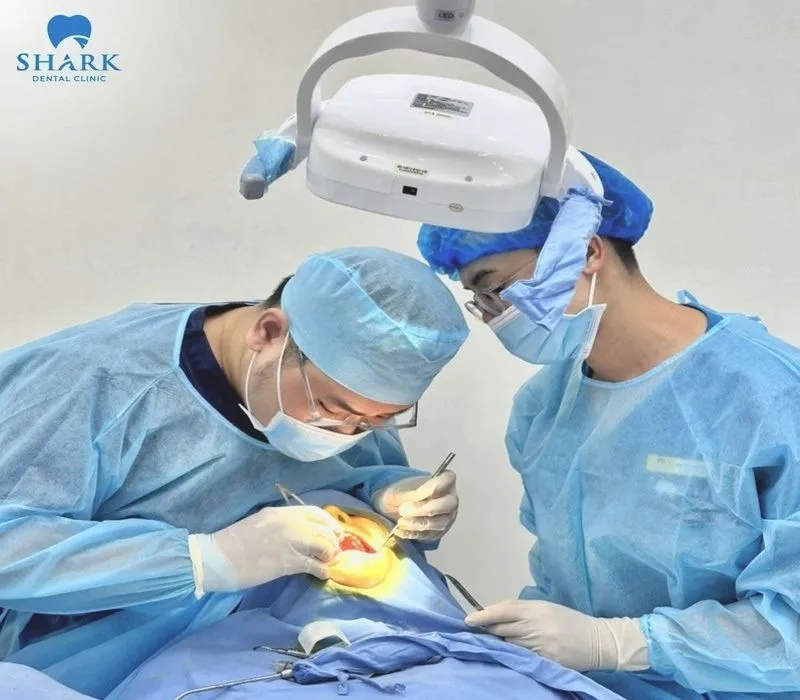
Your step-by-step dental crown healing timeline
Understanding how long a crown takes to heal becomes clearer when you break down the adaptation process into stages:
Day 1–2: Post-procedure care
This is the initial adjustment phase. You may experience mild pain or soreness around the newly crowned tooth. At this point, the bonding strength between the crown and the tooth structure is still developing.
To shorten the healing time, avoid hard, chewy, or extremely hot or cold foods. Over-the-counter pain relievers, such as ibuprofen, may help reduce discomfort.
>>>See more: Can you chew gum with a crown?
Days 3–7: Gum adjustment period
From day 3 to day 7, the gum tissue gradually adapts to the shape of the crown. You may feel slight pressure or sensitivity while eating.
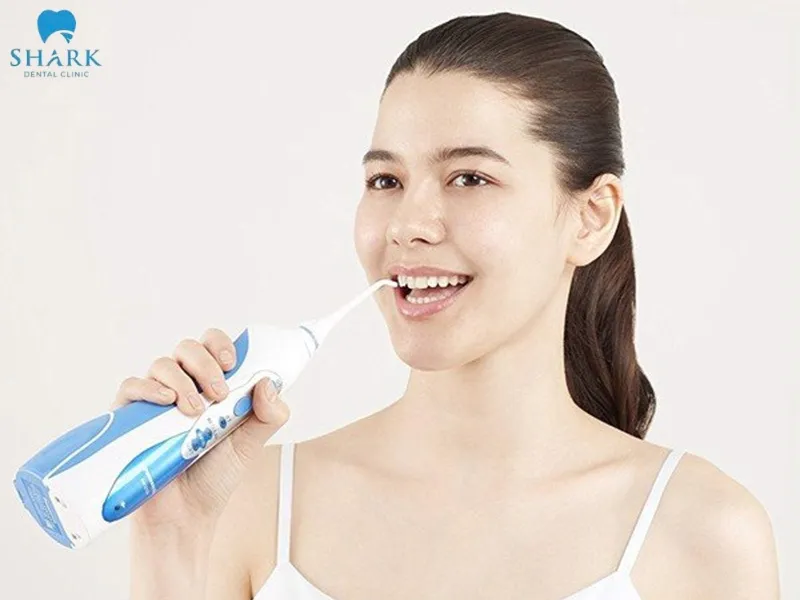
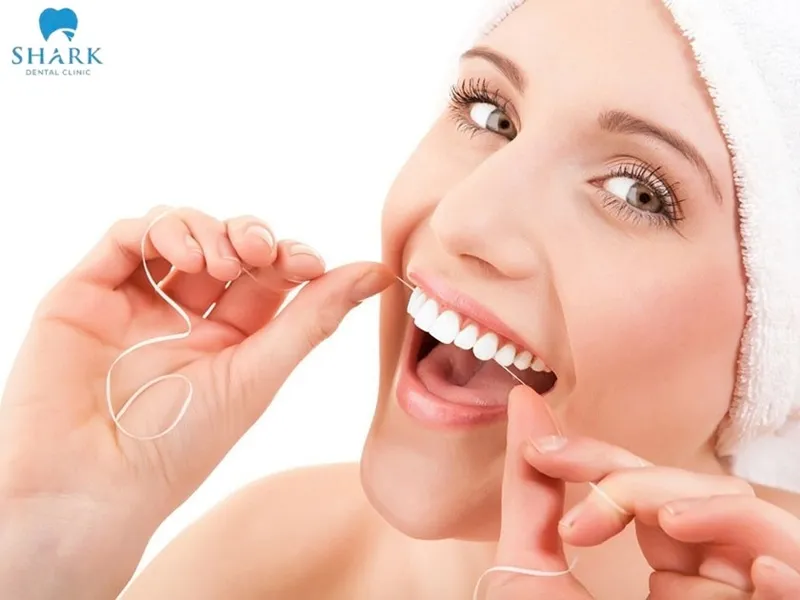
During this period, brush and floss gently to avoid placing too much force on the crown and surrounding gums. This helps protect the crown and maintain stability.
Week 2: Sensitivity may linger
In the second week, your tooth may still be sensitive to temperature changes, but this sensitivity will gradually improve.
Continue to avoid very hot or cold foods. If the sensitivity becomes unusually intense or does not improve, contact your dentist for an examination and proper intervention.
Weeks 3–4: Stabilization and normal function
By weeks 3 to 4, the crown generally stabilizes, and your bite should feel balanced once again.
At this stage, you can return to your normal eating and oral care routines. Any remaining sensitivity or discomfort will gradually disappear, allowing your crown to function well while maintaining an attractive, natural smile.
>>> See more: Can you eat after getting a crown?
Why does proper aftercare matter?
Proper aftercare following the placement of a dental crown is crucial for maintaining long-term health, function, and aesthetics. Here are the key benefits you should be aware of:
- Extends the lifespan of your crown: With proper care, your crown can last longer than expected, which directly relates to how long do porcelain crowns last and helps you avoid the cost and inconvenience of early replacement.
- Protects your gums and natural tooth: Neglecting oral hygiene can allow bacteria to develop and attack the natural tooth beneath the crown, leading to serious dental problems.
- Maintains aesthetics: Well-maintained crowns remain bright and smooth, minimizing staining or discoloration from food and beverages, thus preserving their appearance.
- Prevents complications and oral diseases: Proper care helps reduce bad breath caused by bacterial buildup and lowers the risk of periodontal disease and other dental issues.
Through this detailed guide shared by Shark Dental Clinic, you can see that the answer to “How long does a crown take to heal” depends on many factors, and most patients only experience mild, temporary discomfort. To help your crown stabilize quickly, minimize sensitivity, and maintain long-term aesthetics, it’s essential to follow your dentist’s aftercare instructions closely.
By adhering to the recommended care steps, the healing process will progress smoothly, helping you achieve a confident, healthy smile sooner.