


If dentures are not cleaned properly, they can easily develop bad odors, allow bacteria to accumulate, and cause inflammation in the oral cavity, negatively affecting oral health. Therefore, how to clean dentures naturally is a topic of great interest to many people and is widely practiced. Let’s explore some useful tips shared by Shark Dental Clinic in the article below!
Understanding the importance of denture care
Denture care and hygiene are strongly recommended by dental specialists because neglecting proper maintenance can negatively affect oral health.
- Infections and oral inflammation: Inadequate cleaning of dentures allows bacteria to accumulate beneath the gums, which can lead to gum inflammation, throat irritation, and mouth ulcers.
- Bad breath: The buildup of bacteria and plaque on dentures is a primary cause of halitosis, leading to discomfort in daily activities. To prevent this, it is important to know how to remove hard plaque from dentures effectively.
- Bone loss: Poor denture hygiene can result in changes to jaw size. Chronic inflammation in the oral cavity may gradually lead to jawbone resorption, causing dentures to become looser over time.
- Impact on overall health: Poorly cleaned dentures can interfere with chewing. If this issue persists, it may result in bad breath, affect the oral structure, weaken the immune system, and increase the risk of serious health problems.
>>> See more: What is one advantage of using acrylic teeth instead of porcelain teeth in partial dentures?
How to clean dentures naturally
There are various ways to clean dentures at home. Learning how to clean dentures naturally provides simple, effective solutions that help reduce potential health risks..
Daily cleaning routine
Removable dentures should be cleaned daily to prevent staining and maintain their appearance. To properly care for dentures, follow these steps:
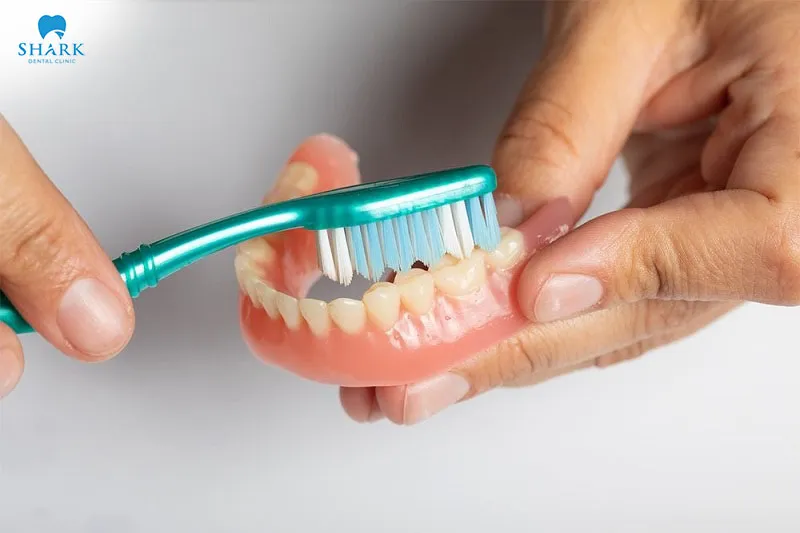
- Remove and rinse dentures: After eating, take out your dentures and rinse off any food debris. Allow them to dry.
- Brush dentures daily: Gently brush your dentures to clean them thoroughly. Soak them in clean water or a safe denture cleanser to remove plaque from the grooves and areas that contact the gums. Do not use denture cleanser inside your mouth.
- Clean the oral cavity: Use a soft-bristled toothbrush to gently clean your tongue, cheeks, and palate to remove plaque and prevent bacterial growth.
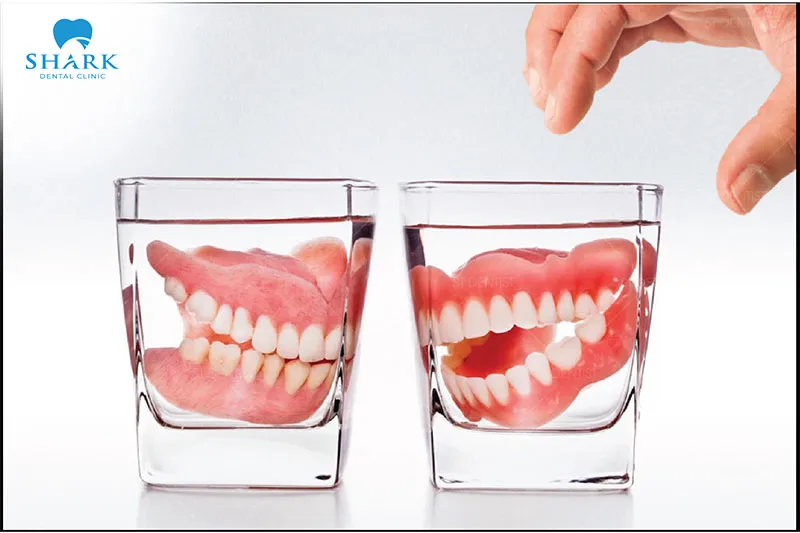
- Soak dentures overnight: After cleaning, soak your dentures overnight according to the manufacturer’s instructions to eliminate bacteria.
- Rinse and dry: Rinse your dentures under clean water, pat them dry with a soft towel, and store them in a clean, well-ventilated place.
Use lemon juice
Lemon juice is an effective cleaning agent for dentures due to its acidic content, which helps remove stains and eliminate odors. However, avoid soaking dentures for too long to prevent damage.
How to use:
- Squeeze fresh lemon juice and mix it with 2 tablespoons of salt.
- Dip a toothbrush into the mixture and gently scrub the dentures. This method not only cleans but also deodorizes dentures and is widely recommended.
Use Baking soda
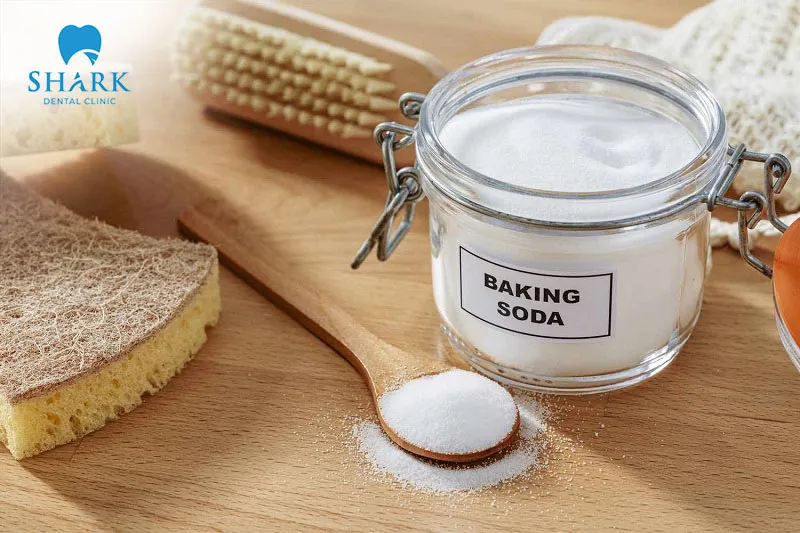
Combining lemon juice with baking soda is highly effective for cleaning dentures. While lemon provides natural acidity, baking soda possesses antibacterial properties, making this combination both safe and efficient.
How to use:
- Mix baking soda with lemon juice to form a thick paste.
- Use a toothbrush or cotton swab to apply the mixture and gently brush the dentures.
- Leave it on for 1 to 2 minutes, then rinse with warm water.
- Apply this method 2 to 3 times per week to prevent bacterial buildup.
Use Hydrogen Peroxide
Hydrogen peroxide is a popular choice for cleaning dentures due to its effectiveness, convenience, and affordability. After cleaning, ensure that dentures are rinsed thoroughly to avoid erosion.
How to use:
- Mix hydrogen peroxide with clean water in a 1:1 ratio.
- Dip a toothbrush into the solution and gently scrub the surface of the dentures.
- Rinse thoroughly with clean water to remove any remaining peroxide.
Use salt
Salt is known for its antibacterial and cleansing properties, making it a common and economical option for denture cleaning.
How to use:
- Dilute salt with water at a 1:1 ratio.
- Dip a toothbrush into the solution and gently scrub the dentures.
- Rinse with clean water to remove plaque and bacteria.
- Use this method regularly for optimal cleaning results.

Use white vinegar
White vinegar is effective in cleaning dentures, whitening them, and eliminating odors safely. It is frequently used for at-home oral care.
How to use:
- Mix white vinegar with water at a 1:1 ratio.
- Dip a toothbrush into the solution and gently clean the surface of the dentures.
- Rinse thoroughly with clean water, allow to dry, and then reinsert the dentures.
There are many effective methods for those wondering how to clean dentures naturally at home. During the cleaning process, it is essential to follow proper care principles to ensure that dentures are cleaned without causing wear or damage. Hopefully, the information shared by Shark Dental Clinic helps you gain valuable insights into caring for, cleaning, and preserving your dentures safely and effectively.