

What are mini dental implants, how is the procedure performed, and what are their advantages and disadvantages? These are common concerns for many people today. Mini dental implants are a dental procedure indicated for cases of damaged, chipped, or functionally compromised teeth, helping restore daily chewing function. The article below will provide detailed information to help you better understand this treatment method.
What are mini dental implants?
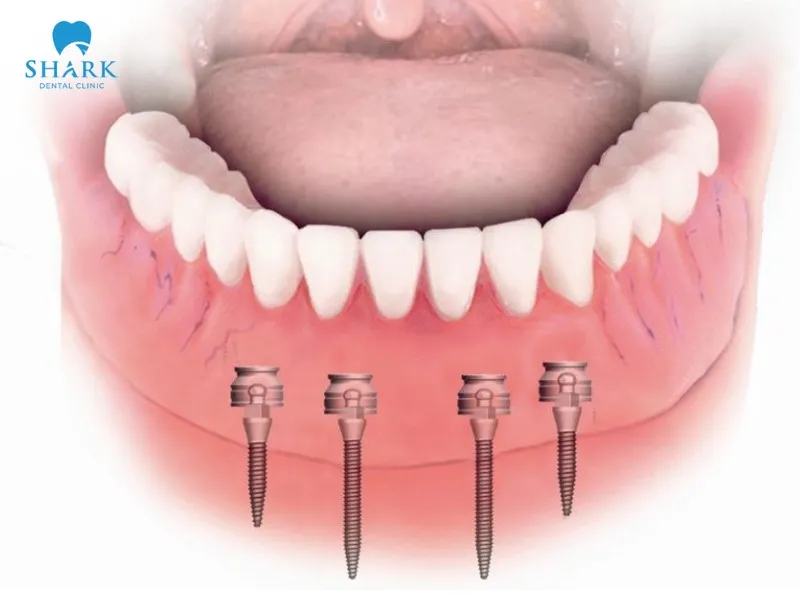
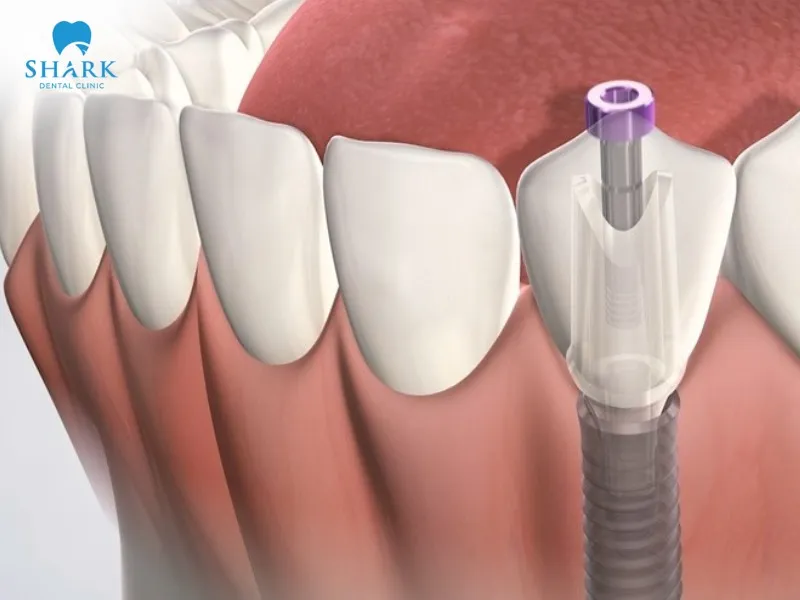
Mini dental implants are a tooth replacement solution that utilizes small-diameter implant posts to restore both chewing function and dental aesthetics. These mini implant posts typically measure about 1.8 to 3.3 mm in diameter and 10 to 15 mm in length. Functioning as a slimmer alternative to the traditional titanium dental implant, they are often designed as screwless dental implants where the ball-shaped head and the post are a single solid unit. This structure makes them well-suited for patients with small jawbones or for those who wear removable dentures.
Dentists may recommend mini dental implants for specific cases, including:
- Patients who have experienced long-term tooth loss coupled with reduced jawbone density and limited bone anchorage.
- Elderly patients or individuals with weaker oral health whose jawbones cannot support conventional implants.
- Patients who would otherwise require bone grafting before receiving implants; mini implants may serve as a more appropriate option for them.
- Patients needing tooth restoration in areas that do not experience heavy biting forces, such as the front teeth or narrow gaps between teeth.
Advantages and limitations of mini implants
Mini dental implants represent a modern restorative approach that delivers effective results while ensuring safety and affordability. However, like any dental solution, they come with both advantages and limitations.
Advantages
- The procedure for placing mini dental implants is relatively simple, requires less time, and causes minimal pain or discomfort during treatment.
- Mini implants do not necessitate deep surgical intervention into the jawbone, which helps minimize trauma and speed up healing. This makes them especially suitable for elderly patients or those with compromised health.
- After the placement of mini dental implants, patients can quickly return to normal eating and daily activities.
- Despite their smaller size, mini implant posts are highly stable and durable.
- They offer a high success rate while optimizing costs in comparison to conventional dental implant methods.
The mini dental implants cost can vary significantly depending on the treatment plan, materials used, and clinic location—especially when considering dental implant cost in Vietnam.
Limitations
- Due to their smaller size, mini dental implants are not ideal for key tooth positions that experience significant chewing forces, as they may not provide adequate long-term stability.
- Their lifespan is generally shorter than that of standard dental implants.
How long do mini dental implants last?
In general, mini dental implants can last between 10 to 15 years, and in some cases, even longer or permanently. Once placed, the implant integrates with the jawbone, creating stable, long-term support similar to that of natural teeth. This strong foundation is the best assurance for those wondering “how long do dental implants last” as it enables patients to comfortably eat, speak, and live normally after treatment.
However, certain conditions such as poor oral hygiene, inadequate care, excessive biting forces, or infection may lead to implant failure or rejection. Maintaining proper oral hygiene and following professional dental care instructions are crucial for extending the lifespan of mini dental implants.
How painful are mini implants?
Mini dental implants are generally not painful. Before the procedure, the dentist evaluates the case and administers local anesthesia to eliminate pain and sensitivity during the implant placement. After the anesthesia wears off, patients may experience mild discomfort, but this typically subsides completely within a few days.

What is the procedure for getting mini dental implants?
The procedure for obtaining mini dental implants is relatively straightforward. However, it is essential to follow each step and technique meticulously to achieve optimal restorative results.
- Step 1: A comprehensive oral health examination is conducted, including clinical evaluation and X-ray imaging, to identify existing dental issues. Based on this assessment, the dentist develops an appropriate treatment plan and mini dental implant placement strategy to ensure the success of the overall dental implant procedure.
- Step 2: The oral cavity is thoroughly cleaned to remove food debris and residual bacteria. Local anesthesia is then administered at an appropriate dosage to ensure patient comfort during the procedure.
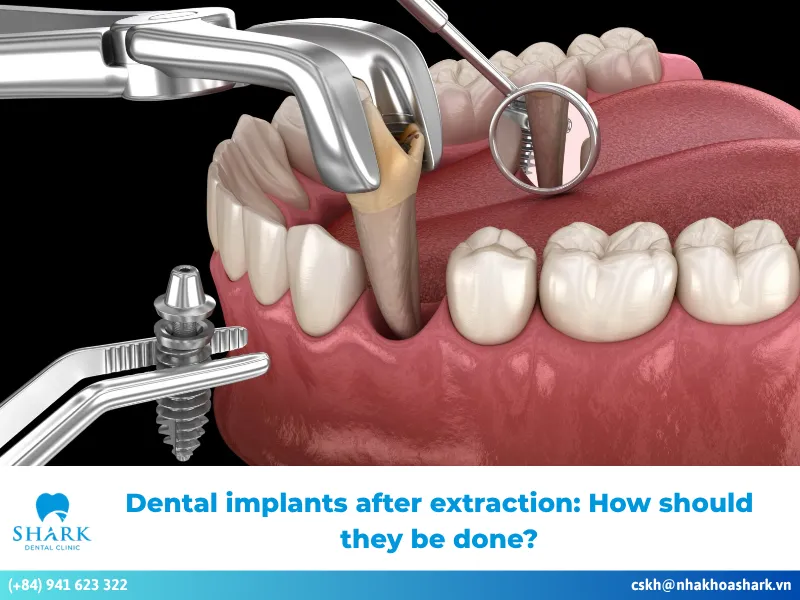
- Step 3: The dentist proceeds with placing the mini dental implant according to the treatment plan, carefully positioning the implant post to ensure rapid integration while avoiding damage to the surrounding soft tissues.
- Step 4: Once the implant is placed, a follow-up X-ray is taken to evaluate healing progress and implant stability. If any abnormalities are detected, the dentist will provide timely intervention.
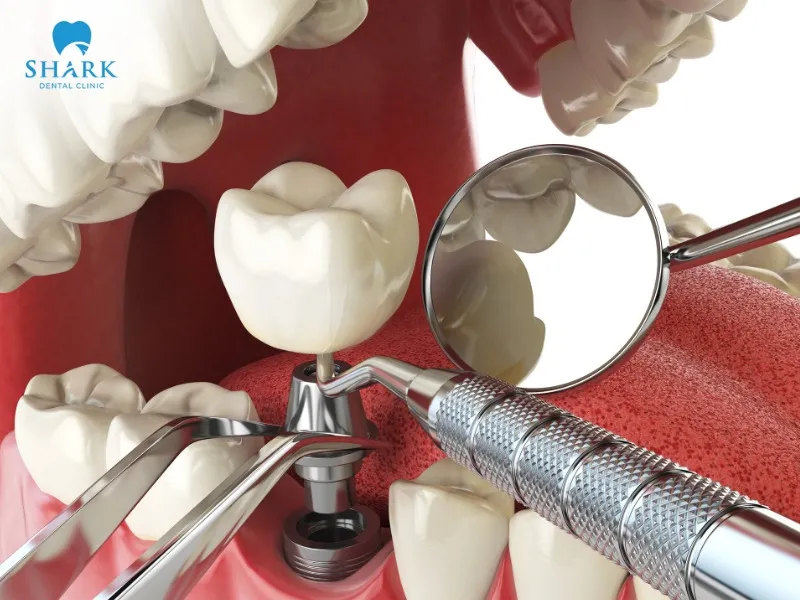
- Step 5: After approximately 3–6 months, when the mini dental implant has fully integrated with the jawbone, a dental crown is attached to the implant post, completing the tooth restoration process.
Mini dental implants are a modern solution for restoring both chewing function and dental aesthetics. It is advisable for patients to choose a reputable dental clinic that adheres to proper protocols for ensuring oral health safety.

Before and after considerations for treatment
In addition to understanding mini dental implants, patients should be aware of the following considerations before and after treatment:
- Avoid brushing too vigorously at the implant site. Use a soft-bristled toothbrush and clean gently on the outer tooth surfaces to prevent injury to the soft tissue and bleeding.
- Refrain from consuming strong stimulants such as alcohol, tobacco, and coffee, as these can interfere with healing and irritate the gums.
- Once the wound has healed, patients may return to light eating, focusing on soft, easy-to-chew, and easily digestible foods such as porridge, soup, and broth.
- Avoid spicy, heavily seasoned, or hot foods during the initial post-treatment period.
- Eliminate harmful habits such as teeth grinding or nail-biting, which can negatively affect implant stability.
- Attend regular follow-up visits at the dental clinic or schedule check-ups every 3 to 6 months to detect and prevent any abnormalities after dental implant placement.

Common types and variations of mini dental implants
There are several common approaches to mini dental implants based on the patient’s specific oral condition:
- Single-tooth mini dental implant: This option is suitable for patients with one or more non-adjacent missing teeth. Each missing tooth is replaced with a mini dental implant, topped with a dental crown to restore function and aesthetics.
- Implant-supported dental bridge: For patients missing adjacent teeth, an implant-supported bridge may be considered. The dentist places two mini dental implants in the outer positions and attaches a dental bridge to replace the missing teeth.
- Full-arch implant restoration: In certain cases, the dentist may place 4 to 6 mini dental implants into the jawbone to support a full-arch restoration, utilizing a variation of the all-on-X dental implant technique. This technique requires advanced expertise and equipment and should be performed at a reputable dental clinic with modern technological support.
Long-term outlook and durability
Mini dental implants, like other dental implants, are known for their durability and longevity compared to traditional removable dentures. The average lifespan of dental implants can reach up to 25 years or even a lifetime, given that patients maintain proper oral hygiene and adhere to professional care instructions.
Choosing a dental implant in vietnam can ensure you receive high-quality care.
This overview has provided comprehensive information on mini dental implants, including their advantages and limitations, the procedure involved, and their long-term outlook. Equipped with this knowledge, patients can make informed decisions about choosing mini dental implants to restore a strong, healthy, and confident smile.