

Wisdom teeth removal is a relatively simple and commonly performed dental procedure, indicated in certain cases such as impacted wisdom teeth, misaligned eruption, or infection. However, many people experience bad breath after wisdom teeth removal. So, what causes this condition, and how can it be improved? The following article will provide you with detailed answers.
Causes of bad breath after wisdom teeth removal
Several common factors can contribute to bad breath following the removal of wisdom teeth:
- Exposed gums: After the extraction, the dentist typically sutures the wound. However, if the suturing is not performed properly and the gums remain exposed, food debris can become trapped, leading to unpleasant odors.
- Poor oral hygiene: Many individuals experience bad breath after wisdom tooth removal due to inadequate oral hygiene practices. If brushing is infrequent, bacteria and food particles can accumulate around the tooth socket and between teeth, decomposing and causing foul odors.

- Dry mouth: A common temporary issue, dry mouth results in reduced saliva production, which creates an environment favorable for bacteria to multiply, ultimately leading to bad breath.
- Bleeding at the extraction site: Some patients may notice bleeding after the procedure. Blood that accumulates in the mouth can produce a foul odor if not properly cleaned.
- Dry socket: Also known as alveolar osteitis, dry socket occurs when the socket becomes dry after the extraction. This condition can develop strong, unpleasant odors due to the lack of oral secretions.
- Pain relievers: In some cases, the pain medications prescribed after the extraction can cause dry mouth. This promotes the overgrowth of bacteria, resulting in bad breath.
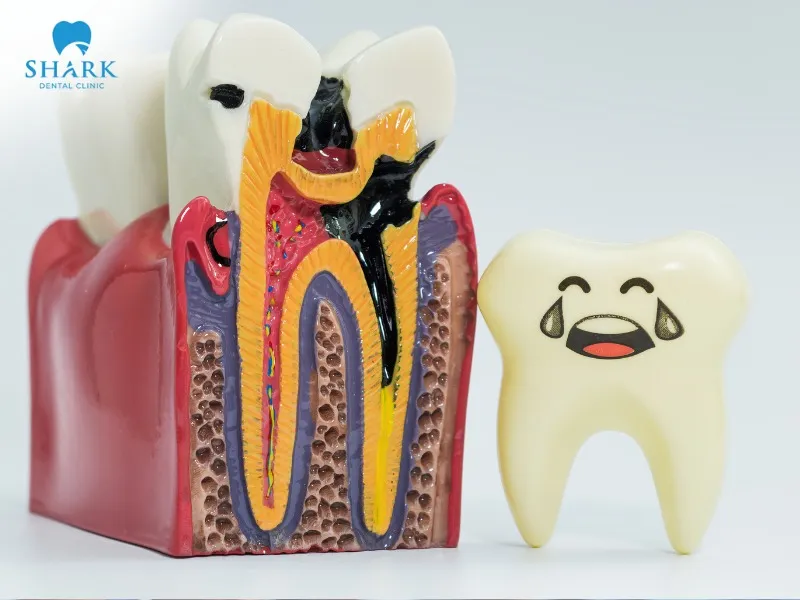
- Oral diseases: Impacted or misaligned wisdom teeth can exert pressure on adjacent teeth, increasing the risk of dental issues such as gum inflammation or tooth decay. If left untreated, these conditions can create an environment conducive to bacteria and bad breath.
- Systemic conditions: Additionally, bad breath may indicate underlying systemic diseases, including diabetes, sinusitis, gastritis, or intestinal inflammation.

How to get rid of bad breath after wisdom teeth removal?
To effectively combat bad breath after wisdom teeth removal, consider the following measures:
Oral hygiene care
- Proper tooth brushing: Maintain a routine of brushing your teeth 2–3 times daily with fluoride toothpaste.
- Mouth rinsing: Rinse your mouth regularly with diluted salt water or a specialized antiseptic mouthwash. Gargling helps remove food debris, provides antibacterial benefits, and significantly improves bad breath.
- Clean your tongue thoroughly: It’s important to remove plaque buildup on your tongue since it is a common place for bacteria to thrive. Use a tongue scraper or your toothbrush to clean your tongue daily.
- Drink plenty of water: Staying hydrated helps cleanse the mouth and reduce food residue buildup. Drinking at least 2 liters of water per day also stimulates saliva production, which can help alleviate dry mouth and improve bad breath.
- Use dental floss: Food particles trapped between your teeth can lead to bad breath. Use dental floss or a water flosser to remove leftover food debris and plaque effectively.

Methods to improve bad breath
- Chew sugar-free gum: One effective way to freshen breath is by chewing gum. It stimulates saliva production and helps neutralize food odors after meals.
- Use breath freshening sprays: Mint-based oral sprays can effectively reduce unpleasant odors, especially after wisdom tooth removal. Use them 2-3 times per day until the bad breath subsides.
- Drink ginger tea: Ginger possesses strong antibacterial properties. Drinking ginger tea daily can help relieve gastric symptoms, cleanse your mouth, and reduce bad breath.
- Eat yogurt: Rich in beneficial probiotics, yogurt can inhibit the formation of hydrogen sulfide, improving unpleasant mouth odors.
- Use apple cider vinegar: The acidic properties and mild fragrance of apple cider vinegar can help disinfect and reduce inflammation. Rinse your mouth with diluted apple cider vinegar 3-4 times per week to help manage bad breath.

What to do to avoid bad breath after wisdom teeth removal?
Bad breath after wisdom teeth removal is not dangerous but can impact your confidence during everyday interactions. To help prevent this issue, follow these guidelines after your wisdom tooth extraction:
- Follow your dentist’s instructions: It is essential to take any prescribed medications, such as Amoxicillin after tooth extraction, exactly as directed by your dentist. Do not alter the dosage or stop taking the medication without completing the entire course.
- Maintain proper oral care: To minimize bad breath, gently brush your teeth 2-3 times per day. Use an alcohol-free mouthwash and dental floss to enhance your oral hygiene.
- Avoid smoking: Refrain from smoking for at least 7-10 days following your wisdom tooth extraction. Tobacco smoke can dry out the tooth socket, delay healing, and increase the risk of bad breath.
- Maintain a balanced diet: After your procedure, eat a nutritious and balanced diet. Limit foods that have strong odors and heavy spices to help prevent bad breath.
- Limit stimulants: To address the common question “Can i drink alcohol after tooth extraction?”, it is advised to avoid alcohol, as well as tea and coffee, to prevent unpleasant mouth odors after your wisdom tooth extraction.
- Avoid touching the extraction site: For the first week after the surgery, do not touch the extraction area with your fingers, tongue, or any sharp objects. This helps reduce bacterial growth in the socket and prevents bad breath.
- Schedule follow-up visits: Make sure to visit a reputable dental clinic for routine checkups every 3-6 months. These follow-up visits allow your dentist to assess your oral health, detect any abnormalities early, and provide timely treatment to minimize potential dental complications.
If you are looking for professional follow-up care or extraction services, many patients choose tooth extraction in Ho Chi Minh City due to the availability of experienced dentists and modern clinics.

The causes and solutions for bad breath after wisdom teeth removal have been detailed above. We hope this information helps you better understand this condition and learn how to care for your oral health properly, especially after having your wisdom teeth extracted at a dental clinic.