

A tooth filling is an effective solution to treat cavities and chipped or damaged teeth. Along with proper oral care, building a scientific and appropriate diet also plays an important role in helping the filling stabilize and last longer. So, what to eat after tooth filling to ensure optimal results? Let’s explore the details together with Shark Dental Clinic in the article below!
Can i eat after a white filling?
Yes, you can eat after a tooth filling, but it depends on your specific situation. If the filling procedure is done without local anesthesia, you can eat almost immediately after the treatment is completed. However, if local anesthesia is used, it’s best to wait until the numbness wears off before eating. This helps prevent accidentally biting your lips or cheeks and avoids putting unnecessary pressure on the new filling.
There’s no need to worry, though. Most dental clinics today use modern technology and fast-setting filling materials that bond firmly to the tooth. As a result, you can return to eating normally relatively soon while ensuring the filling remains durable and stable.
How long after fillings should you eat?
According to dental specialists, you should generally wait about 1–2 hours for the filling to stabilize and adhere securely to the tooth. However, the wait time varies depending on the technology used and the location of the treatment, such as an exposed tooth root filling, which may require extra care during the initial bonding phase. The specific material also plays a major role:
- Amalgam: This traditional silver tooth filling hardens slowly. Patients are advised to avoid eating for about 24 hours to ensure proper stability.
- Composite: The composite tooth filling is the most commonly used material today. It hardens quickly under a curing light , but it’s still recommended to wait around 2 hours before eating.
- Ceramic: Ceramic fillings harden very quickly, allowing you to eat almost immediately after the filling procedure.
>>> See more: How long after filling can I eat?
What to eat after tooth filling?
After the procedure, it’s important to choose appropriate foods to reduce tooth sensitivity after a filling and protect the newly filled area. Here are some suggestions for soft foods to eat:
Soft and semi-liquid foods
In the first few days after a filling, prioritize foods that are soft and semi-liquid, such as porridge, soup, broth, or well-cooked cereals. These options minimize pressure on the filled tooth, helping it bond better and reducing the risk of dislodgment. Cutting food into small, bite-sized pieces can also make chewing easier and lower the risk of damaging the filling.

Soft, well-cooked vegetables
Vegetables are rich in essential vitamins and minerals. However, after a filling, choose soft vegetables that have been well-cooked or boiled until tender. Avoid tough, crunchy, or fibrous vegetables such as celery, cabbage, or raw carrots, as they can be difficult to chew and may negatively affect the filling.
Mild fruits that are easy to chew and low in seeds
When deciding what to eat after tooth filling, opt for mild, easy-to-chew fruits that are low in seeds, such as bananas or papaya. These can be cut into small pieces or blended into smoothies to make eating easier. Avoid biting directly on the filled tooth to reduce pressure on the treated area. Additionally, limit acidic fruits like oranges, lemons, or grapefruits, as their high acidity can affect oral pH levels and potentially reduce the longevity of the filling.
Dairy products
While dairy products like milk, cheese, yogurt, and cream are rich in calcium—an essential mineral for maintaining oral health—it’s important to know what foods to avoid after getting a filling to ensure proper recovery.

>>> See more: How long does a tooth filling take?
Foods to avoid after a filling?
After receiving a tooth filling, it’s important to know which soft foods are safe to eat, but it’s equally crucial to be aware of foods you should limit or avoid. Here are some foods that patients should steer clear of after a filling:
- Hard or chewy foods: Items like chicken, beef tendons, or tough meat require significant chewing force. This can lead to cracking or be the reason a tooth filling fell out, which reduces its effectiveness.
- Sugary foods: Sugar promotes bacterial growth, which can lead to tooth decay. If oral hygiene isn’t thorough after consuming sweets, bacteria can produce acids that erode enamel, increasing the risk of cavities.
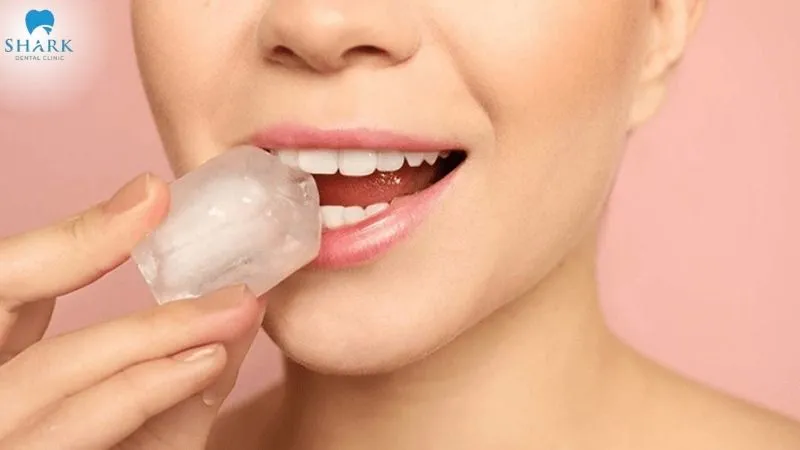
- Extremely hot or cold foods: Temperature extremes can affect the durability of the filling material. This increases the risk of cracks or chipping and shortens the lifespan of the filling.
- Stimulants: Consuming alcohol, beer, or tobacco can stain fillings, particularly composite ones. These substances can also irritate the gums and diminish the aesthetic appearance of the filling.
- Dark-colored foods and drinks: Foods and beverages like coffee, cola, or dark sauces can discolor composite fillings, negatively affecting the appearance of your restored tooth.
Tips for eating after fillings
In addition to knowing what to avoid, being mindful of how you eat after receiving a filling can help shorten your recovery and minimize potential risks. Here are some practical tips:
- Chew gently and carefully: Avoid putting too much pressure on the newly filled tooth. Eating slowly can help reduce discomfort and allow the filling to stabilize.
- Maintain a slow eating pace: Eating slowly decreases pressure on the filled tooth and minimizes sensitivity or discomfort after the treatment.
- Chew with your mouth closed: This habit can reduce sensitivity by limiting the exposed tooth’s contact with cold air, especially if the tooth is still tender.
- Chew on the opposite side if possible: This will reduce direct pressure on the filled tooth and help the filling set more securely.

By following these guidelines from Shark Dental Clinic regarding what to eat after tooth filling, we hope to provide you with helpful information for a smooth recovery. If you have further questions about filling procedures or post-treatment care, feel free to contact Shark Dental Clinic at hotline (+84) 941 623 322 for prompt, professional advice and support.
>>> See more: how much do fillings cost in vietnam