


Children often enjoy sweet foods and may neglect proper oral hygiene, which makes their primary teeth more prone to infection and reduced. A baby root canal is sometimes essential in severe cases to help preserve a child’s natural teeth. So, when should a baby root canal be done, and what is the cost? Let’s explore these questions in detail in the following article!
When is a baby root canal recommended?
Everyone experiences two sets of teeth: Primary (baby) teeth and permanent teeth. While the average number of root canals by age typically increases as permanent teeth mature, baby teeth are uniquely vulnerable. They typically erupt between 6 and 30 months of age, resulting in a total of 20 teeth. These teeth are relatively delicate and can easily wear down, decay, or become infected if daily care and oral hygiene are inadequate.
Young children are particularly at risk for damage to their baby teeth due to excessive consumption of sugary foods, injuries, and poor oral hygiene, which create opportunities for bacteria to thrive and cause disease. Below are circumstances under which dentists recommend considering a baby root canal for a child:
- Extensive tooth decay: Tooth decay is a common issue among children. When decay reaches the pulp chamber but the tooth structure is not severely compromised, a baby root canal should be performed as soon as possible. This early intervention reduces the risk of infection and helps preserve the natural tooth.
- Pulp inflammation: If the pulp of a baby tooth is infected for an extended period, it can become acutely inflamed or develop chronic pulpitis. In such cases, parents should take their children to reputable dental clinics for early treatment, which may include a baby root canal, to prevent complications such as pulp necrosis, loosened teeth, or tooth loss.
In summary, based on the degree of pulp inflammation or tooth decay, dentists will carefully examine the child and provide recommendations to protect oral health while ensuring safety and preventing complications.
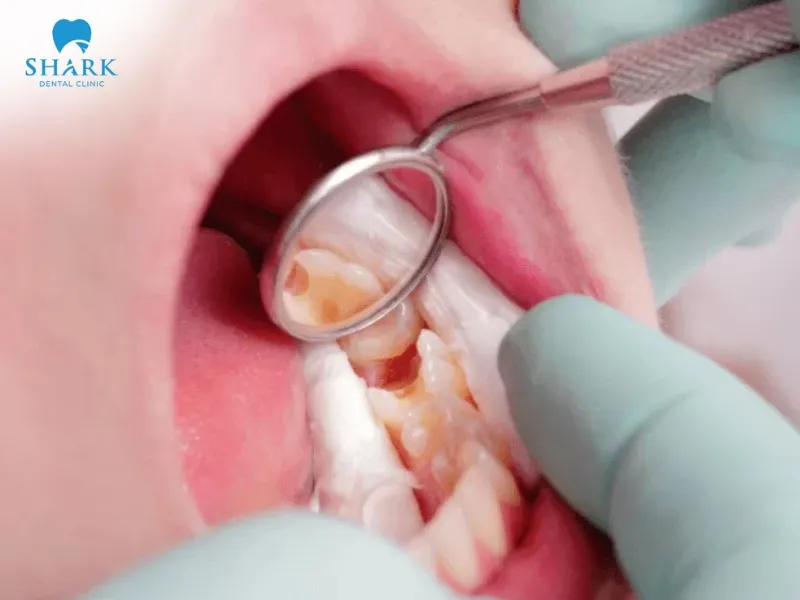
What happens during the baby root canal procedure?
A baby root canal is a necessary and urgent treatment that helps children prevent widespread infection and preserve their natural teeth. However, if the procedure is performed incorrectly or by an inexperienced dentist, it may lead to several risks, including:
- Numbness or tingling: After a baby root canal, some children may experience numbness in the treated area. This is typically a side effect of anesthesia and usually subsides quickly, without posing a risk to oral health.
- Incomplete hardening of the filling material: Within 24 hours after a baby root canal, the filling material may not fully harden. This can make eating difficult and increase the risk of the filling breaking or bacteria re-infecting the tooth.
- Tooth pain: Many children may experience toothache, irritability, loss of appetite, or reluctance to eat after the procedure. These issues can arise from incomplete cleaning of the pulp canal or minor injury to surrounding soft tissue. If the pain persists, parents should take their child to a reputable dental clinic promptly.
- Swelling of the cheeks: The pulp chamber is connected to numerous blood vessels and nerves. After the procedure, swelling on both cheeks may occur, making eating and daily activities challenging. Parents can apply cool compresses to help reduce swelling and discomfort.
- Re-infection: If the pulp canal is not properly filled or the child’s oral hygiene is lacking, bacteria and food particles can become trapped, leading to re-infection. This is a leading cause of secondary infections and may result in dental abscesses if not treated in time.
To ensure the safety and oral health of children, parents should carefully choose a reputable dental clinic for treatment. High-quality clinics equipped with modern technology and skilled dentists perform baby root canal procedures safely and effectively, often resulting in better outcomes.

How much does a baby root canal cost?
At reputable dental clinics, the cost of a baby root canal for children ranges from approximately 1,200,000 to 1,300,000 VND per tooth. This price includes examination, oral check-up, pulp removal, and filling of the pulp canal. Please note that this is a reference price and may vary between clinics.
Additionally, the cost of a baby root canal can depend on several factors:
- Actual oral condition: Some children may have severe gum inflammation, tooth decay, or advanced periodontal disease that must be treated before the root canal procedure. Therefore, the total cost may include treatment for existing oral conditions.
- Quality of equipment and machinery: Root canal treatment requires modern dental equipment for effective pulp removal. Clinics with more advanced machinery often ensure better results but may charge higher fees compared to traditional methods.
- Dentist’s expertise: Although root canal treatment is common and widely available, procedures performed by highly skilled dentists with extensive experience are more precise and minimize errors during treatment. However, treatment by highly experienced dentists may cost more than that performed by less experienced practitioners.
Parents should take the time to research and choose a reputable dental clinic based on their child’s oral condition and the family’s financial situation. Trusted clinics usually provide transparent treatment pricing, helping parents feel secure throughout the baby root canal process.

What’s the alternative to a baby root canal?
Depending on the severity of the pulp infection, a dentist will decide whether a baby root canal is necessary or if alternative treatments are more suitable. These alternatives include:
- Indirect pulp capping: If the pulp is not severely infected, the dentist will clean the decayed dentin and place a protective lining, such as calcium hydroxide, to prevent further damage to the pulp.
- Direct pulp capping: If the pulp is exposed but its function is not severely compromised, the dentist may perform direct pulp capping using biocompatible materials. This material covers the exposed pulp and helps reduce the risk of infection.
- Pulp chamber removal: If the upper portion of the pulp is inflamed but the root pulp remains healthy, the dentist may remove only the pulp chamber. They will clean out the inflamed pulp and fill the canal to protect the remaining healthy pulp.

A baby root canal is recommended when the pulp is severely infected or its function is compromised. This article aims to help parents understand baby root canal treatment, how to care for children’s teeth, and how to address pulp inflammation, ensuring that children grow up with strong, healthy, and well-aligned teeth.
>>> See more: Root canal treatment in Vietnam