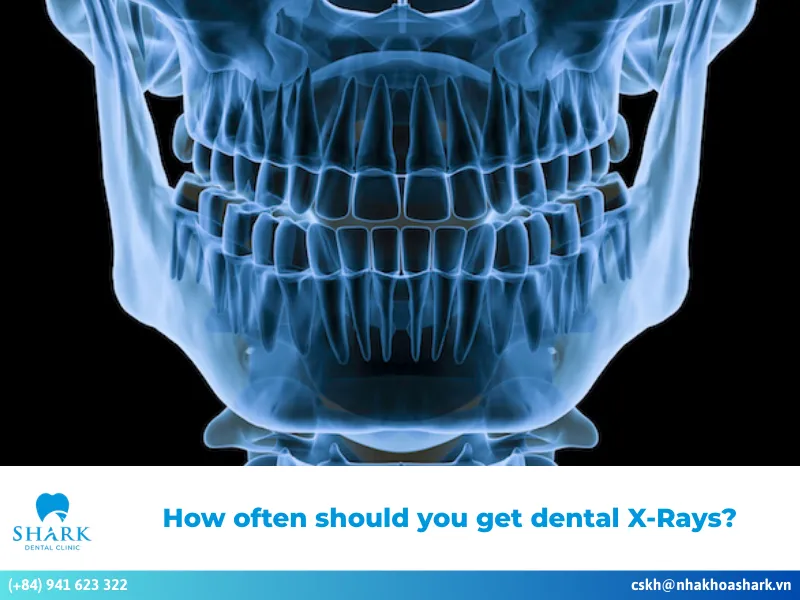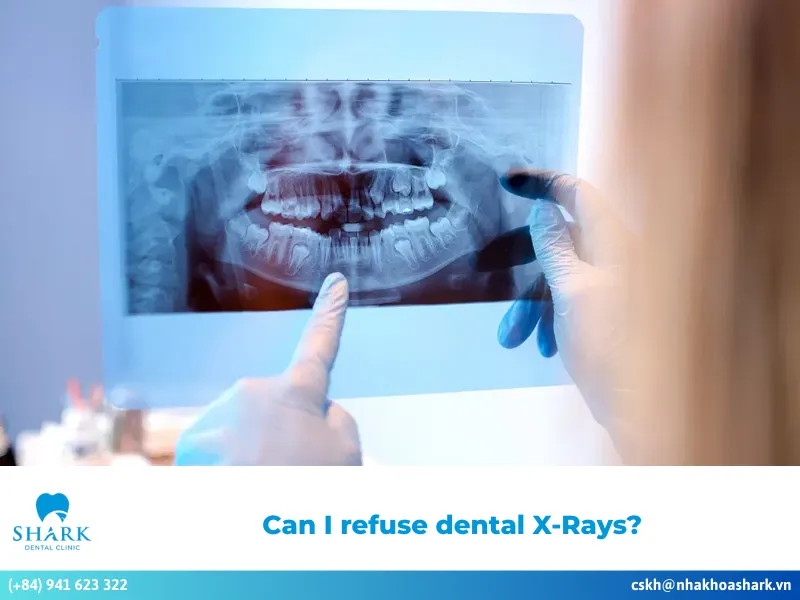



Dental X-rays are a necessary diagnostic tool that helps dentists closely monitor tooth development in young children while enabling early detection of abnormal oral conditions. So, when should a child’s dental X-ray be taken, how often is it needed, and what benefits does it offer? The following article will help you clearly understand these concerns.
When do children need dental X-Rays?
Dental X-rays for children are typically prescribed by dentists in specific situations. Common reasons for X-ray use include:
- Dental cavities: Interproximal cavities in young children are often hard to see, so a pediatric dental X-ray is necessary to assess the extent of decay and plan appropriate treatment.
- Monitoring tooth eruption: X-rays help track how teeth are developing, determine if they are erupting correctly, and detect any impacted or misaligned teeth early.
- Checking tooth buds: Children with congenitally missing tooth buds or extra teeth in the jawbone require X-rays for early detection and timely intervention.
- Facial trauma: If a child suffers facial injuries that may affect their teeth or jaw, X-rays are needed to evaluate the severity of the damage.
- Detecting oral diseases: X-rays are also indicated when abnormal signs appear, helping diagnose serious conditions like cysts, infections, or other oral pathologies at an early stage.
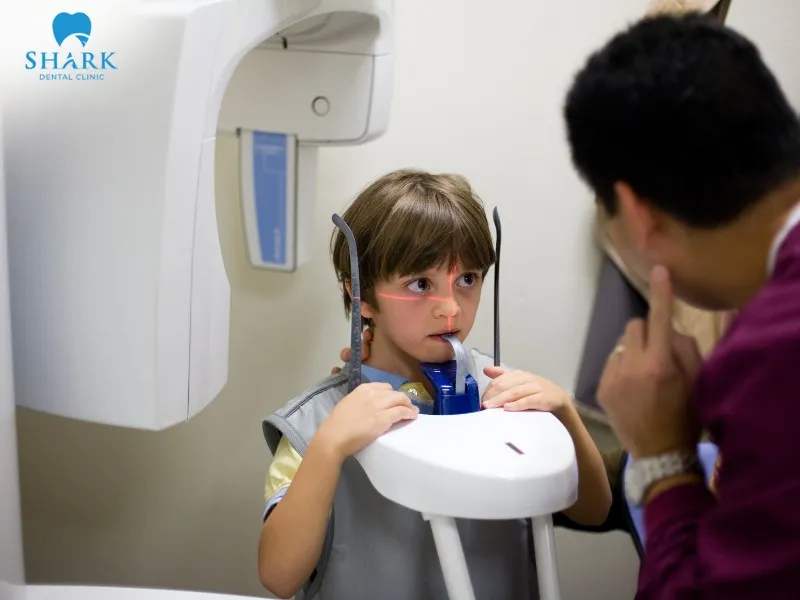
The main types of child’s dental X-Ray
Several types of dental X-ray imaging are commonly used in modern dental clinics:
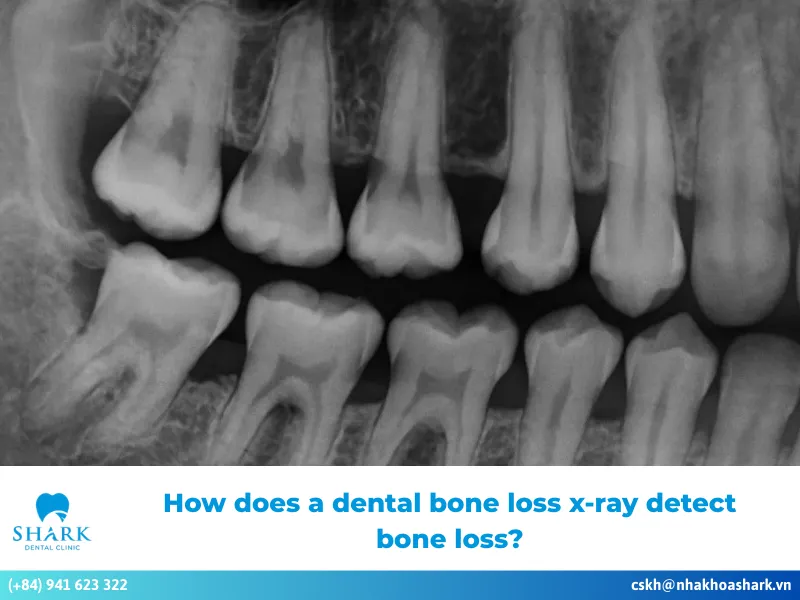
- Bitewing X-rays: These are among the most frequently used methods for a dental cavity X-ray, allowing dentists to evaluate chewing surfaces and the spaces between teeth, making early cavity detection more effective.
- Periapical X-rays: This type of X-ray focuses on the entire tooth, from crown to root, and is often used to assess pulp infections or damage following trauma.
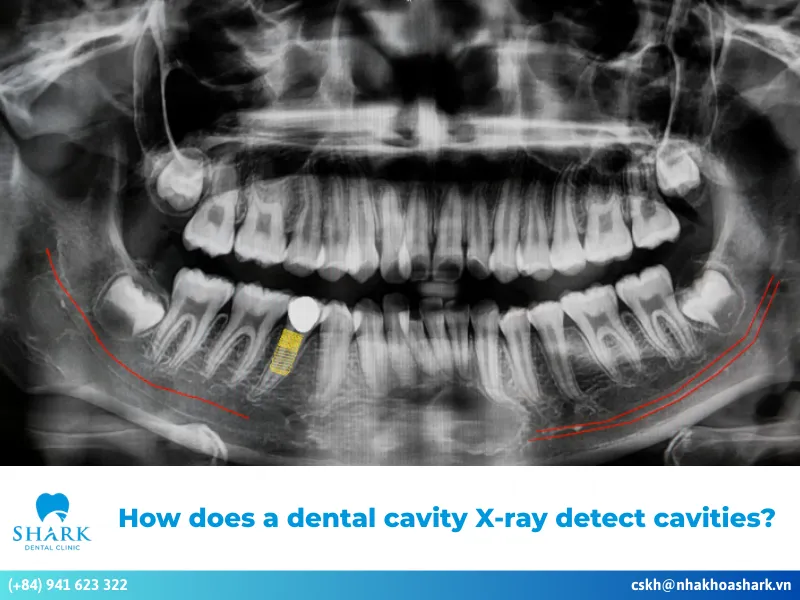
- Panoramic X-rays: A panoramic dental X-ray provides a comprehensive view of both jaws and the temporomandibular joints, helping dentists evaluate overall tooth development.
- Lateral cephalometric X-rays: Commonly used in orthodontics, especially for braces, this type reveals facial bone structure and growth direction, supporting accurate orthodontic treatment planning.

Are child’s dental X-Rays safe?
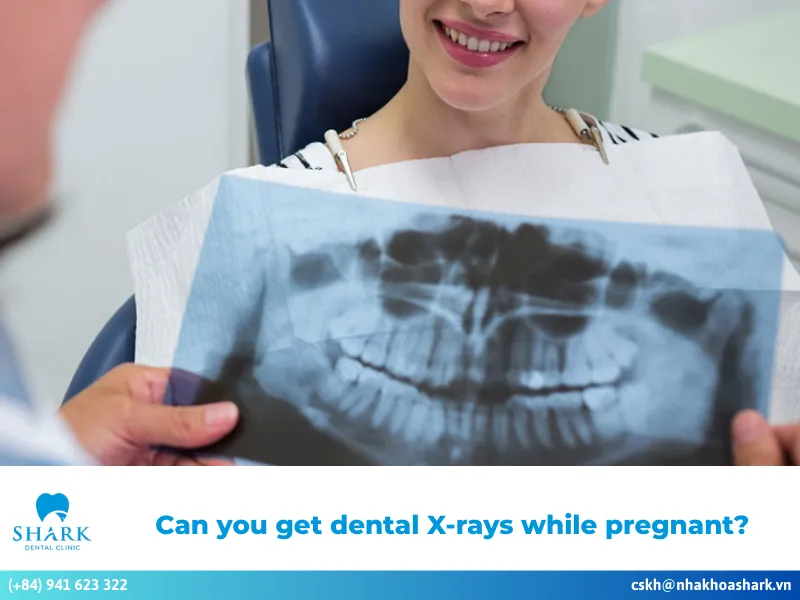
For parents wondering, “are dental X-rays safe?”, the answer is yes; children’s dental X-rays are considered highly safe. They use very low doses of radiation and are taken infrequently. With modern dental technology, protective lead aprons and thyroid collars are always used to minimize radiation exposure. Parents can feel confident following their dentist’s recommendations, knowing that strict safety measures are in place.
>>> See more: What OSHA standard applies to all medical and dental offices that have X-ray machines?
How often should kids get dental X-Rays?
If you are wondering how often should you get dental X-rays for your child, the frequency of pediatric imaging varies based on individual oral health conditions:
- Healthy children with strong enamel: X-rays every 12 to 24 months are generally sufficient to monitor overall dental health.
- Children at high risk of cavities: Those at higher risk may need X-rays every 6 to 12 months to detect problems early and prevent complications.

Benefits of children’s CBCT dental scans
Cone Beam CT (CBCT) scans for children represent advanced 3D imaging technology in dentistry and offer several significant benefits:
- Accurate detection of impacted teeth: High-resolution 3D images allow dentists to precisely locate impacted teeth and plan safe, effective minor surgical procedures.
- Detailed jawbone assessment: CBCT helps evaluate jawbone density and thickness, essential for diagnosing and managing complex dental conditions.
- Trauma diagnosis: In cases of accidents or significant impacts, 3D CBCT images can reveal bone fractures or temporomandibular joint injuries that may not be visible on standard X-rays.
- Precise treatment planning: With detailed 3D data, dentists can develop accurate and efficient treatment plans while minimizing postoperative risks and complications.
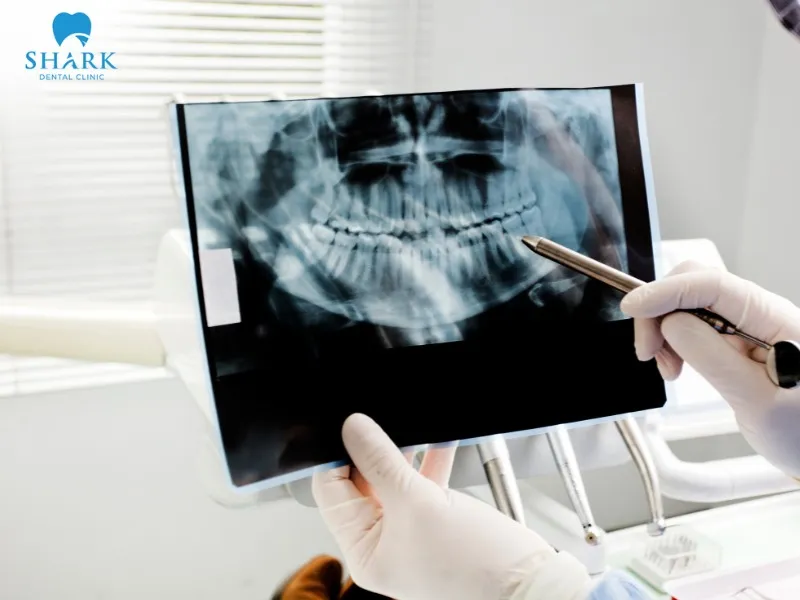
In summary, pediatric dental X-rays play a vital role in diagnosing and evaluating children’s dental structures, enabling dentists to create effective treatment plans. This information should help parents better understand a child’s dental X-Ray and feel confident in making informed decisions to protect their child’s long-term oral health.