

Dental adhesive is a dental material used to bond porcelain restorations to the natural tooth surface. So, which type of dental adhesive for veneers is best, and what criteria should be considered when selecting it? These common concerns will be clearly explained in detail in the article below.
What is dental veneers adhesive?
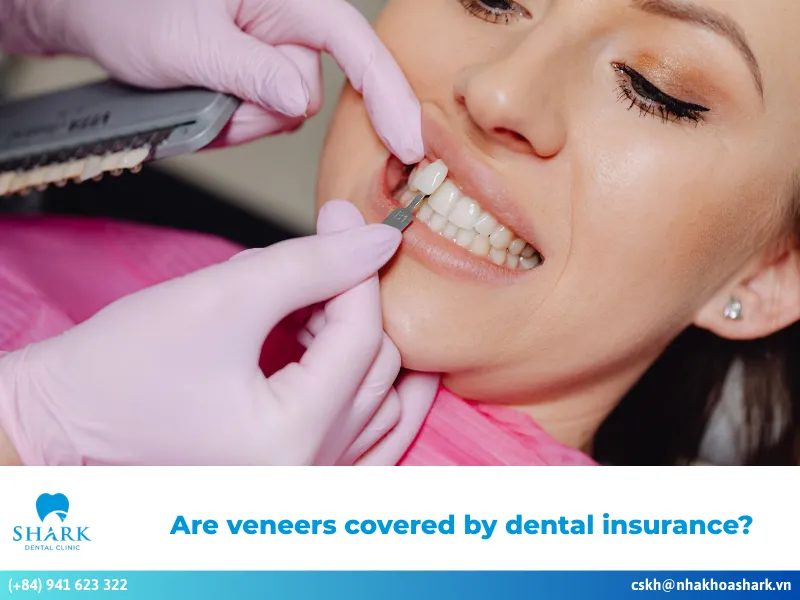
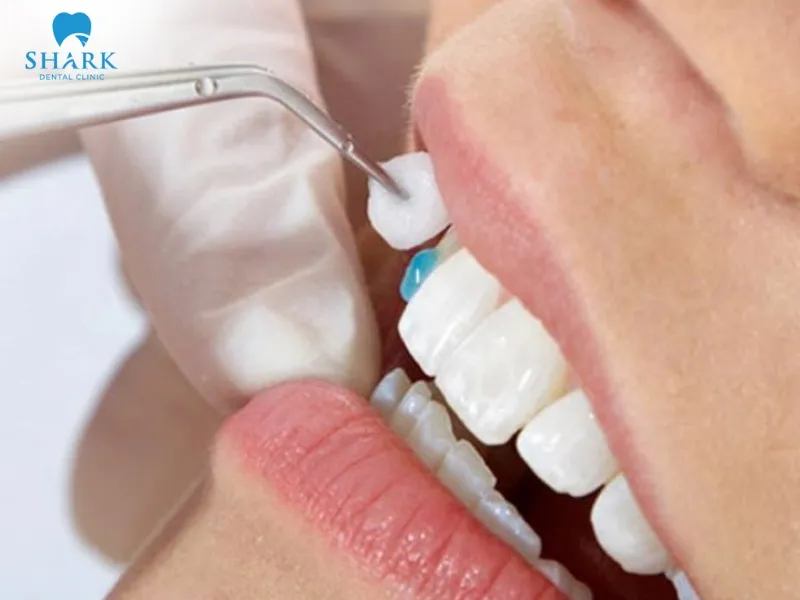
Dental adhesive for veneers is a liquid bonding material that rapidly hardens when exposed to a specialized curing light. This adhesive securely bonds porcelain veneers to the natural tooth surface, ensuring effective restoration and preventing the veneers from displacing during daily use.
A key feature of veneer adhesive is its ultra-thin consistency and availability in various shades. Dentists select the appropriate adhesive based on the specific veneer used to achieve color harmony, which helps the teeth maintain a natural level of translucency and brightness.
Why the choice of glue matters?
In addition to proper veneer bonding techniques, selecting the right dental adhesive for veneers is crucial to achieving successful restoration outcomes:
- Chewing function: High-quality adhesive ensures that veneers are firmly bonded to the tooth surface, minimizing movement and maintaining stable chewing performance.
- Tooth color: Using premium veneer adhesive helps prevent discoloration. Lower-quality adhesives tend to absorb moisture and darken over time, negatively affecting aesthetics.
- Prevention of bad breath: Quality adhesives allow veneers to fit closely against the tooth surface, reducing bacterial buildup and food retention, which are key contributors to oral odor.
- Reduced tooth sensitivity: Biocompatible adhesive materials help minimize sensitivity and discomfort following veneer placement.
Types of dental adhesive for veneers
Based on each patient’s oral condition and treatment needs, dentists recommend the most suitable dental adhesive for veneers, including:
Dental adhesives
Resin-based dental adhesives offer high durability and excellent biocompatibility, making them safe for the oral environment. This type of adhesive is highly regarded for its long-term bonding strength and is widely used in modern dentistry.
Bonding agents
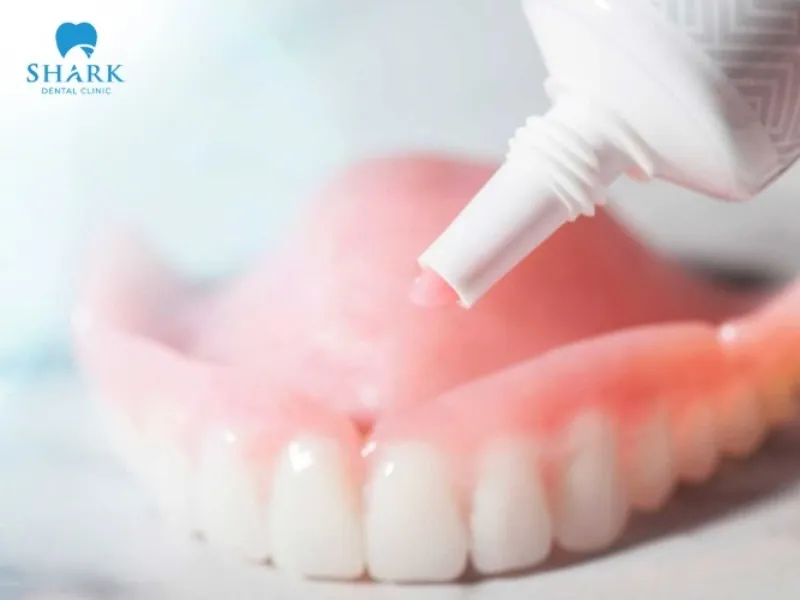
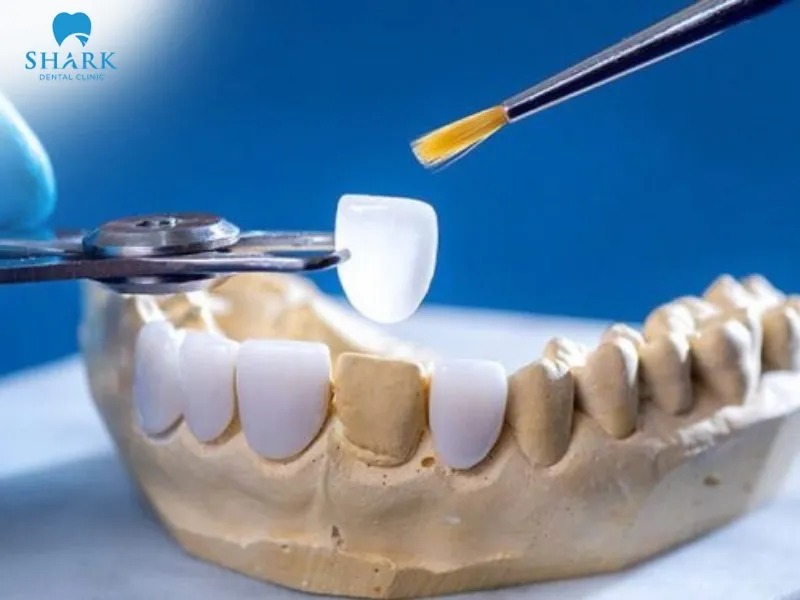
In certain cases, dentists apply a bonding agent layer before adhesive placement to enhance adhesion. This liquid penetrates and seals microscopic pores on the tooth surface that are invisible to the naked eye, thereby increasing the bond strength of porcelain veneers.
Resin cement or bonding agents may be used to secure porcelain veneers
How dentists select the right adhesive?
Selecting the appropriate dental adhesive for veneers is based on several important criteria:
- Tooth color: If natural teeth are severely discolored or stained—such as from antibiotics—adhesives with stronger masking abilities are needed to create a brighter base for the veneers.
- Veneer thickness: For ultra-thin veneers, a minimal adhesive layer with moderate curing strength is sufficient. Thicker veneers require a greater volume of adhesive with stronger bonding capabilities to ensure optimal restoration results.
- Tooth position: Depending on the location of the tooth, dentists choose adhesives with varying shades, thicknesses, and bonding strengths to achieve both functional and aesthetic harmony.
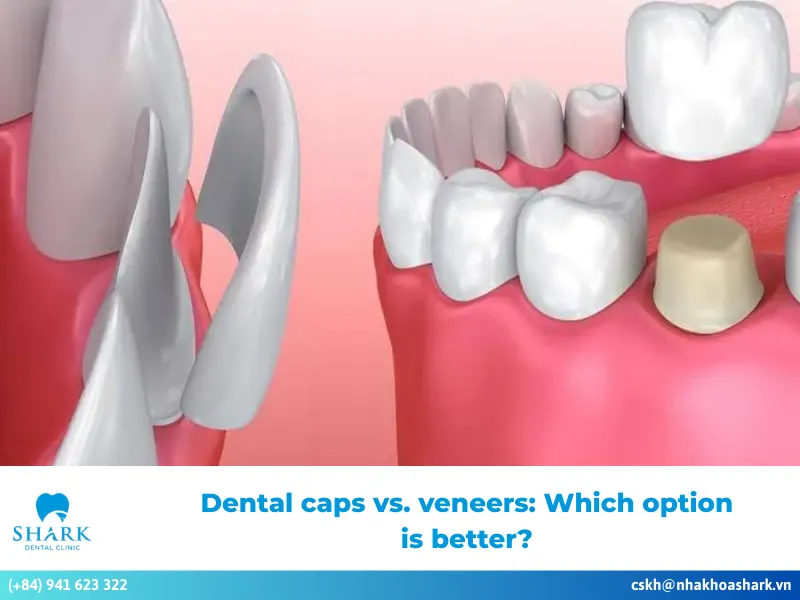
- Dental materials: When evaluating dental caps vs. veneers, the material science remains critical. Based on the type of porcelain—such as Lithium Disilicate or E.max—dentists select adhesives with suitable biological properties to ensure compatibility and longevity.
Can dental crown adhesive be used at home?
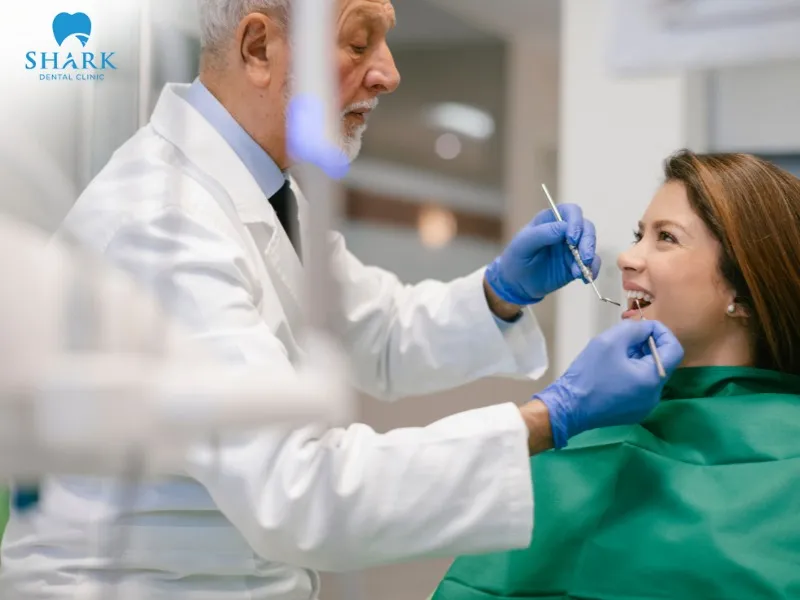
Using dental adhesive for veneers at home is not recommended. Veneer bonding is a permanent procedure that requires advanced expertise, precise technique, and meticulous handling to achieve the best aesthetic results. Visiting a top clinic for dental veneers in Ho Chi Minh City ensures that certified professionals handle these complex bonding steps.
Improper at-home use of dental adhesive poses risks such as tooth damage, soft tissue burns, bite misalignment, and widespread jaw discomfort. Incorrect bonding can also create gaps between the veneers and natural teeth, increasing the risk of tooth decay and oral infections.
To manage costs safely, you can check how much is dental veneer in Vietnam for affordable professional options instead of DIY fixes.
Through this information, readers have gained valuable insights into dental adhesive for veneers, commonly used adhesive types, and key selection criteria. We hope this detailed article has addressed your concerns and provided helpful guidance. Wishing you a beautiful, confident smile with porcelain veneer treatment!