


The use of antibiotics after tooth extraction is considered a necessary indication, playing an important role in controlling the risk of infection. So, should you use Amoxicillin after tooth extraction? How long should you use it, and how can it be used effectively? The following article will provide you with the most accurate answers!
Why did my dentist give me Amoxicillin after tooth extraction?
Amoxicillin is a broad-spectrum antibiotic that belongs to the penicillin group. It is commonly prescribed to treat bacterial infections by preventing bacteria from forming complete cell walls.
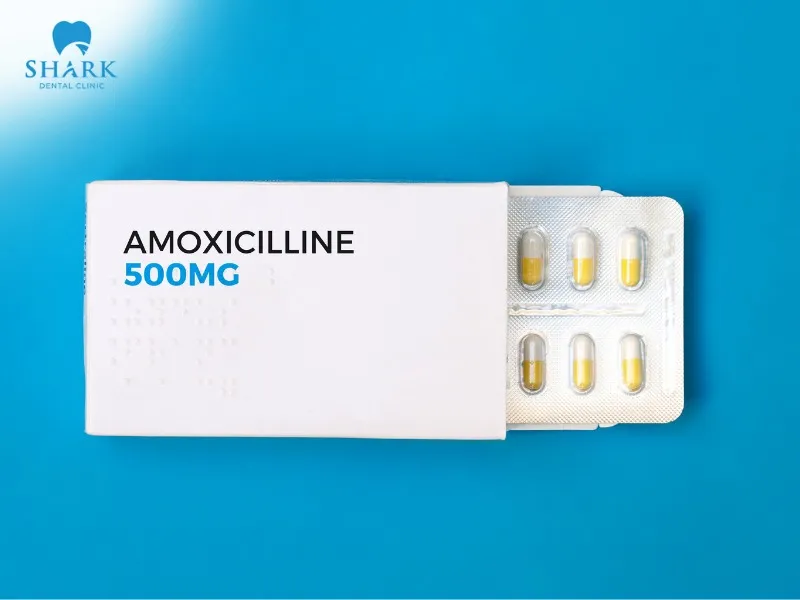
In dentistry, the use of Amoxicillin after tooth extraction is often recommended for several critical reasons:
- Preventing infection: Amoxicillin is a first-choice antibiotic for managing bacterial issues in the oral cavity. After a tooth extraction, the surrounding tissue and bone can be easily damaged and are prone to infection. Using Amoxicillin after tooth extraction helps control potential bacterial contamination and reduces the risk of post-operative complications.
- Ensuring treatment effectiveness: Many patients undergo tooth extraction after evaluating a dead tooth root canal before and after outcome that proved unsuccessful, or alongside treatment for inflamed oral tissues which can weaken the immune system. In these cases, Amoxicillin is a standard part of the post-operative protocol, ensuring patient safety and enhancing the overall effectiveness of the procedure.
- Broad antibacterial spectrum: Amoxicillin is effective against many Gram-positive and some Gram-negative bacteria that cause infections in the mouth. Compared to other antibiotics, Amoxicillin generally has fewer side effects, making it widely used in dentistry.
- Reducing the risk of systemic complications: When used at the correct dosage, Amoxicillin helps limit the risk of serious conditions like sepsis, jawbone infections, and cellulitis, significantly lowering the chance of systemic complications after tooth extraction.
- Indirect pain control: By eliminating bacteria and reducing inflammation, Amoxicillin can help indirectly alleviate dental pain. This is another reason why dentists often prescribe it after tooth extraction.
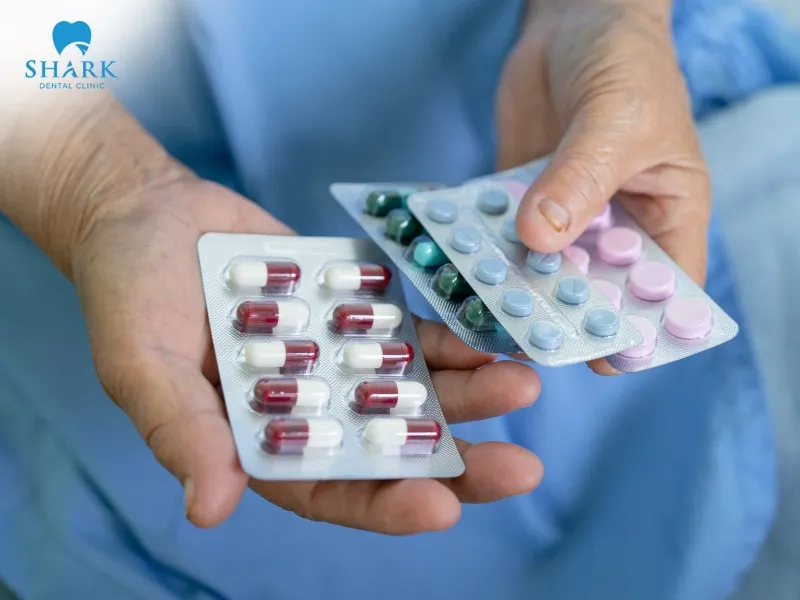
How long after tooth extraction should i take Amoxicillin?
Usually, you should take Amoxicillin for about 5 to 7 days following a tooth extraction, or as directed by your dentist. It is important to follow your dentist’s instructions precisely; do not adjust the dosage on your own, as this can reduce treatment effectiveness and increase the risk of antibiotic resistance.
Within 2 to 3 days after extraction, bacteria may still linger in the tissue around the tooth root. If antibiotics are stopped too early, there is a risk of reinfection, as uncontrolled bacteria can invade and cause infection.
In certain cases, such as fever, gum swelling, widespread infection, or dental abscess, the dentist may prescribe antibiotics for 7 to 10 days. A careful examination of the patient’s health status allows the dentist to make appropriate adjustments to the treatment plan while minimizing potential side effects.

Does Amoxicillin help clean an infected tooth socket?
Amoxicillin is effective in treating an infected tooth socket by eliminating the bacteria responsible for inflammation. However, it cannot fully replace specialized dental procedures, such as removing dead tissue, draining pus, or addressing any bone defects.
Amoxicillin targets most bacterial strains that cause oral infections, helping to reduce swelling and pain while preventing the infection from spreading. When taken at the correct dosage, it can support faster tissue recovery and effective infection control following a tooth extraction.
In cases of widespread infection or tissue necrosis, it is necessary to combine antibiotics with other dental interventions. For these situations, a dentist may need to drain pus and clean the affected tissue to manage the infection thoroughly and minimize the risk of serious oral complications.
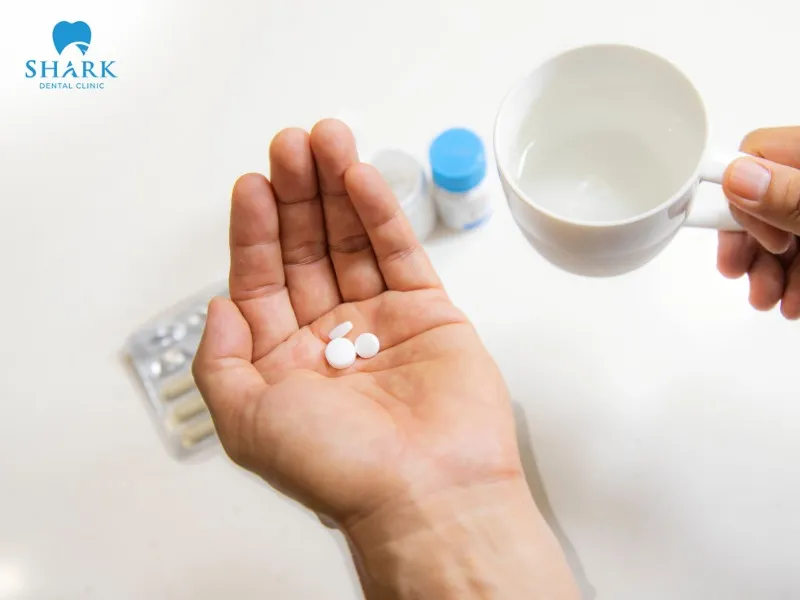
How to take Amoxicillin after tooth extraction
Amoxicillin is a commonly prescribed antibiotic in dentistry. To achieve the best results, it is essential to use it properly:
- Take the correct dose: Amoxicillin is most effective when taken at the proper dosage to maintain antibacterial activity and prevent infections. Stopping the medication too early can lead to reinfection, while prolonged use may result in harmful side effects.
- Take it on schedule: Amoxicillin is typically prescribed at 500 mg every 8 hours or as directed by your dentist. If you miss a dose, take it as soon as you remember. However, never double the dose to make up for a missed one.
- Take after meals: Dentists recommend taking Amoxicillin 10-15 minutes after eating to reduce stomach irritation and improve absorption. Taking it on an empty stomach may cause nausea or digestive discomfort.
- Avoid unapproved combinations: Only take Amoxicillin as prescribed. Do not combine it with other painkillers or anti-inflammatory medications without consulting your dentist, as this may lead to harmful interactions and reduce the effectiveness of the treatment.

- Monitor for side effects: While taking Amoxicillin, be vigilant for signs of allergic reactions, such as swelling, difficulty breathing, hives, or high fever. If any of these occur, stop taking the medication and contact your dentist immediately.
- Limit stimulants and alcohol: If you are asking “Can i drink alcohol after tooth extraction?” during your treatment with Amoxicillin, minimize consumption of drinks that contain stimulants, caffeine, or alcohol, as these may interact with the medication and affect its effectiveness.
- Maintain oral hygiene: Antibiotics like Amoxicillin help eliminate bacteria, but good oral hygiene remains crucial. Brush your teeth at least 2–3 times a day and rinse with warm water to remove plaque and prevent bacterial growth.
- Follow a nutritious diet: Support your recovery by consuming a balanced diet rich in protein, vitamins, and fiber to enhance your overall health and healing.
- Attend follow-up appointments: If pain, swelling, or pus persists for 2–3 days after starting Amoxicillin, contact your dentist. They will evaluate your condition and may recommend additional interventions, such as pus drainage, if necessary.
You may consider seeking tooth extraction in Ho Chi Minh City at a reputable dental clinic to ensure timely follow-up care and appropriate management of complications persist.

Using Amoxicillin after tooth extraction is an important step in controlling infection and supporting the healing process. We hope this guide helps you understand the benefits of post-extraction antibiotics, proper usage, and how to maintain a healthy, strong set of teeth.