
Composite veneers and porcelain veneers are two methods that effectively improve aesthetic imperfections of the teeth. However, many people still hesitate when deciding which option to choose. In the article below, Shark Dental Clinic will help you explore the difference between composite and porcelain veneers so you can select the most suitable solution!
What are composite veneers?
Veneer composites are a cosmetic dental treatment method that involves applying and shaping a layer of composite resin material directly onto the surface of the teeth. Thanks to its strong adhesion to natural tooth enamel, this material effectively improves the color, shape, and overall aesthetic appearance of the teeth. After careful shaping and adjustment by the dentist, the composite layer can provide a more natural look, helping the teeth appear more even and harmonious with the overall facial structure.
Pros of veneer composite
Many people choose Veneer Composites because of their notable advantages:
- Reasonable cost: Composite materials are typically less expensive and do not require complex laboratory fabrication. Because the procedure is performed directly on the tooth surface, the overall treatment cost is often lower compared to many other cosmetic dental techniques.
- Quick procedure: Composite resin hardens when exposed to a specialized dental curing light. This property allows the dentist to complete the shaping and restoration process in a single appointment, saving patients valuable treatment time.
- Ease of repair: If the veneer layer becomes chipped or damaged, the dentist can easily repair or add more composite material without replacing the entire veneer. This flexibility can help reduce both time and costs.
Cons of veneer composite
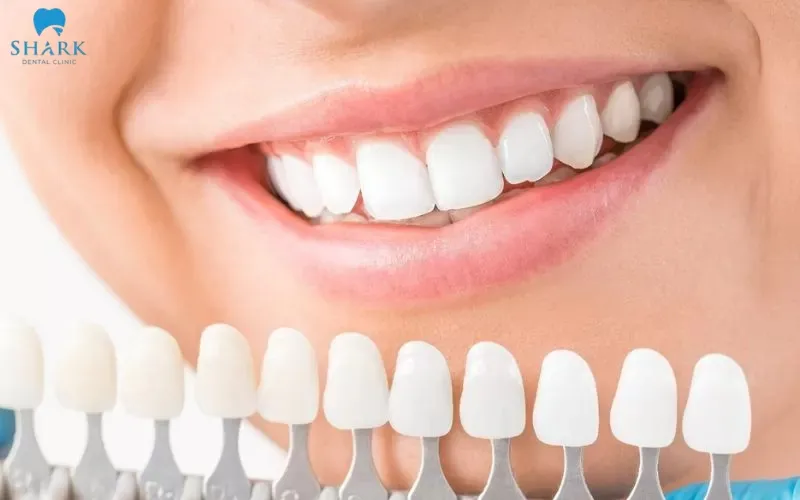
Besides advantages in cost and treatment time, composite veneers still have certain limitations that you should consider when choosing this method, such as:
- Short lifespan: Composite materials can gradually wear down or chip due to daily chewing forces, particularly in front teeth. As a result, the average lifespan of composite veneers is typically around 4 to 8 years, depending on oral habits and care.
- Aesthetic appearance may diminish over time: Composite materials can be affected by pigments from foods and beverages. Without proper oral hygiene and care, the veneer surface may gradually become dull, stained, or slightly yellowish, reducing its original aesthetic quality.
What are porcelain veneers?
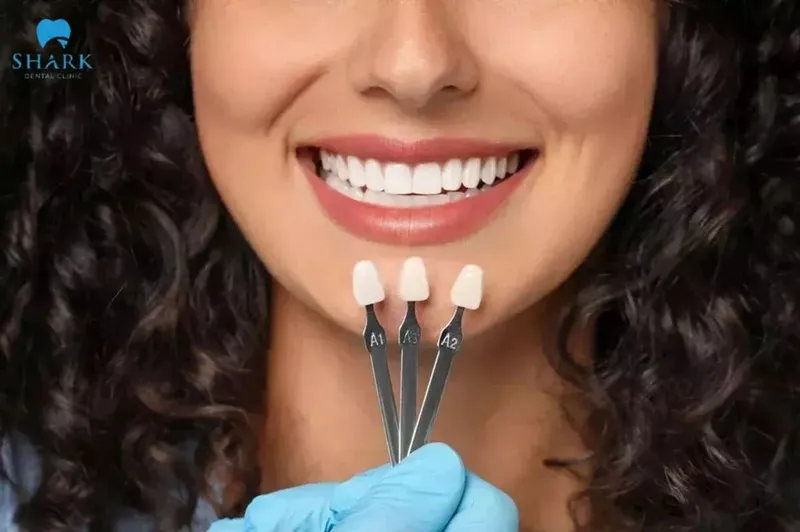
Porcelain veneers are a cosmetic dental technique that involves using an ultra-thin layer of porcelain material to cover the front surface of the teeth. These porcelain layers are fabricated from materials such as E.max, Lithium Disilicate, or Zirconia, which provide good durability and aesthetic quality. With a thickness of only about 0.2 to 0.5 mm, the veneer is securely bonded to the tooth surface with specialized dental adhesive, helping to improve the color, shape, and overall appearance of the teeth.
Pros of porcelain veneers
Porcelain veneers are highly valued in cosmetic dentistry for several reasons:
- Natural appearance: The smooth surface and translucency of porcelain closely resemble natural tooth enamel, creating a harmonious tooth color and providing a bright yet natural-looking smile.
- Color stability: Porcelain has properties that limit staining and reduce pigment absorption. It is less affected by coffee, tea, or other strongly colored foods, maintaining stable color over time.
- Durability and strength: Porcelain veneers are relatively hard and are less likely to wear down with regular use. If you are wondering how long do porcelain veneers last, the good news is that with proper oral care and maintenance, they can maintain both aesthetic results and chewing function for many years.
- Maximum preservation of natural teeth: The veneer procedure usually involves only a very thin layer of the outer surface of the tooth. This approach helps preserve most of the natural tooth structure while improving the overall appearance of the smile.
Cons of porcelain veneers
While the results are stunning, a main limitation for patients is the relatively higher porcelain veneer cost compared with many other cosmetic dental methods. This is mainly because porcelain materials are considered premium dental materials with high durability and strong aesthetic properties.
In addition, the fabrication and placement process requires modern dental technology, professional skills, and several careful technical steps. For this reason, the total treatment cost is usually higher than many other dental restoration options.
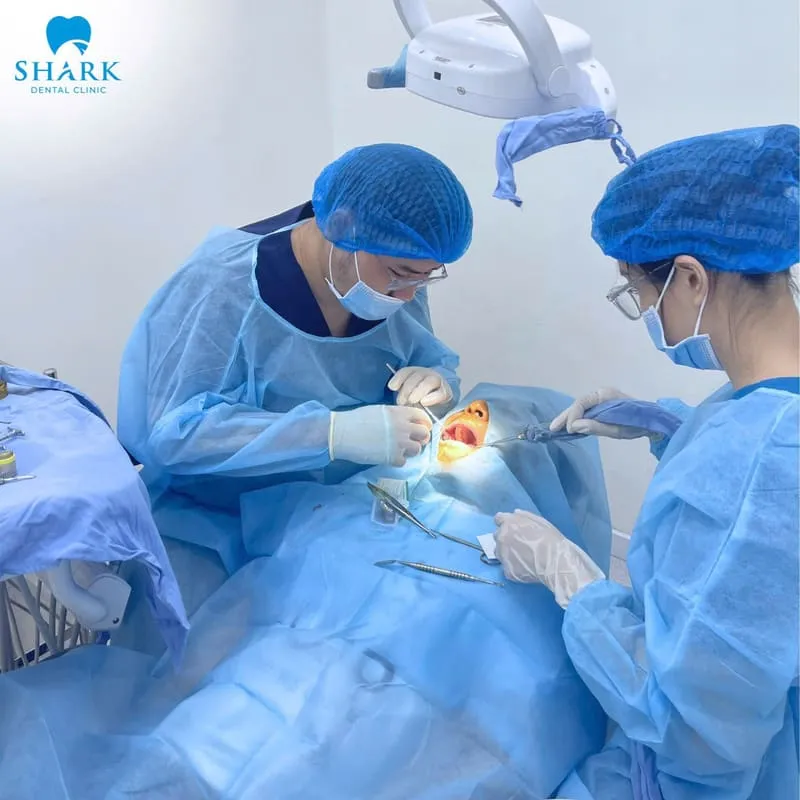
The difference between composite and porcelain veneers
Composite veneers and porcelain veneers are both effective dental solutions for improving various tooth imperfections. However, these two types of veneers differ significantly in terms of materials, application techniques, durability, and overall aesthetic performance. The comparison below clarifies the differences between composite and porcelain veneers, enabling patients to make informed choices about their treatment options.
| COMPARISON CRITERIA | COMPOSITE VENEERS | PORCELAIN VENEER |
| Material | Made from composite resin that closely resembles the color of natural teeth. | Crafted from ultra-thin porcelain, using high-quality dental ceramics. |
| Technique | The dentist applies the material directly to the tooth surface, shaping and polishing it during the same appointment. | The veneer is custom-designed and fabricated in a dental laboratory, then permanently bonded to the tooth using specialized dental adhesives. |
| Treatment time | Typically completed in a single appointment, making them ideal for patients seeking quick aesthetic improvements. | Usually requires at least two appointments: one for tooth preparation and impression-taking, and another to place the final veneer. |
| Level of tooth invasion | Often require little to no reduction of tooth structure, helping to preserve natural teeth. | Require the removal of a thin layer of tooth enamel to ensure proper fit and optimal aesthetic results. |
| Aesthetic appearance | Provide visible improvements but may lack the gloss and translucency of natural teeth. | Offer natural translucency, shine, and color, creating a more refined aesthetic result. |
| Durability and lifespan | Generally last around 4 to 8 years, with potential for earlier repair or replacement depending on oral habits. | Can last approximately 10 to 15 years or longer with proper care. |
| Repairability | Can be easily repaired or supplemented if chipped or damaged. | More challenging to repair; damage often necessitates full replacement. |
| Suitable candidates | Best for individuals seeking quick cosmetic enhancement, lower-cost treatment, and minimal intervention on natural teeth. | Ideal for those wanting comprehensive aesthetic improvement with long-term durability and high-quality results. |
| Cost | Typically lower in cost, making them suitable for patients on a budget or those seeking temporary improvements. | Generally more expensive due to premium materials, intricate fabrication processes, and greater durability. |
Porcelain vs Composite veneers: Which are better for you?
Based on the comparison of the difference between composite and porcelain veneers, it can be seen that both methods are effective cosmetic dental solutions that help improve tooth color, shape, and the overall appearance of the smile.
Composite veneers work well for those looking for quick improvements at a lower cost and with minimal impact on natural teeth. On the other hand, porcelain veneers are often preferred by individuals who prioritize long-lasting durability, better stain resistance, and stable aesthetic results over time.
To determine the most suitable option for your specific dental needs, it is advisable to consult with a professional dentist. They can evaluate your oral condition and recommend the best solution to ensure both aesthetic effectiveness and long-term durability.

Hopefully, through this comparison of the difference between composite and porcelain veneers, you now have a clearer understanding of the advantages, limitations, and characteristics of each method in order to make a suitable decision. If you are considering improving your smile with veneers, you can contact Shark Dental Clinic through the hotline 1800 2069 for detailed consultation and quick appointment support.