

Impacted wisdom teeth not only cause persistent pain and discomfort but can also affect the overall structure of the jawbone and surrounding teeth. If they are not removed promptly, impacted wisdom teeth may lead to various oral health problems and complications. So, when should impacted wisdom tooth extraction be performed, and what important things should you keep in mind? Refer to the helpful information shared in the article below!
What is impacted wisdom tooth extraction?
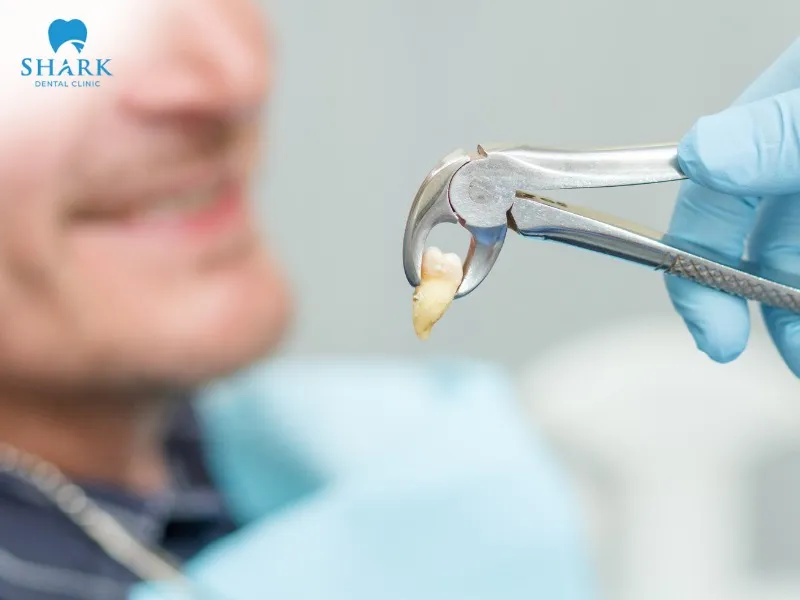
Impacted wisdom tooth extraction is a common dental procedure used to remove wisdom teeth, also known as third molars, that grow in abnormal positions. These teeth may grow horizontally, tilt at an angle, or remain partially or fully trapped under the gums. Such conditions can cause pain, inflammation, infection, and pressure on neighboring teeth.
The goal of removing impacted wisdom teeth is to prevent further complications that could affect oral health. Modern dental extraction techniques are designed to be safe and controlled, effectively removing the tooth while minimizing complications and preventing unwanted shifting of the dental arch.
Types of impacted wisdom teeth
Impacted wisdom teeth can lead to various problems and potentially serious complications. Dentists recognize several types of impacted wisdom teeth. A dental specialist will carefully evaluate the condition through clinical examination and imaging before deciding on the most appropriate treatment approach.
Mesial impacted wisdom tooth
In this scenario, the wisdom tooth grows at an angle of about 45 degrees toward the adjacent tooth. This tilted position can exert pressure on the neighboring tooth, potentially causing pain, tooth decay, and damage to surrounding teeth.
Vertically impacted wisdom tooth
Some wisdom teeth may grow vertically but are unable to fully erupt due to insufficient space in the jaw. Even though the tooth appears upright, the crown might still be partially trapped under the gum. This situation can lead to discomfort, food trapping, bad breath, and an increased risk of tooth decay.
Horizontally impacted wisdom tooth
A horizontally impacted wisdom tooth grows sideways within the jawbone. If left untreated, this condition can be dangerous, potentially leading to the formation of cysts, infections, and damage to the roots of the second molar (tooth number 7).
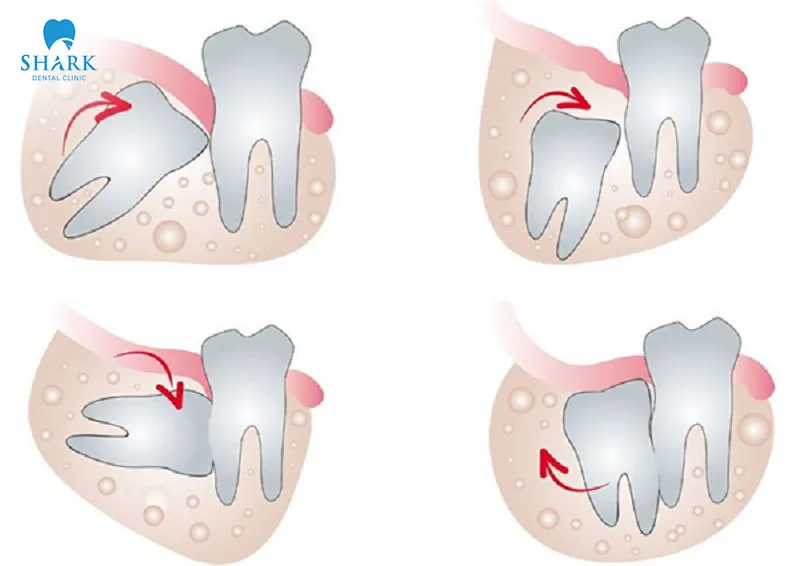
Distally impacted wisdom tooth
Lower wisdom teeth may sometimes become impacted towards the back of the jaw. If these teeth are not removed, they can gradually cause complications that negatively impact oral health and daily activities.
Wisdom teeth impacted in the jawbone
Some wisdom teeth remain completely trapped within the jawbone. This condition often results in gum pain, jaw stiffness, and persistent discomfort that can last for several days.
Symptoms of impacted wisdom teeth
Impacted wisdom teeth are typically easy to identify due to several noticeable symptoms that can affect oral health and daily comfort:
- Prolonged gum swelling: Impacted wisdom teeth often cause persistent swelling and pain in the gums, which can last for several days, making eating and daily activities more challenging.
- Bad breath and bitter taste: A common indication of impacted wisdom teeth is persistent bad breath and an unpleasant taste in the mouth. This usually occurs because swollen gums trap food debris and plaque, creating an environment conducive to bacterial growth.
- Swollen cheeks and lymph nodes: Another frequent symptom is swelling in the cheek area, often accompanied by tenderness around the jaw. In some cases, the lymph nodes under the jaw may also become swollen, indicating infection or inflammation.
- Sore throat and discomfort: An impacted wisdom tooth can create pressure on surrounding tissues and muscles, leading to gum swelling, difficulty opening the mouth, and discomfort while speaking. Additionally, bacteria can spread through saliva, causing throat irritation and reducing overall comfort.
- Fatigue and fever: In some instances, impacted wisdom teeth can lead to systemic symptoms such as fatigue or mild fever due to infection and inflammation in the affected area.
What causes impacted wisdom teeth?
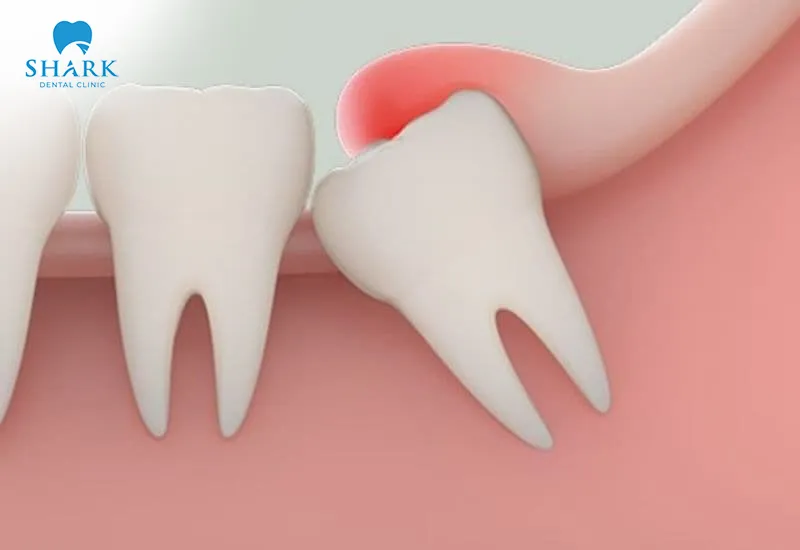
Several factors can lead to wisdom teeth growing in an impacted or misaligned position:
- Lack of space in the jaw: One of the most common reasons for impaction is insufficient space in the dental arch. If the jaw is too small to accommodate additional teeth, wisdom teeth may grow at an angle or become trapped.
- Fully developed jawbone: Wisdom teeth typically erupt later than other teeth. By the time they start to develop, the jawbone structure is usually fully formed and dense, which can obstruct the normal path of eruption and cause crowding.
- Incorrect tooth germ orientation: In some cases, the tooth germ for the wisdom tooth may develop in an incorrect direction from the start. This abnormal orientation can result in misaligned eruption and pressure on adjacent teeth.
- Genetic factors: Genetics can also influence how wisdom teeth grow. Some individuals may inherit jaw structures or tooth development patterns that increase the likelihood of impacted or tilted wisdom teeth.
How are impacted wisdom teeth treated?
Impacted wisdom teeth often lead to long-term pain, discomfort, and potential oral health issues if left untreated. For this reason, dentists frequently recommend extraction to prevent complications.
Since wisdom teeth are located at the back of the dental arch and typically do not play a significant role in chewing, removal is often advised when these teeth grow in an abnormal position. Before the extraction procedure, a dentist will usually take an X-ray to assess the exact position of the tooth.
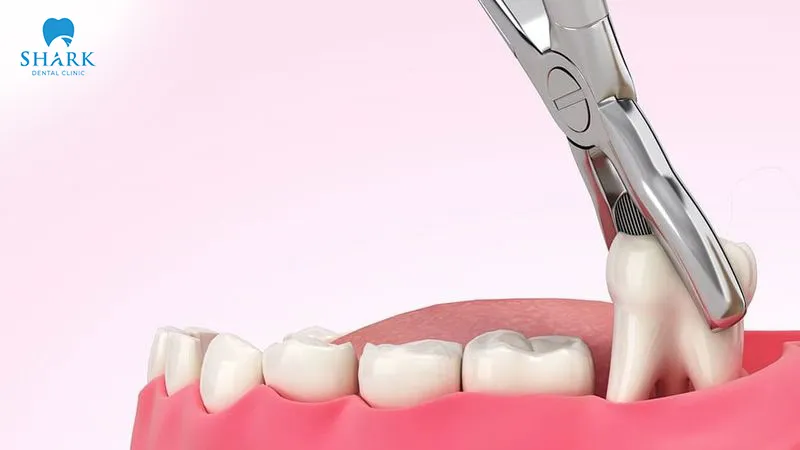
During the extraction, local anesthesia is administered, and the dentist performs the procedure using sterile surgical techniques. The extraction is carried out in a controlled and sterile environment to ensure safety, minimize complications, and reduce discomfort for the patient. The cost of impacted wisdom tooth extraction can vary based on the complexity of the case, the position of the tooth, and the dental clinic where the procedure is performed.
Are impacted teeth more painful to remove?
Impacted wisdom teeth often exert pressure on nearby teeth and surrounding tissues, which can make the condition uncomfortable even before treatment. Dental specialists note that removing an impacted wisdom tooth may cause some discomfort, but modern dental techniques effectively manage pain.
During the extraction procedure, dentists administer anesthesia, so patients typically do not feel pain while the tooth is being removed. After the procedure, mild soreness, swelling after tooth extraction, or occasionally a headache after tooth extraction may occur, but these symptoms can be managed with medication and proper post-treatment care. Following the dentist’s instructions closely will help reduce discomfort and support a smoother recovery process after the extraction of an impacted wisdom tooth.
What are the risks and complications of wisdom teeth removal?
If impacted wisdom tooth extraction is not performed correctly or is done at an unreliable dental clinic, certain complications can arise, negatively affecting oral health:
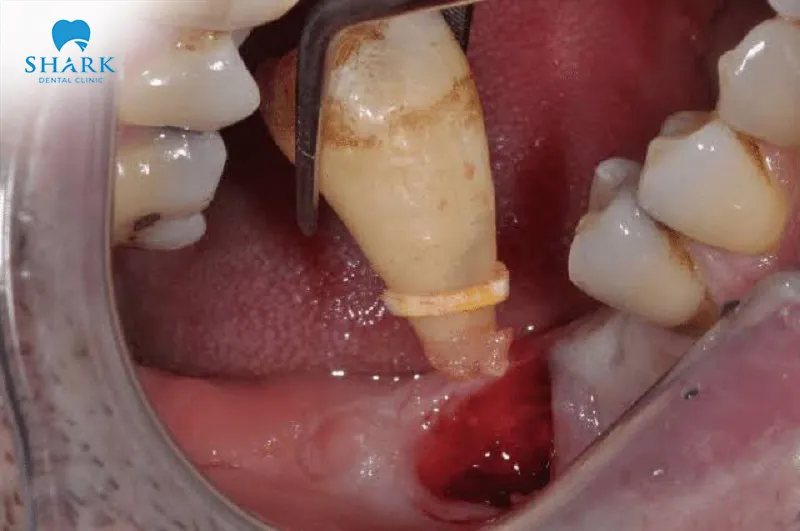
- Prolonged bleeding: If the extraction procedure is not performed properly, bleeding may persist for an extended period. Normally, bleeding should stop within about one to two hours after the procedure. If bleeding continues for many hours or even several days, patients should seek professional dental care immediately.
- Infection: After a wisdom tooth removal, maintaining proper oral hygiene is essential. In some cases, an infection may occur at the extraction site, leading to swelling, pain, or discharge, which are clear signs of infection after tooth extraction. This is often related to inadequate post-operative care or improper surgical technique.
- Nerve damage: In rare situations, incorrect extraction techniques may affect nearby nerves, potentially causing numbness or loss of sensation in the jaw, lips, or surrounding areas. This complication can lead to prolonged discomfort and should be evaluated by a dental professional if symptoms occur.
How long does it take to recover from impacted wisdom tooth extraction removal?
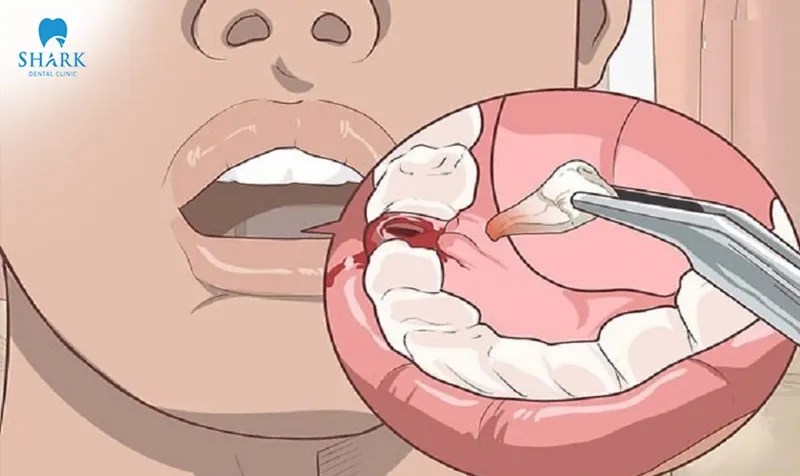
The recovery time after impacted wisdom tooth extraction generally ranges from about 7 to 14 days. However, the exact healing period may vary based on the patient’s physical condition, the complexity of the extraction procedure, and how well post-treatment care instructions are followed.
Typical stages of recovery after wisdom tooth removal include:
- First 24 hours: As the anesthesia wears off, some swelling and discomfort may appear. This is a normal response of the body. Applying a cold compress during the first 24 hours, as recommended by the dentist, can help reduce swelling and promote healing.
- 2-3 days after extraction: The surgical area begins to stabilize, and swelling and pain typically start to decrease. During this time, patients should eat soft foods, speak gently, and avoid exerting strong pressure on the extraction site.
- 1-2 weeks after extraction: The gums continue to heal, gradually closing over the extraction site. If stitches were used, they may be removed during this stage. Pain after the procedure usually decreases significantly, but patients should still refrain from chewing directly on the affected area.
- 3-4 weeks after extraction: The wound becomes more stable, allowing patients to gradually return to normal eating and daily activities. However, it remains important to avoid excessive pressure on the area where the tooth was removed.
What happens if you don’t remove impacted wisdom teeth?
If impacted wisdom teeth are not removed in time, they can lead to several serious oral health issues and negatively affect daily life.
Persistent pain
When wisdom teeth grow at an angle or remain trapped beneath the gums, they can cause inflammation in the surrounding tissues. This may result in the tooth pressing against adjacent teeth, leading to gum abscesses, swollen cheeks, difficulty breathing, and pain that interferes with eating.
Bad breath
Impacted wisdom teeth are located deep in the mouth, making them difficult to clean. Food particles can easily get trapped in that area, allowing bacteria and plaque to accumulate. Over time, this can lead to gum inflammation, periodontal disease, and persistent bad breath. Even though surgery resolves this underlying issue, patients must practice careful oral hygiene to avoid experiencing bad breath after wisdom teeth removal while the extraction socket heals.
Tooth and jaw misalignment
An impacted wisdom tooth can push against neighboring teeth, causing crowding or shifting of the dental arch. This can affect the alignment of the teeth and disrupt the natural structure of the jaw.

Risk of cysts and bone loss
If left untreated, impacted wisdom teeth can lead to the formation of cysts around the tooth. These cysts can damage surrounding bone and dental tissues, increasing the risk of jawbone deterioration and other serious complications.
Pressure on nerves
Impacted teeth may grow close to important nerves in the jaw. This pressure can result in chronic pain, numbness in the lips or gums, and reduced sensation in certain areas of the jaw over time.
Overall, impacted wisdom teeth can significantly affect both oral health and daily comfort. For this reason, an impacted wisdom tooth extraction is commonly recommended to protect overall dental health and prevent complications.With the information provided by Shark Dental Clinic, patients can better understand the causes, risks, and treatment options for impacted wisdom teeth. If you have any questions or concerns, it is advisable to contact a reputable dental clinic for an examination and personalized consultation.