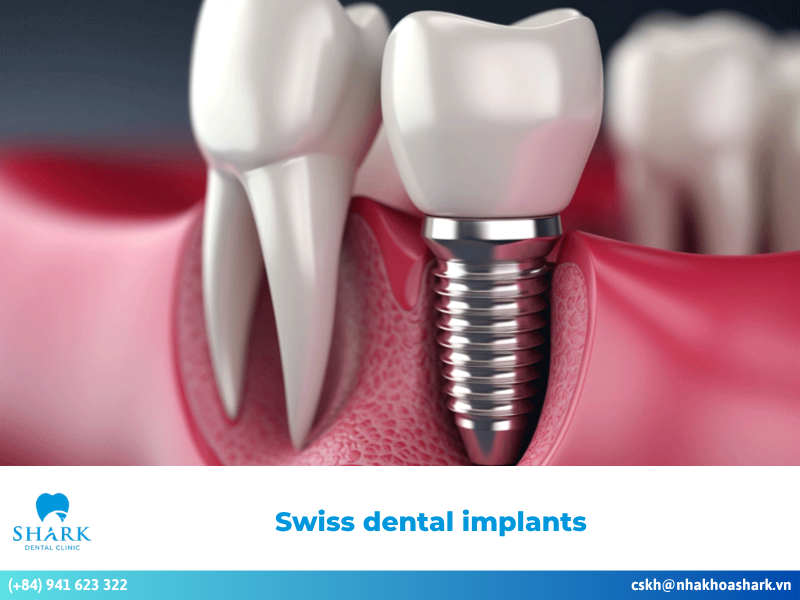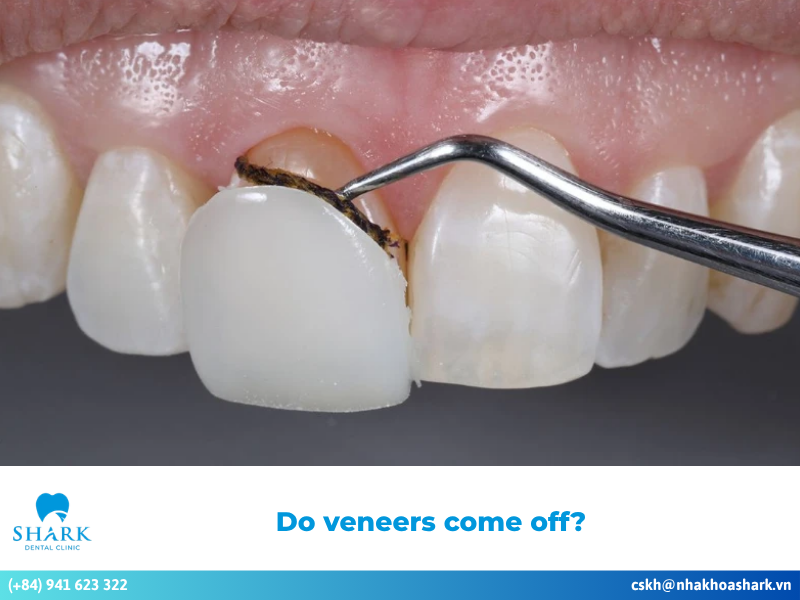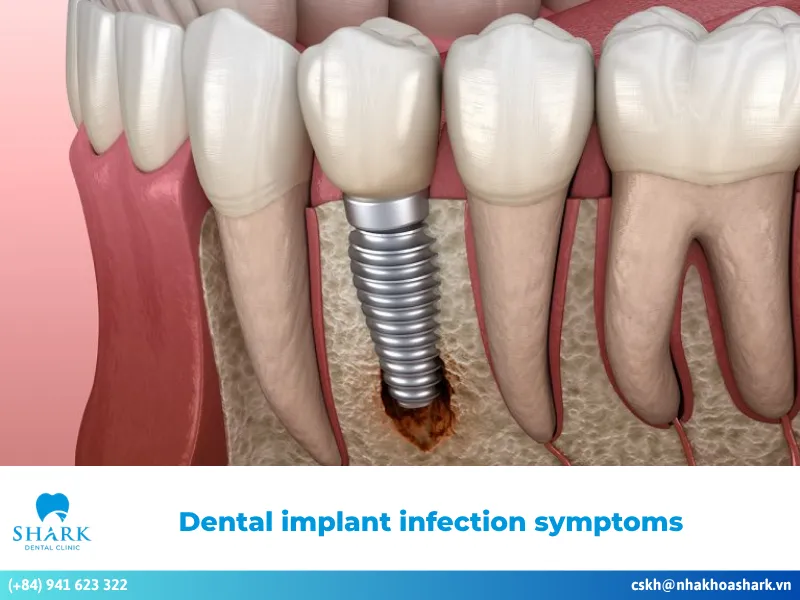

In certain situations, such as accidents or physical trauma, some children may experience tooth loss or severe tooth damage that cannot be restored using conventional methods. In these cases, many parents may immediately consider dental implants as a potential solution for tooth replacement. However, the question remains: Can children get dental implants?, and is this approach truly suitable at a young age? In the article below, Shark Dental Clinic will provide a detailed explanation!
Why do children usually cannot get dental implants?
Many parents wonder, “Can children get dental implants?” In reality, dental implant placement is generally only recommended for males aged 18 and above and females aged 16 and above. Children are usually not suitable candidates for this procedure because their jawbones are still in the process of growth and development, and the bone structure has not yet fully stabilized.
At a young age, many children have not reached sufficient jawbone density or volume to properly support an implant post. If implants are placed too early, the implant may fail to integrate properly, or it may negatively affect the alignment of the bite. For this reason, parents are advised to have their child examined by a dentist and seek professional guidance on safer and more appropriate tooth replacement options.
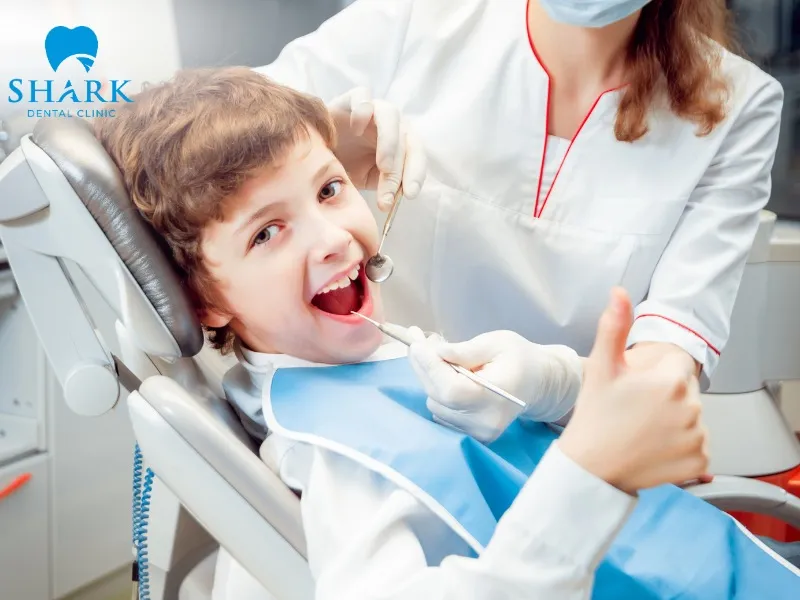
At what age is it safe for a child to get a dental implant?
According to dental professionals, the appropriate age for implant placement is typically from 18 years old and above. However, this timeline can vary depending on individual factors such as oral condition, biological development, and gender.
A dentist will perform a thorough clinical evaluation to determine the most suitable timing—often referred to as the “ideal window”—to proceed with dental implants, ensuring both safety and optimal long-term effectiveness.
Complications of placing implants too early
Placing implants in children too early can lead to several potential complications and long-term issues. Understanding the side effects of dental implants in young patients is crucial, as early placement may interfere with natural jaw development and tooth eruption patterns.
- Implant rejection: If a child’s jawbone is too weak or has not developed sufficient density, the implant post may be rejected after a short period following placement. This can significantly affect dental aesthetics, disrupt the natural bite structure, and reduce chewing function.
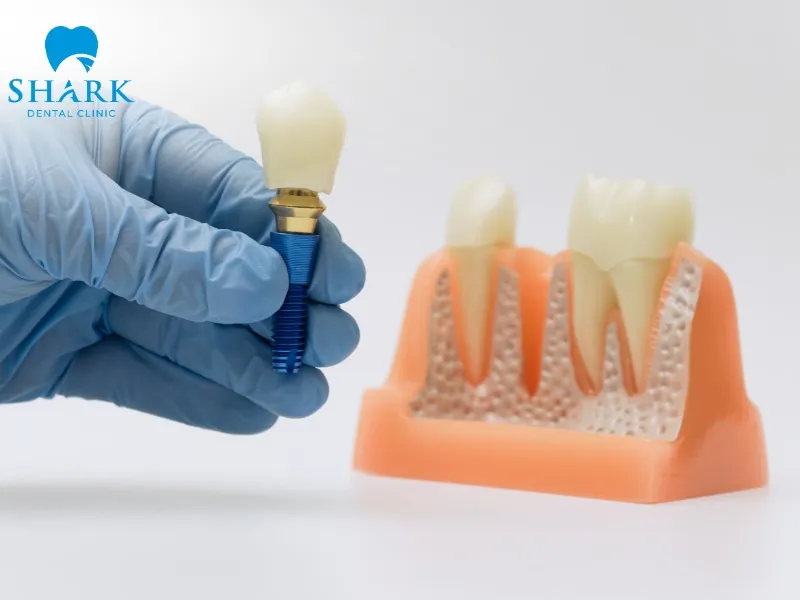
- Interference with jawbone development: In some cases, an implant may “restrict” or interfere with the natural growth process of the jawbone. If this issue is not properly addressed, the child’s facial structure may become imbalanced, while also increasing the risk of oral infections.
- Jawbone resorption: Implants placed before jaw growth is complete may lead to positional discrepancies as the jaw develops, and lead to gum recession. This not only creates favorable conditions for bacterial invasion and infection but also increases the risk of progressive bone loss.
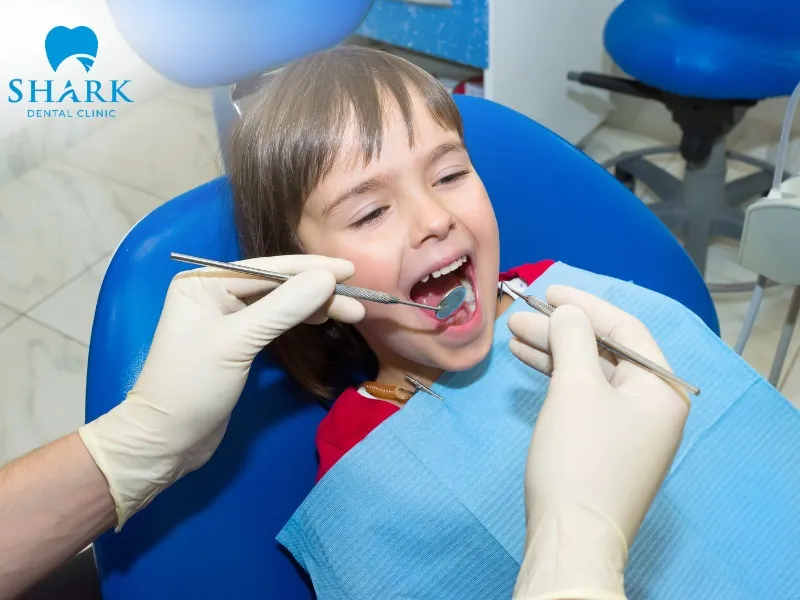
Temporary solutions for missing teeth in children
When a child loses a tooth, instead of immediately considering implants or asking if children get dental implants, parents can explore several temporary and safer alternatives:
- Space maintainers: Children aged 14–16 who experience tooth loss can use space maintainers to prevent adjacent teeth from shifting or tilting into the empty space. These appliances are designed with flexible structures, appropriate sizing for the oral cavity, and can be easily removed when necessary.
- Dental bridges: For anterior teeth where aesthetics are especially important, dentists may consider placing a dental bridge. This method is non-invasive, helps preserve natural tooth structure, and maintains the overall aesthetic appearance of the dental arch.
Depending on each individual case and the child’s specific oral condition, the dentist will recommend suitable and safe restorative options. Therefore, when a child experiences tooth loss, parents should arrange an early dental visit for timely examination and appropriate treatment planning.
Special cases: When early intervention is considered?
There are certain special situations in which early dental restoration may be carefully considered under strict professional supervision:
- Ectodermal dysplasia: In children who are congenitally missing multiple teeth or lack tooth buds, leading to significant difficulties in communication and eating, early dental restoration may be considered. This should only be performed under close monitoring by highly qualified dental specialists.
- Jawbone resorption: In some cases, children who experience trauma or impact may undergo rapid jawbone loss. In such situations, early intervention for tooth restoration may be taken into consideration to help maintain oral structure.
- Psychological impact: Some children may experience significant psychological effects due to tooth loss. In these cases, a thorough examination is necessary, and early restorative solutions may be considered to support the child’s well-being.

Frequently asked questions
What happens if my child loses a tooth due to trauma?
When a child loses a tooth due to trauma, there is a higher risk of infection and progressive jawbone resorption. Therefore, it is best for parents to take the child for an early dental examination at a reputable clinic. At the clinic, the dentist will carefully evaluate the specific dental condition and provide appropriate recommendations for effective and safe management.
Is there a maximum age for dental implants?
In reality, there is no strict maximum age limit for dental implant placement. Dentists will base their decision on factors such as jawbone density and the actual oral condition to recommend the most suitable implant solution for each individual.
Will my child need bone grafting later?
In some cases, such as when jawbone resorption occurs and the bone structure cannot adequately support chewing function, bone grafting may need to be considered once the child meets the necessary conditions. The dentist will conduct a thorough examination and provide appropriate recommendations to ensure both functional effectiveness and aesthetic outcomes.
In summary, the question “Can children get dental implants?” has been clearly addressed through the content above. We hope that the information provided has helped parents better understand this topic, allowing them to make informed decisions and choose the most appropriate dental restoration solutions to support their child in maintaining a healthy oral development.
>>> See more: Dental implants with bone loss