


Dental implants are considered an optimal solution to replace missing teeth, helping restore chewing function and improve dental aesthetics. Besides restoration effectiveness and cost, the treatment duration is also a concern for many people. So, how long does it take for dental implants? Read the article below to find the answer.
How long does it take for dental implants?
The complete dental implant treatment typically takes about 3 to 6 months. This process involves several stages, including an oral examination, implant placement, osseointegration (the integration of the implant with the bone), and final crown placement. At reputable dental clinics, placing one implant post usually takes only 7 to 10 minutes.
Dental implants are a popular method for tooth restoration. While the technique itself is not overly complex, it demands a high level of precision and care. After the implant is placed, it must integrate with the jawbone over the course of 3 to 6 months to ensure stability before a permanent dental crown can be attached.

Step-by-step breakdown of the timeline
At reputable dental clinics, the dental implant process consists of the following steps:
- Step 1: Comprehensive dental examination and treatment planning. The dentist conducts a thorough clinical examination, takes X-rays, analyzes the jawbone structure, and evaluates overall oral health. Based on these findings, a personalized dental implant treatment plan is created and explained to the patient.
- Step 2: The oral cavity is thoroughly cleaned, and local anesthesia is administered to minimize pain and discomfort during the implant procedure.
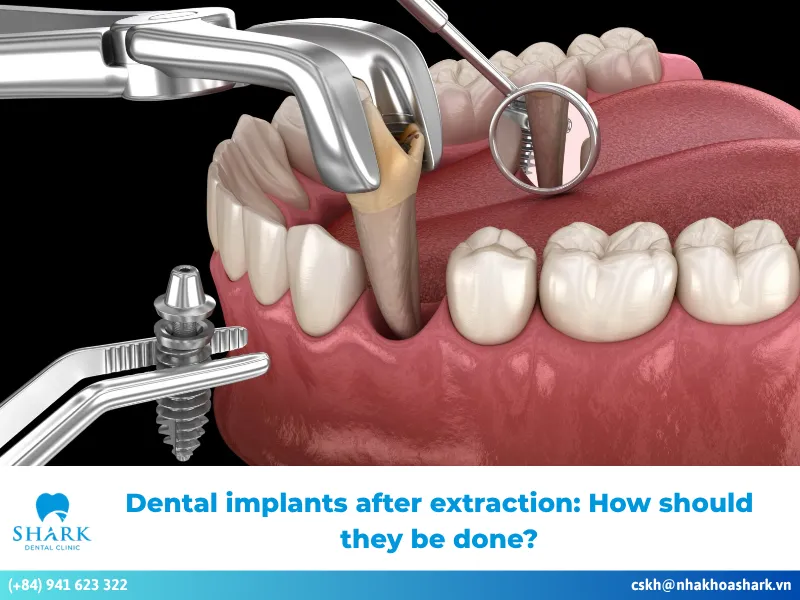
- Step 3: Using modern dental equipment, the dentist accurately identifies the implant position and places the implant post directly into the jawbone. This step is performed quickly, typically taking 7 to 10 minutes per implant. This standard applies to single dental implants as well.
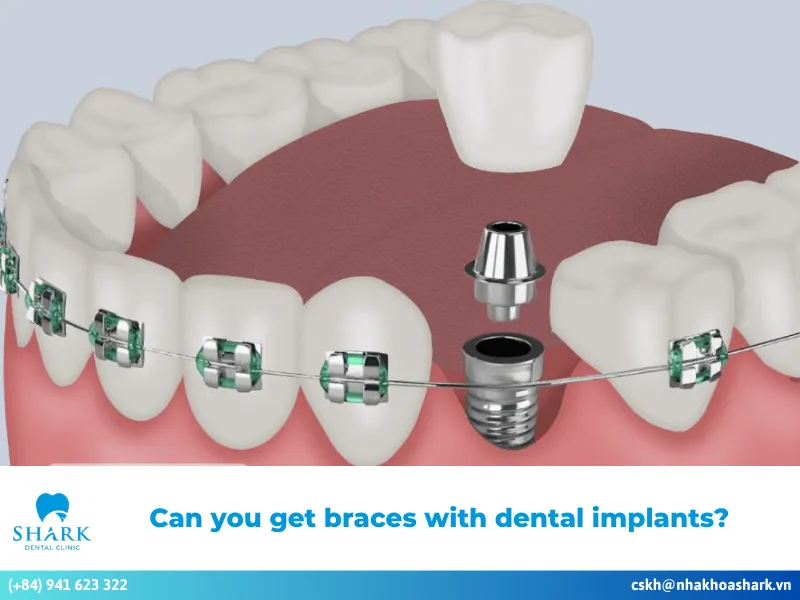
- Step 4: The implant needs time to integrate with the jawbone. In some cases, if a previous restoration has failed, the process of fixing dental implants may be required before moving forward. During this period, a dental implant healing abutment is often placed to shape the gum tissue while dental impressions are taken to create the final crown. Patients may wear a temporary restoration to facilitate normal chewing and communication.
- Step 5: Once the implant has fully integrated with the jawbone, the permanent dental crown is securely attached, concluding the dental implant process. Porcelain crowns on implants are often chosen for their natural appearance.

Factors affecting how long does it take for dental implants
The duration of the dental implant process depends on several important factors, including:
- Jawbone quality: A thick, stable jawbone allows for a faster implant treatment. If the jawbone is weak or insufficient, bone grafting or sinus lifts for dental implants may be necessary, which can extend the treatment timeline.
- Type of implant: Among the premium types of dental implants, modern systems utilizing advanced surface technologies, such as Straumann or Nobel Biocare, typically integrate with bone more quickly.
- Tooth position: Teeth that endure stronger chewing forces usually require a longer integration period to ensure long-term stability.
- Overall oral health condition: Younger, healthier patients generally experience faster healing compared to older individuals or those with compromised oral health and weaker jawbone structures—critical factors often evaluated when determining who should not get dental implants.

Safety considerations and things to avoid to prevent delays
To keep the dental implant process on schedule, patients should keep the following points in mind:
- Do not smoke: It is crucial to limit or completely stop smoking during the dental implant process. Smoking constricts blood vessels and reduces oxygen levels in the oral environment, which can slow down wound healing.
- Maintain proper oral hygiene: Clean your teeth daily, using a soft-bristled toothbrush. Brush gently and evenly, and avoid applying pressure to the area where the implant has just been placed to minimize damage to the surrounding soft tissues.
- Dietary care: For the first 5 to 7 days after implant placement, prioritize liquid, soft, and cooled foods. Avoid overly chewy, hard, spicy, or hot foods to reduce the risk of irritating your gums.
- Attend follow-up appointments as scheduled: It is essential to strictly adhere to the follow-up schedule recommended by your dentist. These visits allow the dentist to monitor how well the jawbone is integrating with the implant and to address any abnormalities promptly.

In summary, we have thoroughly addressed the common patient concern: “how long does it take for dental implants to be completed?” Dental implants are a modern and highly recommended method for tooth restoration, widely chosen by many patients. We hope this article has helped answer your questions, enabling you to make a well-informed decision about dental implant treatment and improve your oral health.