
Sinus lifts for dental implants are a commonly performed dental procedure, indicated in certain mandatory cases where the upper jawbone is insufficient to support an implant. So what are the advantages and disadvantages of this method, and how much does it cost? All of these questions will be thoroughly and clearly answered in the article below.
What are sinus lifts for dental implants? Understanding the concept
Sinus lifts for dental implants are procedures performed prior to the placement of implants to increase the thickness and volume of the jawbone. The maxillary sinus is a hollow cavity located on both sides of the upper jaw. When a tooth has been missing for an extended period, the jawbone in this area can gradually resorb, leading to insufficient bone volume to support a dental implant. In such cases, a sinus lift becomes necessary.
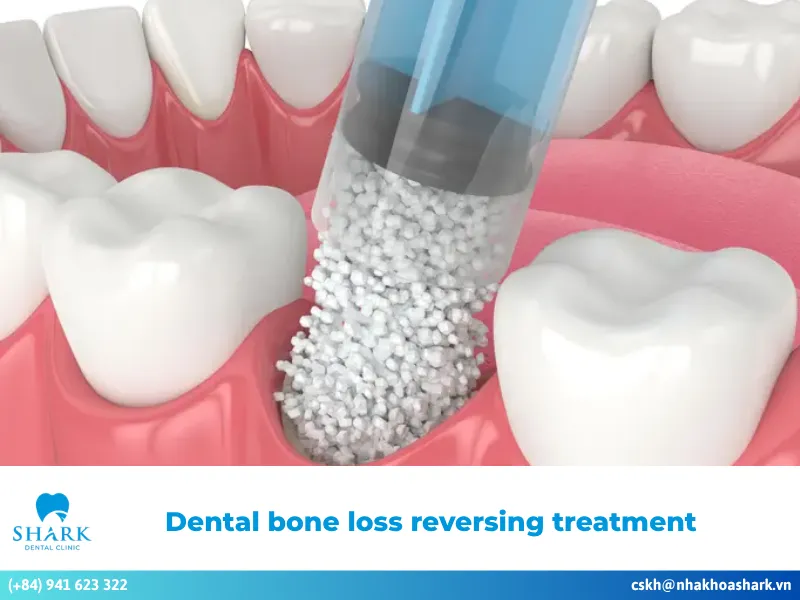
A sinus lift involves adding bone graft material to the upper jawbone, creating a stable foundation for implant placement and ensuring optimal results. In many instances, this procedure is essential to increase bone volume and promote effective osseointegration between the implant post and the jawbone.
Advantages and limitations of sinus augmentation
Advantages
- Sinus lifts help enhance the density and thickness of the jawbone, creating enough space for successful implant placement, particularly in areas where the bone has thinned due to long-term tooth loss or severe damage.
- By ensuring sufficient bone volume and a solid supporting surface, sinus augmentation significantly improves the success rate of dental implants with bone loss. This reduces the risk of further bone resorption and implant rejection, thus extending the lifespan of the restoration.
- Undergoing a sinus lift before implant placement greatly improves chewing function after tooth loss or damage, allowing patients to feel more comfortable and confident during daily eating activities.

Limitations
- Sinus lifts are technically demanding procedures that require a high level of expertise. The dentist must have extensive training and clinical experience. Therefore, patients should carefully select a reputable and high-quality dental clinic.
- This procedure may carry certain risks of complications, such as bleeding, soft tissue swelling, infection, or nerve injury, especially if not performed correctly.
- Compared to conventional implant placement, sinus lift procedures combined with implants generally have higher treatment costs.
- A sinus lift typically takes about 30 to 60 minutes per side, or longer in more complex cases. After the procedure, patients need to allow for a healing period to let the bone graft integrate before proceeding with dental implant placement.
Patients can refer to dental implant cost in Vietnam to estimate their overall budget before starting treatment.

The decision to perform a sinus lift before dental implant surgery is carefully considered based on the patient’s oral condition, individual needs, and the dentist’s professional assessment.
How much is a sinus lift for a dental implant?
In dental clinics in Vietnam, the cost of sinus lifts for dental implants typically ranges from 10,000,000 to 40,000,000 VND per case. This cost may vary due to several factors, including the complexity of the procedure, oral health condition, bone graft materials used, and the dental clinic providing the service.
- Overall health condition: Underlying health issues such as high blood pressure, diabetes, or cardiovascular diseases can affect the complexity and cost of the sinus lift procedure.
- Sinus lift technique: In practice, open sinus lifts are more complex and consequently more expensive than closed sinus lift techniques.
- Dentist’s expertise: Highly skilled dentists with advanced qualifications and years of experience can perform sinus lift procedures more safely and effectively; however, this level of expertise is generally associated with higher service fees.
- Dental clinic: The cost of sinus lifts may differ among dental clinics based on infrastructure, the quality of materials, technology, and equipment used during treatment.
Before and after considerations for the patient
Proper and scientifically-based oral care is crucial for the success of sinus lifts used for dental implants and the subsequent placement of these implants.
- Oral Hygiene: Before and after a sinus lift procedure, patients should follow a thorough oral hygiene routine. It is important to use a soft-bristled toothbrush to gently brush all tooth surfaces, effectively removing food debris and bacteria. This practice helps reduce the risk of tooth decay and oral infections.
- Diet: During the first few days after a sinus lift, patients should consume soft, easy-to-chew, and easily digestible foods. To ensure adequate nutrition without boredom, many patients refer to a list of 50 soft foods to eat after dental implant surgery for inspiration. It is advisable to limit the intake of spicy foods, heavily seasoned dishes, oily foods, and any items that may become lodged between teeth.
- Light physical activity: Gentle movement is encouraged during the first 5 to 7 days following the sinus lift procedure. Patients should avoid high-intensity activities such as boxing, playing football, mountain climbing, swimming, or other strenuous sports, as these can cause soft tissue trauma and delay healing in the oral cavity.
- Medication compliance: Patients are required to adhere strictly to the medication regimen prescribed by their dentist after a sinus lift. Anti-inflammatory medications, pain relievers, and antibiotics aid in preventing infections and minimizing pain or discomfort.
- Follow-up visits: It is essential for patients to attend follow-up appointments as scheduled. These visits allow dental professionals to monitor the healing process and ensure a stable recovery following the sinus lift procedure.
Common types and variations of sinus lifts for dental implants
There are two primary techniques currently used for sinus lifts associated with dental implants:
Closed sinus lift
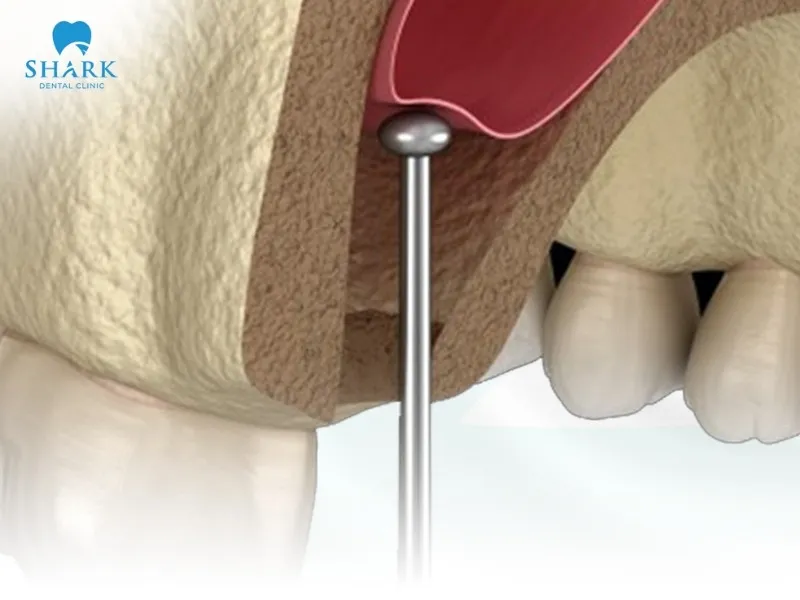
This technique is performed internally and requires minimal surgical intervention. The dentist creates a small incision in the gum tissue, leading to the maxillary sinus, and forms a small opening to gently elevate the sinus membrane. Bone graft material is then placed in the newly created space to restore bone volume.
This method is suitable for patients who have experienced long-term tooth loss with moderate jawbone resorption. It is typically recommended when the maxillary sinus has not descended too low, and the necessary bone augmentation is limited.
Open sinus lift
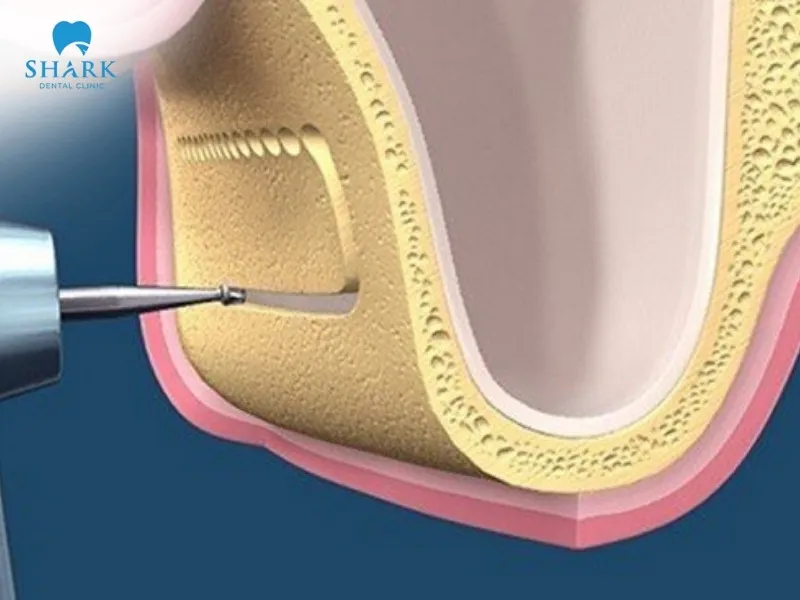
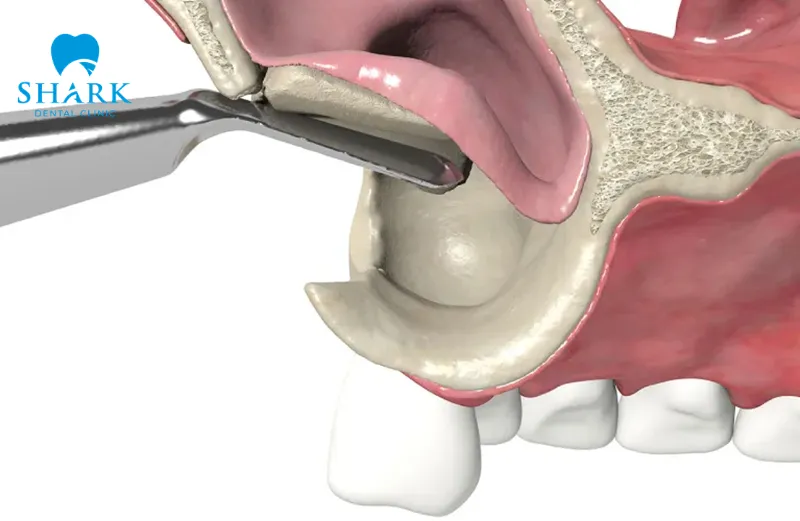
Also known as the lateral window technique, an open sinus lift involves making a small window in the side of the jawbone. The dentist makes an incision in the gum tissue near the area of the missing tooth and directly adds bone graft material into the sinus cavity.
This technique is indicated for patients with severe jawbone resorption, advanced bone degeneration, significant bone deficiency, or an uneven sinus floor. Generally, open sinus lifts are recommended when patients do not qualify for a closed sinus lift.
Long-term outlook and durability
Sinus lifts for dental implants are highly durable procedures that effectively minimize jawbone resorption, which is a decisive factor in determining how long do dental implants last. After undergoing a sinus lift at a dental clinic, patients need an adequate recovery period to allow soft tissues to heal and bone grafts to stabilize before proceeding with implant placement.
Although sinus lifts for dental implants are technically complex, they are essential for the overall success of dental restoration. We hope that the information provided above helps readers gain a clearer understanding of sinus lift procedures, including their key advantages and limitations, associated costs, and long-term effectiveness—empowering them to make informed and confident decisions regarding dental restoration.
>>> See more: Cost of dental bridge vs implants