

Orthodontic treatment has become a popular aesthetic trend, helping patients achieve straighter teeth and greater confidence in their smile. However, at reputable dental clinics, there are various orthodontic options available. Not everyone clearly understands the comparison, often wondering, “is invisalign more effective than braces?” and which method should be chosen. The answer will be revealed in the content below.
What is Invisalign treatment?
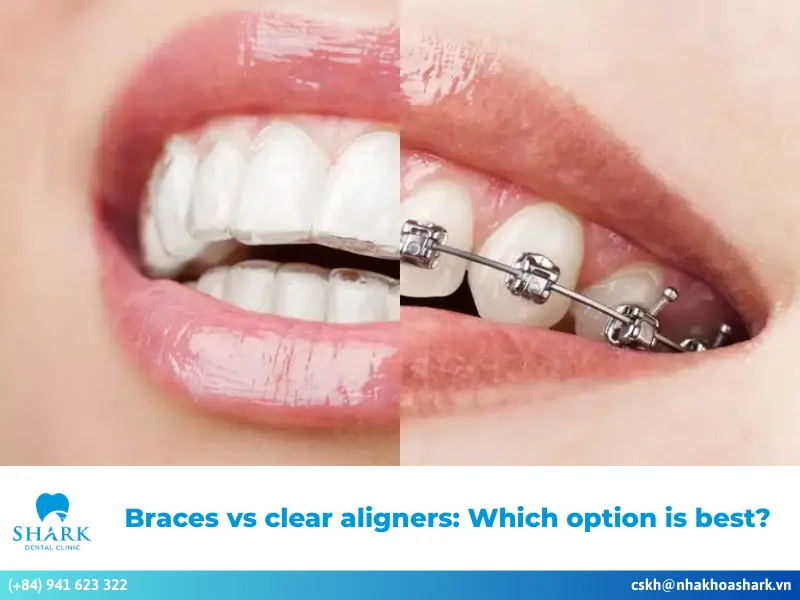
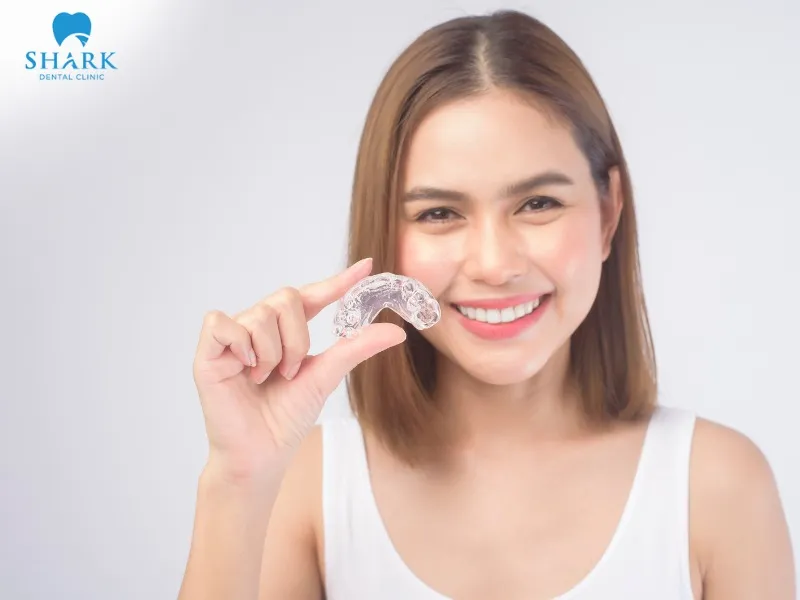
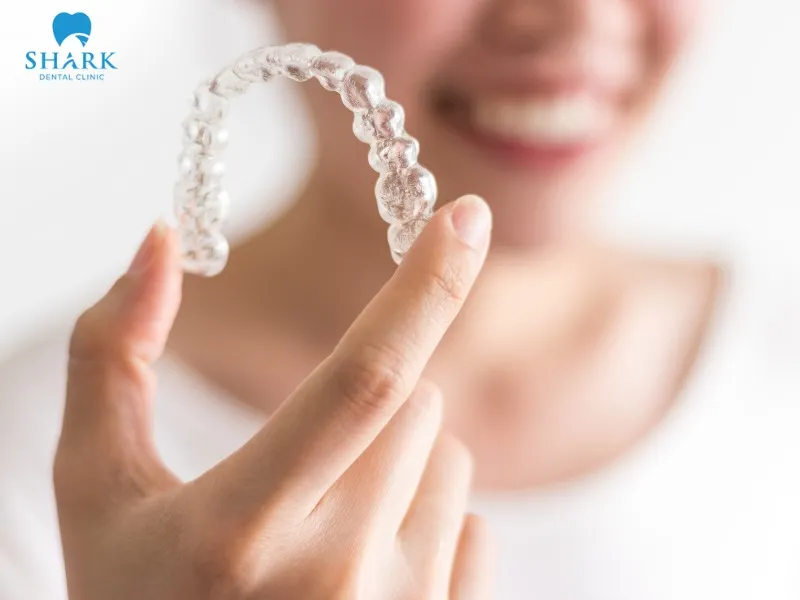
Invisalign treatment is an orthodontic method that uses clear aligners to apply gentle pressure, helping to reposition misaligned teeth to their desired positions along the dental arch. This method effectively achieves orthodontic results while providing superior aesthetics, making it a popular choice among many patients who often ask, “is invisalign more effective than braces?”.
How Invisalign works?
Invisalign utilizes transparent aligners that are custom-designed based on each individual’s dental impressions. These aligners are made from highly biocompatible materials and are capable of gradually moving teeth according to a pre-determined treatment plan. This helps patients achieve straighter teeth and boosts their confidence.
The aligners are developed using modern 3D technology along with software that simulates the entire tooth movement process. This enables patients to visualize how their teeth will shift and what the expected outcome will be. As a contemporary orthodontic solution to straighten teeth without braces, Invisalign is suitable for a variety of dental conditions and is increasingly chosen by patients.
Dental issues Invisalign can correct
Invisalign is suitable for a range of cases, including underbites, overbites, and mild to moderate crowding. Specifically:
- Overbite and underbite: Invisalign can effectively correct mild cases of overbite or underbite, improving bite alignment and enhancing overall dental aesthetics.
- Gaps between teeth: For patients wondering, “Can you get braces with missing teeth?”, it is helpful to know that clear aligners are effective for treating mild to moderate spacing between teeth.
- Crooked or crowded teeth: This method helps reposition misaligned teeth to their proper positions along the dental arch.
- Malocclusion: For deep bites, crossbites, or open bites, Invisalign may improve certain bite discrepancies depending on severity, but complex skeletal cases may require fixed appliances or combined treatment.
Advantages of Invisalign
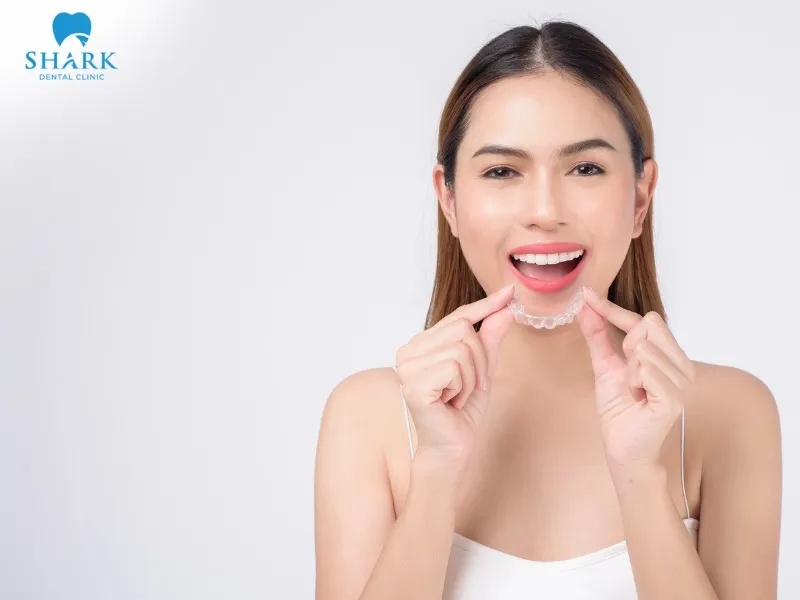
Invisalign employs advanced 3D technology, offering high precision and superior aesthetics. Some of the key advantages include:
- Aesthetics: Compared to traditional braces, clear aligners provide better aesthetic results. The transparent trays fit closely over the teeth and are difficult to notice during everyday wear, allowing patients to communicate confidently.
- Safety: The aligners are made from safe, non-irritating materials that are gentle on the oral environment.
- Easy oral hygiene: One of the primary benefits is that aligners act as removable braces and are easy to clean. Patients can take them out to brush and floss normally, avoiding the hassle of figuring out how to floss with braces, which helps maintain better oral hygiene and reduces the risk of tooth decay.
- Minimal discomfort: Invisalign aligners are designed to fit snugly without causing bulkiness or significant discomfort during treatment.
- Treatment simulation: Modern 3D technology allows for relatively accurate simulations of the tooth movement process and expected treatment outcomes.
Limitations of Invisalign
- Invisalign treatment costs are relatively high compared to other traditional orthodontic methods.
- Clear aligner therapy is not suitable for severe cases of misalignment or complex crowding.
What are traditional braces?
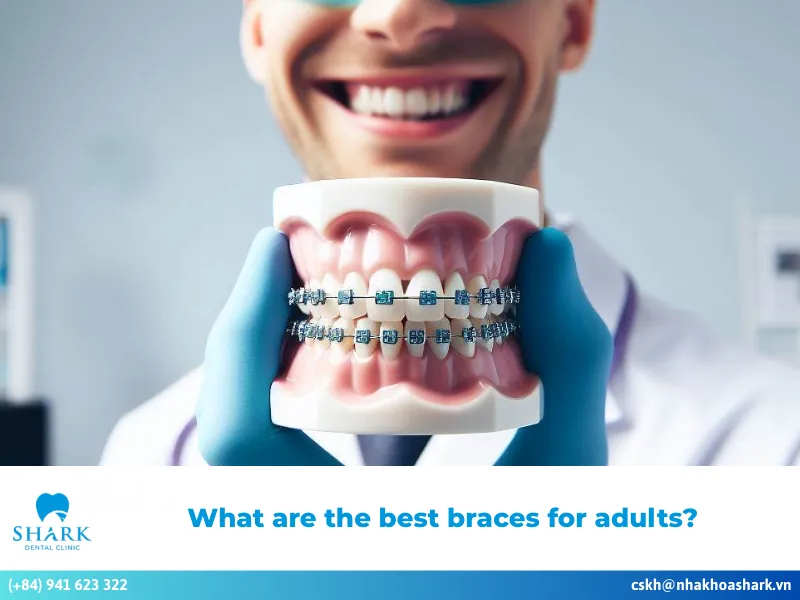
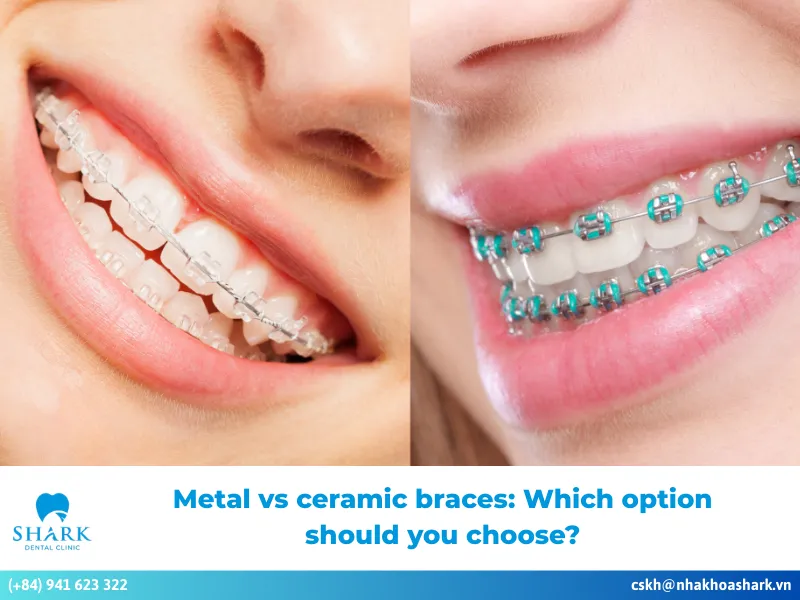
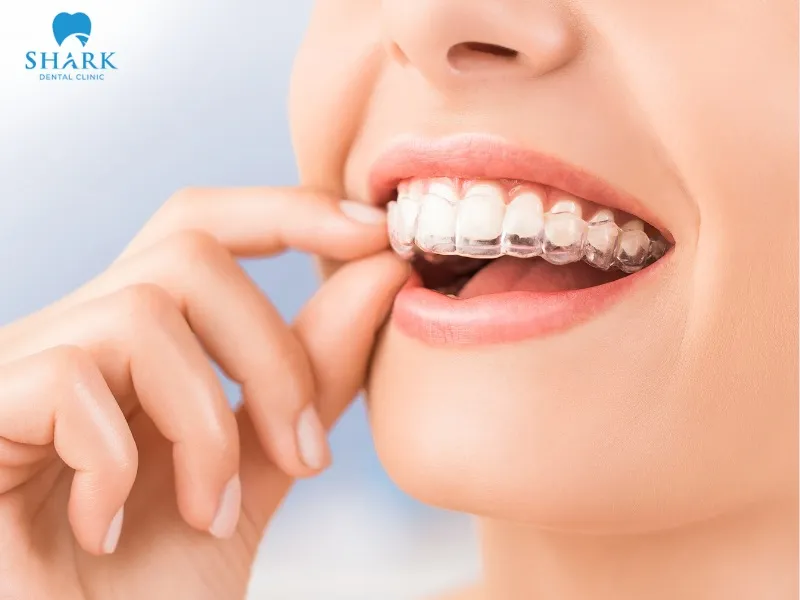
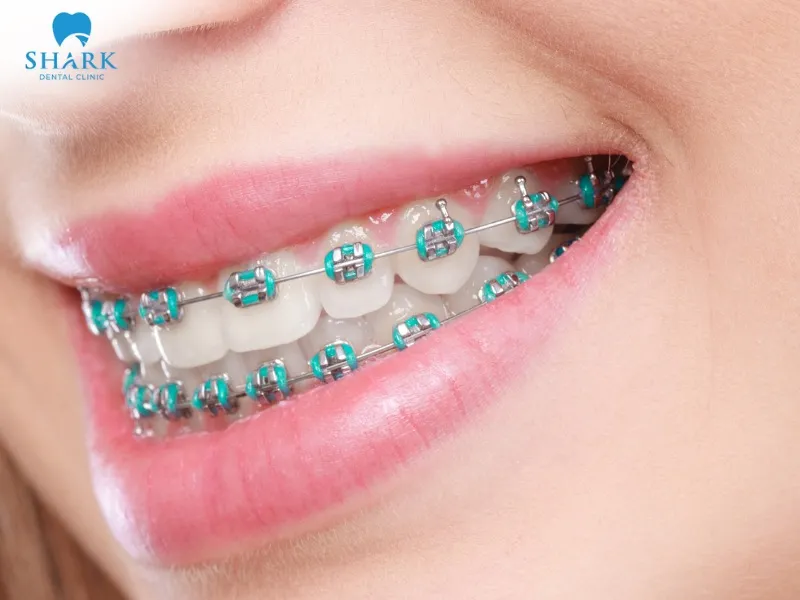
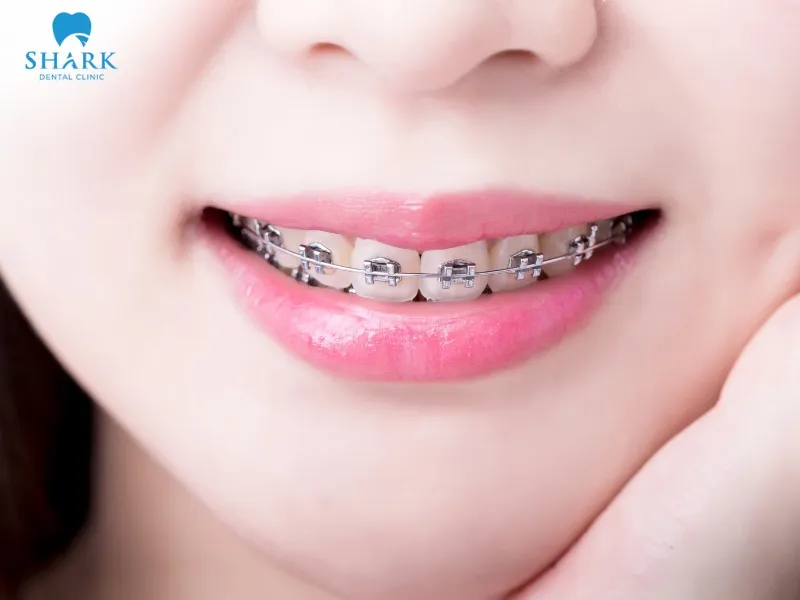
Traditional braces are an orthodontic approach that employs a system of appliances, including brackets and archwires made from ceramic or metal materials. The dentist applies controlled force to gradually adjust and move misaligned teeth into their correct positions along the dental arch.
Evaluating metal vs ceramic braces is a crucial step when you decide to go the traditional route.
How braces move teeth?
Traditional braces function by attaching brackets to the teeth and connecting them with an archwire. The continuous force generated by the archwire gradually shifts the teeth into the desired alignment over time.
Dental issues braces can correct
Traditional braces are effective for the following dental conditions:
- Protruding teeth (Overbite): Individuals with protruding teeth that impact their confidence in communication can see significant improvements with braces.
- Underbite: Traditional braces can correct underbite or reverse bite cases, contributing to a more balanced dental arch and a confident smile.
- Gapped teeth: Braces are also suitable for individuals with spaced teeth. By applying appropriate orthodontic forces, braces gradually bring teeth closer together, enhancing overall aesthetics.
- Misaligned or crowded teeth: Braces are commonly recommended for severely misaligned or crowded teeth that can affect oral function and facial aesthetics.
Advantages of braces
- Ceramic braces offer a higher level of aesthetics, as the bracket color closely matches natural teeth.
- Braces can effectively correct serious issues such as overbite, underbite, and severe misalignment.
- Traditional braces are reasonably priced, making them accessible for many patients.
In fact, a large number of people travel to get braces in vietnam to take advantage of these highly affordable rates.
Limitations of braces
- Compared to clear aligners, metal braces do not offer the same level of aesthetics. Metal brackets and archwires are visible during treatment, which may cause some patients to feel less confident in communication.
- Ceramic brackets may chip or crack during orthodontic treatment.
- Braces can complicate daily oral hygiene, making cleaning more difficult.
Is Invisalign more effective than braces for teeth alignment?
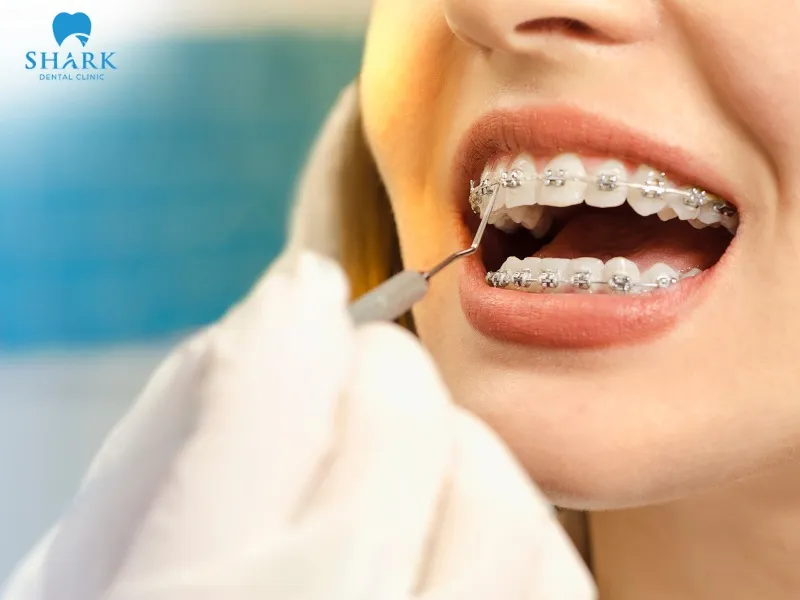
Both Invisalign and traditional braces effectively reposition misaligned, crowded, or spaced teeth. However, Invisalign is generally recommended for mild to moderate misalignment cases. For more severe orthodontic issues, braces may provide greater control and stronger corrective forces.
Plastic aligners vs metal braces
Dưới đây là bảng so sánh chi tiết giữa phương pháp niềng răng Invisalign và mắc cài:
| Braces | Invisalign | |
| Material | Made from metal, ceramic, and other materials. | Made from flexible polymer plastic. |
| Aesthetics | Brackets and archwires can be visible during treatment, and poor oral hygiene during fixed appliance treatment may contribute to plaque accumulation and gum inflammation | Offers superior aesthetics and is minimally noticeable while worn. |
| Effectiveness | Suitable for severe misalignment, significant overbite or underbite, and complex crowding. | Best for mild to moderate misalignment cases. |
| Comfort | Patients may experience slight discomfort or a bulky feeling during treatment. | Designed for comfort, usually causing minimal discomfort. |
| Oral hygiene | Can make daily oral hygiene more challenging. | Easily removable, making it more convenient for brushing and cleaning. |
Treatment cost comparison
The cost for Invisalign typically ranges from approximately 45,000,000 to 130,000,000 VND, while traditional braces usually range from 25,000,000 to 60,000,000 VND. Although Invisalign is generally more expensive, it offers superior aesthetics and comfort, which many patients appreciate.
How to choose between Invisalign and braces for your case?
Both Invisalign and traditional braces offer effective orthodontic solutions. Consider the following factors to determine the best option for you:
- If you have severe overbite, underbite, or significant misalignment and are seeking an effective solution at a reasonable cost, traditional braces may be the ideal choice.
- If you have mild crowding or misalignment and prefer orthodontic treatment that emphasizes aesthetics and comfort, Invisalign may be the better option.
Hopefully, the information shared in this article about is invisalign more effective than braces has given you helpful insights to choose the most suitable orthodontic method. Wishing you soon achieve a straight, beautiful smile that helps you feel confident and radiant!