

How can you floss properly with braces? What are the benefits of flossing during orthodontic treatment? These are common concerns for many patients. If you’re wondering the same, read this article from Shark Dental Clinic for the right answers!
Benefits of using dental floss when wearing braces
Dental floss is a small, thin, and soft thread with good elasticity, making it ideal for individuals with orthodontic appliances. Floss is typically made from nylon or plastic, allowing it to slide easily into tight spaces between teeth, effectively removing food debris and plaque without disrupting orthodontic treatment.
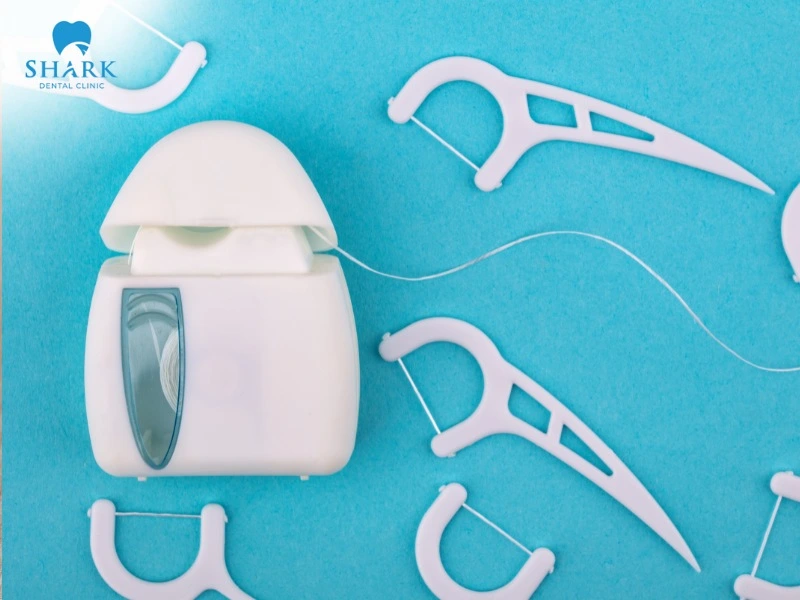
Here are some key benefits of using dental floss while wearing braces:
- Maintains oral hygiene: During orthodontic treatment, food particles and bacteria can accumulate between teeth, brackets, and archwires. Dental floss effectively cleans these areas, especially those that are difficult to reach, thanks to its thin thread that can easily navigate tight spaces.
- Prevents bad breath: Bacteria and food particles that remain in the mouth can lead to bad breath. Dental floss not only cleans the teeth but also removes bacteria, helping to keep your breath fresh. Additionally, some types of dental floss are infused with mint flavor,

- Prevents tooth decay: Neglecting oral hygiene during braces can lead to bacteria accumulating around brackets and between teeth. This creates an environment conducive to enamel damage and tooth decay. Proper flossing is an effective way to prevent cavities while wearing braces.
- Prevents gum disease: If you continue to use wooden toothpicks after getting braces, you may risk issues such as gum recession, gaps, and infections. It’s better to replace this habit with dental floss to clean your teeth and help prevent gum disease during orthodontic treatment.
- Maintains aesthetics: Dental floss is thin and soft, making it effective at removing yellowish plaque from the surface of your teeth. This allows you to feel more confident in your daily interactions and social activities.
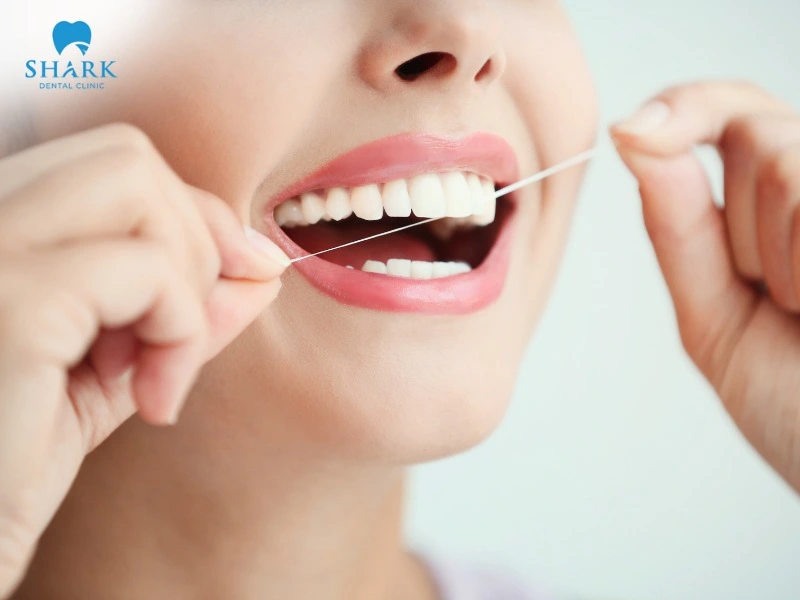
In summary, with the practical benefits outlined above, dental floss is an essential tool for those wearing braces or who have recently completed orthodontic treatment. Learning the correct way to floss with braces is crucial for protecting your oral health and ensuring cleaner interdental spaces, effectively preventing conditions such as gingivitis and periodontitis.
>>> See more: How to remove hard plaque from dentures
How to floss with braces
For individuals wearing braces, it is essential to know the correct method of using dental floss to ensure the complete removal of food debris and bacteria from the mouth. Below are the recommended steps for using dental floss effectively:
Step 1: Brush your teeth
Begin by using a toothbrush with rounded bristles and a soft texture to thoroughly clean your teeth. Knowing how to brush your teeth with braces effectively involves brushing from the inside out, ensuring you reach all surfaces, brackets, and interdental spaces to remove plaque and leftover food particles.
Step 2: Prepare dental floss
Take a piece of dental floss that is about 30 – 40 cm long and wrap both ends around your index fingers. It is advisable to choose floss from reputable brands that are thin, durable, and strong to ensure optimal cleaning efficiency.
Step 3: Insert the floss
Gently slide the floss between your teeth and along the gumline, moving it up and down along the tooth surfaces to remove any remaining plaque and food particles. Exercise care and gentleness during this step to avoid irritating the gum tissues.
Step 4: Repeat the cleaning motion
Continue the motion described in Step 3 for each tooth gap, taking your time to ensure thorough cleaning between teeth and near the gumline. It may take about 10 – 30 minutes to completely clean the oral cavity, so patience is important.

>>> See more: Retainer that looks like braces
If you prefer using flossers for braces, follow these specific steps:
- Step 1: Hold the flosser firmly between your fingers and gently insert the floss head into the space between your teeth.
- Step 2: Rotate the pick and use the pointed end to remove food debris and plaque from between your teeth.
- Step 3: Move the floss pick from one interdental space to another, ensuring your teeth are completely cleaned of debris. Use the floss picks gently, avoiding excessive force that could damage your gums or tooth enamel.
- Step 4: Rinse your mouth with clean water or a specialized mouthwash to remove bacteria and leftover plaque, leaving your breath fresh.
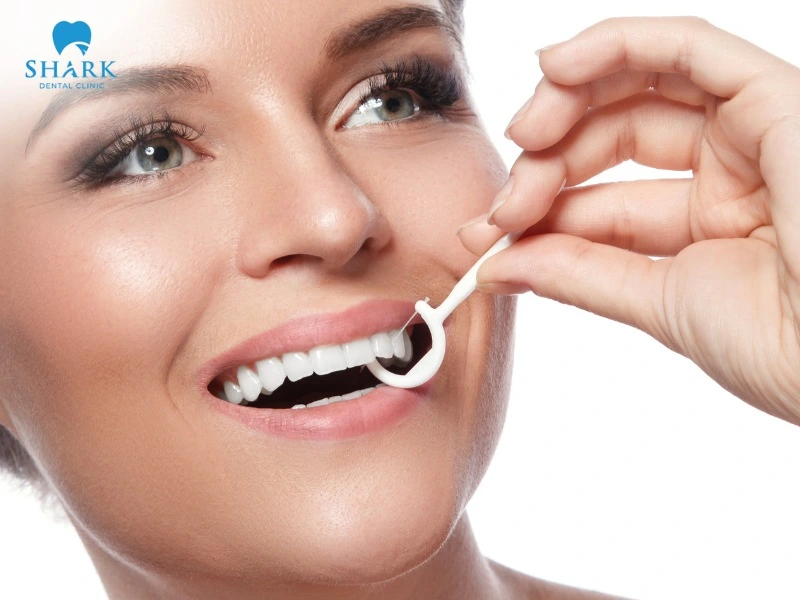
In addition to these steps, dentists recommend flossing at least once a day for individuals with braces. Plaque in the oral cavity can begin to harden after 24 – 36 hours. Regular use of dental floss helps prevent plaque from hardening on tooth surfaces, thereby limiting bacterial growth in the mouth. This practice effectively helps prevent common dental issues such as periodontitis, gingivitis, and tooth decay.
Furthermore, when flossing, make sure to move in a vertical direction along the teeth and always use gentle motions to avoid dislodging brackets, which could affect orthodontic results. Choosing flossers for braces from well-known brands also ensures safety for your oral health during braces treatment.
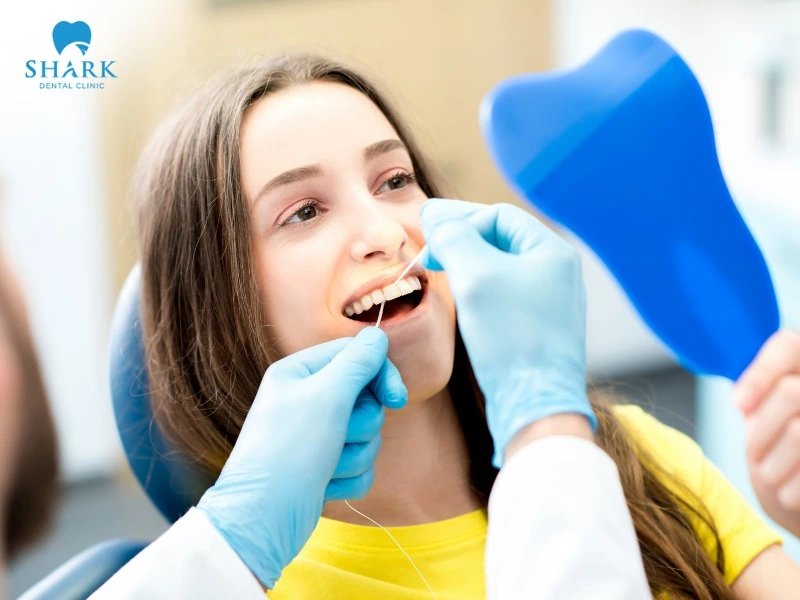
In conclusion, you now have detailed guidance on how to floss with braces to maintain your oral hygiene. Although dental floss is a familiar tool, it must be used properly and step by step to achieve the best results. Hopefully, this guide will help you protect your dental health more effectively, especially after undergoing orthodontic treatment.
>>> Read more: How much are braces with insurance