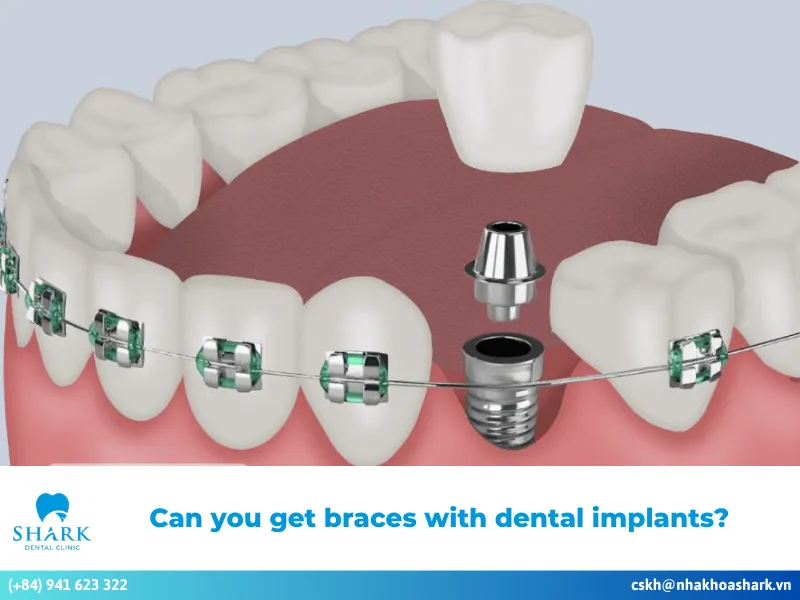


Are you torn between choosing dental implants or removable dentures after tooth loss? Each method offers its own advantages in terms of cost, treatment time, and other factors. In the article below, Shark Dental Clinic will provide a detailed and easy-to-understand comparison of removable dentures vs. implants, helping you find the option that fits you best.
What are removable dentures?
Removable dentures are a traditional solution for tooth restoration designed to replace missing teeth. They can be easily removed and reinserted as needed. This option is suitable for various situations, including the loss of a single tooth implants, multiple missing teeth, or complete tooth loss. A typical removable denture consists of a plastic base or a metal framework combined with artificial teeth, which can be made from porcelain or acrylic. This structure helps restore basic chewing functionality and improves the appearance of the smile for patients with missing teeth.
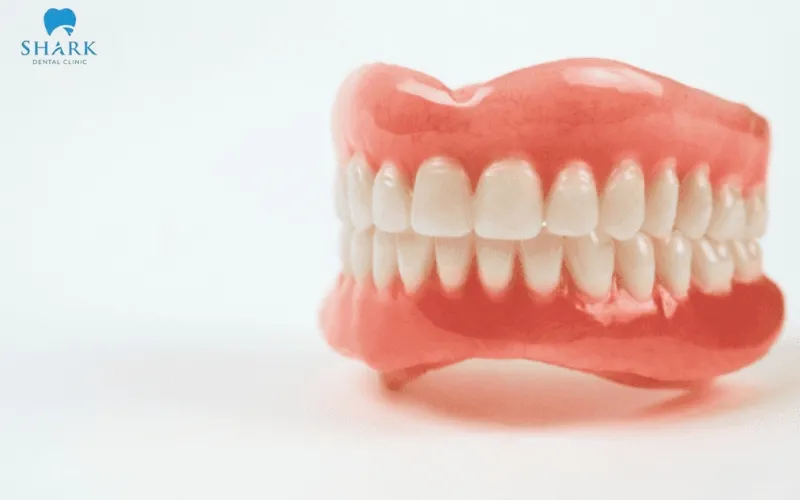
Analyzing the pros of removable dentures
Removable dentures offer several advantages, making them particularly suitable for patients seeking a quick and cost-effective tooth replacement solution:
- Lower cost: Compared to dental implants or porcelain bridges, removable dentures are significantly more affordable and fit a wider range of budgets.
- Fast treatment time and non-invasive: This option does not require surgery. The procedure is relatively simple, quick, and minimizes medical risks.
- Flexible and easy to use: Dentures can be easily removed and reinserted, making daily cleaning and maintenance more convenient.
The cons of removable dentures
Despite their benefits, removable dentures have some limitations that patients should consider before making a decision:
- Limited chewing efficiency: The bite force is weaker than that of natural teeth or dental implants, which may cause discomfort or a bulky feeling during long-term use.
- Shorter lifespan: Removable dentures typically last around 3 to 5 years. After this period, adjustments or replacements are often necessary to maintain comfort and effectiveness.

What are dental implants?
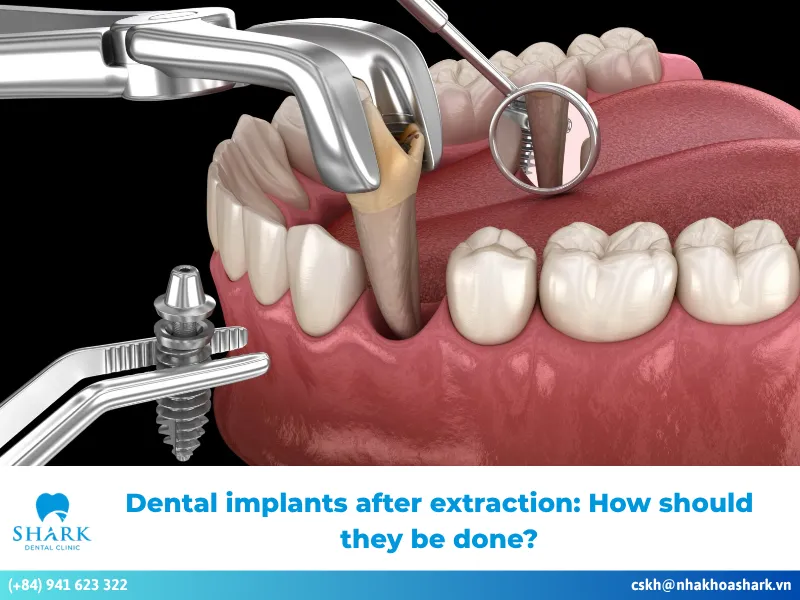
Dental implants are a modern method for tooth restoration. This procedure involves placing a titanium implant post into the jawbone at the site of the missing tooth to replace the natural tooth root. Once the implant securely integrates with the bone, a prosthetic tooth is attached on top, effectively restoring chewing function and providing natural-looking aesthetics.
Key advantages of dental implants
Before comparing removable dentures and implants in detail, let’s explore why dental implants are highly regarded by dental professionals:
- Chewing function similar to natural teeth: Because the implant integrates directly with the jawbone, the restored tooth is extremely stable, allowing comfortable and natural chewing.
- Prevents jawbone resorption: The titanium implant stimulates the jawbone during chewing, helping maintain bone density and preventing bone loss caused by long-term tooth loss.
- High aesthetic value: Implant-supported crowns are meticulously designed in color and shape to blend seamlessly with natural teeth, creating a natural and confident smile.
- Long-lasting durability: With proper care, dental implants can last a lifetime, helping patients save time and costs compared to repeatedly replacing dentures.
- Maximum preservation of natural teeth: Unlike porcelain bridges that require grinding adjacent teeth, implants function independently, preserving surrounding healthy teeth.
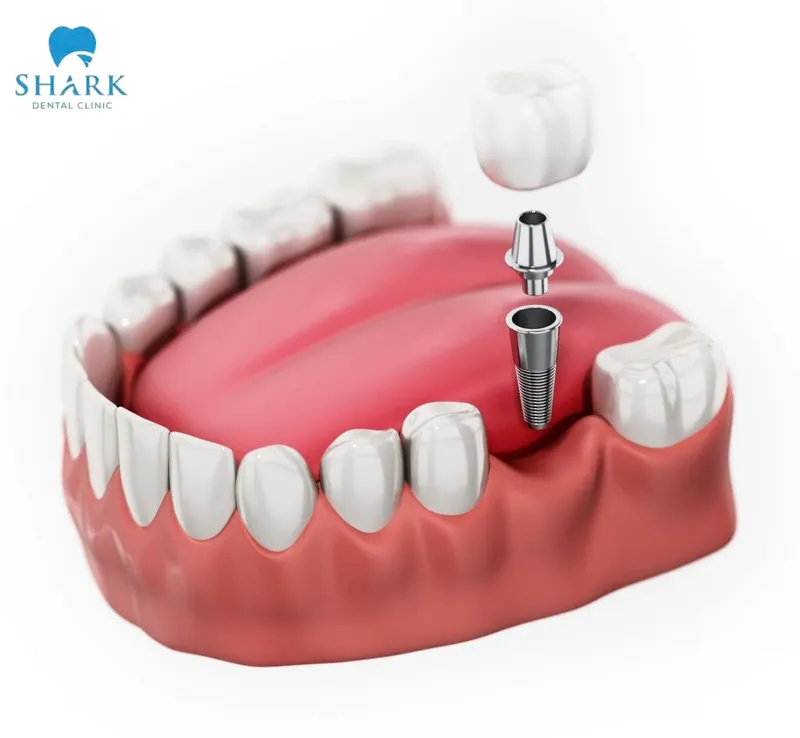
Common disadvantages dental implants
While dental implants offer many benefits, there are some considerations patients should keep in mind before proceeding with treatment:
- Higher cost: Compared to removable dentures or dental bridges, implants require a larger financial investment.
- Longer treatment duration: The process for implants takes time, as the implant post must fully integrate with the jawbone before the final crown is placed.
- Good jawbone health required: Implants may not be suitable for patients with severe bone loss in the upper jaw. In such cases, additional supportive procedures like sinus lifts for dental implants may be performed beforehand to ensure there is enough bone height to support the titanium post.
Cost comparison: Removable Dentures vs. Implants
Cost is one of the most crucial factors when selecting a tooth replacement solution. Generally, removable dentures can last a lifetime significantly more affordable than dental implants. Below is a reference price overview for these two common restoration methods.
Removable dentures price list
Dental implant restoration price list
The cost of dental implants usually ranges from 12,000,000 to 26,000,000 VND per tooth, depending on the implant system used. The detailed pricing is as follows:
Are dentures safer than dental implants?
This is a common question among patients when comparing removable dentures to implants. Both methods are considered safe when performed correctly and indicated appropriately.
Non-invasive nature of dentures
Many people consider removable dentures safer because they do not involve surgery:
- No impact on the jawbone: Denture fabrication requires only taking impressions and placing the prosthesis on the gums, without any surgical intervention, which means no pain or bleeding.
- No post-operative complications: As there are no open wounds, risks such as infection, swelling, or implant rejection are completely avoided.
- Safer option for certain patients: Particularly suitable for elderly patients, individuals with compromised health, or those with chronic conditions who are often advised to avoid surgical procedures.
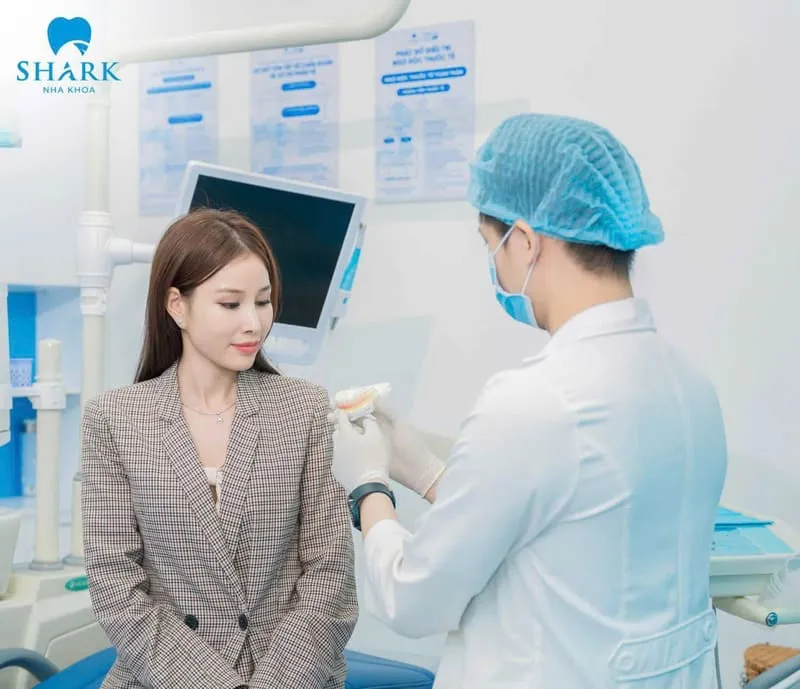
Surgical safety and success rates of implants
Unlike dentures, dental implants are an invasive procedure. However, this does not mean they are unsafe. Thanks to advancements in modern dental technology, implant treatment has been clinically proven to be highly safe:
- High success rates: When performed by experienced dentists and followed by proper aftercare, dental implants achieve success rates of up to 95%.
- Excellent biocompatibility: Implant posts are made from titanium, a material that is highly compatible with the human body, rarely causing irritation, and integrating well with the jawbone.
- Minimal complications at reputable clinics: Surgical risks are significantly reduced when implants are placed by skilled specialists at trusted dental centers.
Which tooth replacement option is right for you?
Choosing the right tooth replacement option depends on various factors such as the extent of tooth loss, oral health condition, age, and overall health status. Below is a detailed comparison of removable dentures versus implants to help you identify the most suitable solution:
| COMPARISON CRITERIA | REMOVABLE DENTURES | DENTAL IMPLANTS |
| Aesthetics | Moderate aesthetic results. | High aesthetics, natural-looking like real teeth. |
| Lifespan | Approximately 3–5 years, then replacement is required. | Can last a lifetime with proper care. |
| Chewing ability | Limited chewing force. | Restore chewing function similar to natural teeth |
| Stability | Less stable, may feel loose and unnatural. | Firm and stable, providing comfort during chewing. |
| Treatment duration | Quick completion. | Typically 3–6 months to complete. |
| Suitable candidates | Elderly patients or those with chronic conditions who cannot undergo surgery | Patients in good overall health seeking long-term functional and aesthetic restoration. |
| Cost | Low cost. | Higher cost. |
Based on this comparison, removable dentures are suitable for patients who need quick restoration at a lower cost and prefer to avoid surgery. Meanwhile, dental implants are the ideal solution for those seeking long-term durability, strong chewing function, and lasting aesthetics.
To make the most appropriate decision, a direct dental examination is essential. Based on your oral condition and personal needs, the dentist will recommend the safest and most effective treatment plan.
Maintenance daily care requirements
To maintain long-lasting and stable restoration results, proper daily care is crucial. Below are important oral hygiene guidelines for both treatment methods:
- Caring for removable dentures: Clean dentures daily using a soft-bristled brush, especially after meals, to remove food debris effectively. Avoid using hot water, as it may deform the denture base.
- Proper toothbrushing: Brush at least twice a day, combined with dental floss, water flossers, and antibacterial mouthwash to thoroughly clean interdental areas.
- Healthy diet habits: After restoration, prioritize soft, easy-to-chew foods and limit hard, sticky, or overly hot foods to reduce pressure on the teeth and enhance durability.
- Regular dental check-ups: Whether using removable dentures or dental implants, routine dental visits are necessary for dentists to monitor stability and promptly address any abnormalities.
Shark Dental Clinic hopes that this comparison of removable dentures vs. implants have helped you make an informed decision for long-term oral health and a confident smile. If you are still unsure which option best suits your needs, do not hesitate to contact Shark Dental clinic via hotline (+84) 941 623 322 for prompt consultation, appointment scheduling, and access to exclusive treatment offers.