

Dental implants are the optimal solution, offering superior results in addressing issues such as tooth loss and damaged teeth. However, not every case is eligible for dental implants. So, can people with diabetes get dental implants? Let’s explore this question in detail with Shark Dental Clinic in the article below!
Understanding the connection between diabetes and oral health
Before answering the question of whether people with diabetes can get dental implants, it is necessary to clearly understand the relationship between diabetes and oral health. This connection is closely linked to the condition of the gums, the stability of the jawbone, and the overall effectiveness, as well as the long-term outcome of dental treatments and procedures.
How high blood sugar affects your gums and bone?
According to doctors, when blood sugar levels remain high, they create an ideal and favorable environment for bacteria to grow, multiply, and develop more rapidly within the oral cavity. These bacteria can actively attack the gum tissues, leading to gum inflammation, while at the same time gradually damaging and destroying the connective tissues surrounding the tooth roots.
If this condition persists for a prolonged period, the density and volume of the jawbone may decrease significantly over time. As a result, the supporting structure of the jaw becomes weaker and less stable, reducing its ability to support a dental implant effectively and making the implant placement process more difficult and more complex.

The impact of diabetes on the body’s healing response
Diabetes is a condition that can cause the hardening of capillaries, which in turn reduces and limits blood circulation throughout the body. At the same time, it also restricts the ability of immune cells to effectively reach and respond to the surgical site after dental implant placement.
Under these conditions, the tissue regeneration process may become slowed down, delayed, or even partially disrupted, leading to a longer and more prolonged healing phase following dental implant surgery. This extended healing time can affect the overall recovery process, making it slower and less efficient compared to individuals without diabetes.
Can people with diabetes get dental implants?
People with diabetes can still undergo dental implant placement if they meet the necessary health conditions and requirements. Before proceeding, dentists will perform a thorough and careful examination, measure blood sugar levels, and provide guidance on appropriate lifestyle habits. At the same time, patients will be supported in controlling their blood glucose levels to ensure they are stable before undergoing dental implant procedure.
Accordingly, diabetic patients need to maintain their blood sugar levels within a safe and controlled range, with HbA1c levels kept below 7%. This is a crucial condition that helps minimize the risk of infection and supports a smoother, more stable healing process after dental implant placement.
In addition, dentists will also conduct blood tests, carefully evaluate jawbone density, and assess the condition of the gums. If patients with diabetes are experiencing periodontal disease or gum inflammation, these conditions must be treated thoroughly and completely before proceeding with dental implant placement, in order to ensure safety and achieve optimal treatment outcomes.

Risks and challenges for diabetic patients
Although the answer to whether people with diabetes get dental implants is generally yes, diabetic patients may still face several risks and challenges during and after the implant procedure. These risks are mainly related to healing ability, immune response, and the condition of oral tissues.
Slower osseointegration and healing times
Compared to healthy individuals, most patients with diabetes require a longer time for healing after dental implant placement. In these patients, blood circulation tends to occur more slowly, and the nutrients needed for tissue regeneration may be insufficient. As a result, the osseointegration process is prolonged, and the overall healing time is extended, which can directly affect the effectiveness and stability of wound recovery after the implant procedure.
Increased susceptibility to post-surgical infections
High blood sugar levels in patients with diabetes can weaken the immune system. At this point, white blood cells are not strong enough to effectively fight against harmful pathogens. As a consequence, patients with diabetes have a higher risk of developing oral infections after dental implant placement, especially during the post-surgical healing phase.
The threat of peri-implantitis in diabetic patients
People with diabetes have a higher risk of developing peri-implantitis compared to individuals without diabetes. In this condition, the connective tissues and jawbone surrounding the implant post may become weakened over time. This weakening of the supporting structures is one of the main reasons why the implant may become unstable or fail over time following the restoration process.

Requirements for a successful dental implant procedure
For patients wondering if people with diabetes get dental implants, meeting the following requirements is essential to ensure a safe procedure and optimal long-term results:
Achieving stable blood sugar management
Patients with diabetes are required to maintain stable and well-controlled blood sugar levels before proceeding with dental implant placement. HbA1c levels should be kept within the recommended range, and overall blood glucose must remain within a safe threshold. This level of control plays a crucial role in supporting the osseointegration process, allowing the implant to integrate more effectively with the jawbone while also reducing the risk of implant failure and post-surgical complications.
Maintaining a rigorous oral hygiene routine
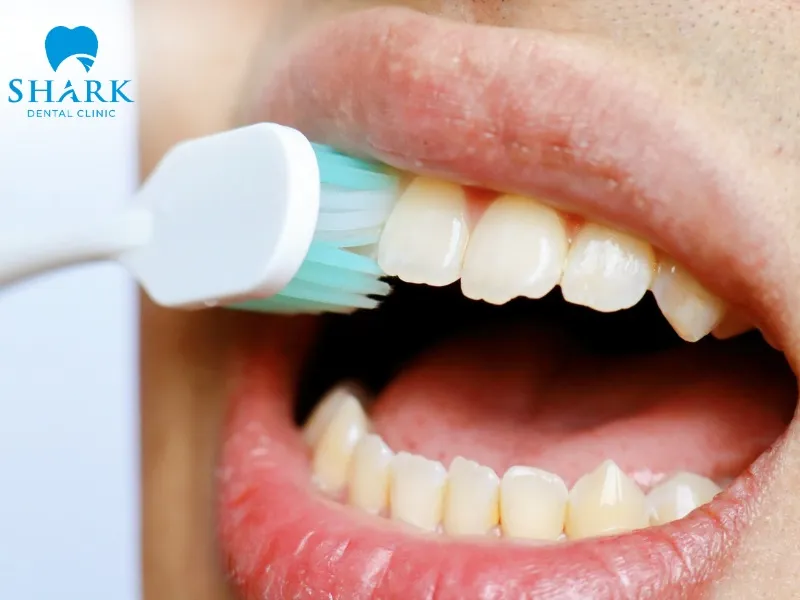
Diabetic patients need to maintain proper and consistent oral hygiene habits to ensure that dental implant treatment achieves optimal effectiveness and safety:
- Using a soft-bristled toothbrush to brush teeth two to three times per day is recommended, with gentle brushing techniques to avoid causing irritation or damage to the gum tissue.
- In addition, combining dental floss with a water flosser can help thoroughly clean the oral cavity, especially in areas that are difficult to reach with brushing alone.
- Regular rinsing with warm salt water or a suitable antiseptic mouthwash is also encouraged, as it helps maintain oral cleanliness, reduces bacterial presence, and supports a healthier healing environment.
Close coordination between dentist and primary physician
The dental implant process for patients with diabetes requires close and continuous coordination between the dentist and a qualified primary physician or specialist. Both professionals will carefully monitor the patient’s overall health condition, make necessary adjustments to the treatment plan, and provide timely solutions if any unusual signs or complications arise during the implant procedure.
>>> See more: Who should not get dental implants?
The dental implant process for patients with diabetes
The implant procedure for diabetic patients must be performed in a sterile clinical environment, strictly following established medical protocols and current standards to ensure safety and achieve optimal treatment outcomes.
Comprehensive pre-surgical screening and consultation
Before undergoing implant placement, patients will receive thorough evaluations and general health assessments, including blood tests, Cone Beam CT scans, and other necessary examinations. Based on these clinical findings and diagnostic data, the dentist will develop a personalized implant treatment plan that ensures safety while maximizing the effectiveness and success of the restoration process.

Specialized surgical protocols and antibiotic prophylaxis
For patients with diabetes, dentists often prioritize minimally invasive implant techniques to reduce trauma and support a smoother recovery process. Advanced technology is also used to accurately determine and guide the implant placement position. In addition, an appropriate antibiotic prophylaxis plan is carefully calculated and prescribed before and after the implant procedure to help minimize the risk of oral infection and ensure safer treatment outcomes.
Monitoring the healing phase and bone integration
After the implant procedure is completed, diabetic patients will be closely monitored throughout the healing phase to ensure that no signs of infection or complications develop. At the same time, blood glucose levels are regularly checked, allowing doctors to make timely adjustments if any abnormal signs appear during the recovery and bone integration process.
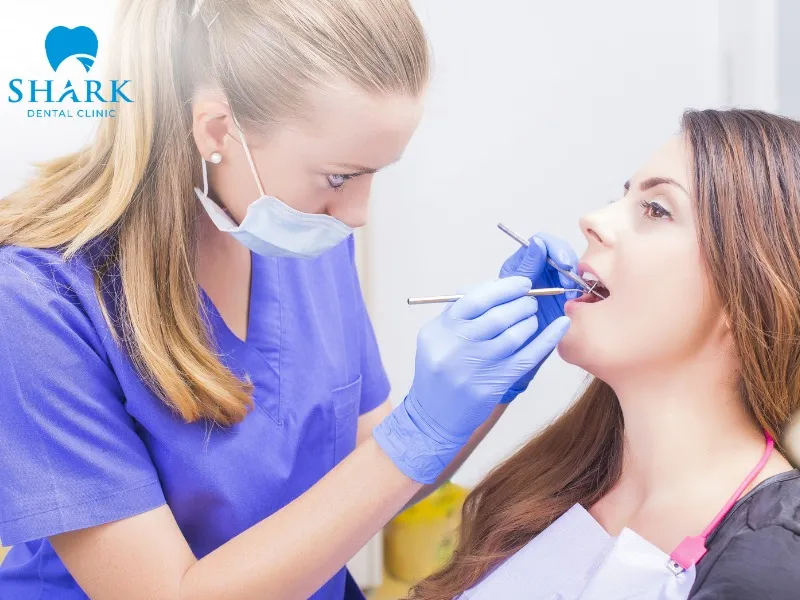
Tips for recovery and long-term implant maintenance
After receiving dental implant treatment, patients with diabetes must strictly follow the dentist’s instructions regarding daily oral hygiene and care routines to maintain stable and long-term results.
Lifestyle adjustments to support oral health
- Diet: Patients with diabetes should prioritize foods rich in fiber and vitamins to help strengthen the immune system and improve overall health. At the same time, limiting overly sweet foods and high-carbohydrate intake is important to keep blood sugar levels stable and well-controlled.
- Avoid smoking: Smoking is considered highly harmful for individuals with diabetes. Nicotine can cause vasoconstriction, which may negatively affect blood circulation and increase the risk of implant failure after placement.
- Adequate rest: Patients should maintain proper sleep habits, get sufficient rest, and combine this with light physical activity to enhance natural immunity. This can significantly support the healing process and improve recovery outcomes after dental implant treatment.

Regular professional cleanings and check-ups
- Oral hygiene: Patients with diabetes need to maintain thorough daily oral hygiene to keep the mouth clean and reduce bacterial buildup. It is recommended to brush teeth 2–3 times per day, helping remove food debris, plaque, and harmful bacteria from the oral cavity effectively.
- Dental check-ups: You should attend follow-up visits according to your dentist’s schedule or have routine check-ups every 3–6 months. During these visits, the dentist will evaluate your oral condition and provide timely guidance or treatment if any abnormal issues are detected.

Frequently asked questions
What is the ideal HbA1c level for dental implants?
The ideal HbA1c level to safely undergo dental implant placement is typically below 7%. This index reflects that blood sugar is being well controlled and stable, which is an important condition for proper bone integration and effective healing after implant surgery. If the HbA1c level exceeds 8%, dentists may postpone or decline implant treatment to reduce the risk of implant failure.
Does type 1 vs type 2 diabetes change the success rate?
In practice, patients with type 2 diabetes tend to have a higher success rate with dental implants compared to those with type 1 diabetes. This is because type 1 diabetes is classified as an autoimmune condition, often associated with more unstable blood sugar levels, which can make the healing process slower and more challenging after surgery.
What happens if my blood sugar spikes after surgery?
After dental implant placement, a sudden increase in blood sugar levels can negatively affect the healing process and increase the risk of acute infection. In such cases, bacteria may more easily penetrate deeper into the gum tissue and surrounding structures, which can lead to complications and increase the likelihood of implant failure or rejection.
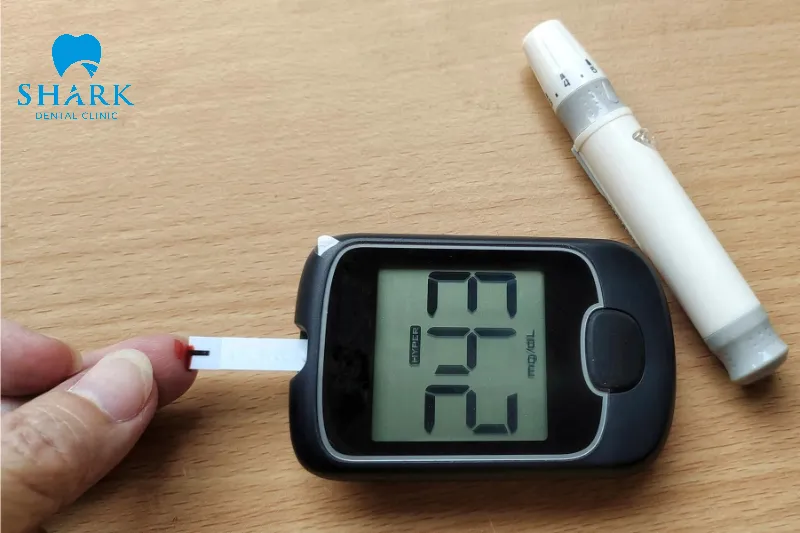
In summary, the answer to “can people with diabetes get dental implants?” is yes. However, patients must undergo thorough health evaluations and maintain strict control of blood sugar levels to ensure safe and effective treatment outcomes. Hopefully, this article has provided you with clear and helpful information, allowing you to better understand the process and take proper care of your oral health.