
Bad breath after tooth extraction is one of the most common issues that many people experience, often causing confusion, concern, and a noticeable loss of confidence in daily communication. So, what exactly causes this condition, and how can it be effectively treated and improved? Let’s explore the detailed and helpful information revealed in the article below to better understand and address this problem!
What causes bad breath after tooth extraction?
Bad breath after wisdom tooth extraction can occur for several common reasons following the procedure, such as:
The healing blood clot
After the tooth extraction procedure is completed, a blood clot after tooth extraction forms in the socket to protect the wound, support healing, and promote tissue regeneration. During the first 2–3 days, proteins in the blood, tissue-repairing cells, and saliva interact with each other, which can create a slightly unpleasant odor. This is a typical cause of bad breath after tooth extraction and is usually temporary.

Bacteria and food debris
At the extraction site, a small empty socket remains. This space can easily trap food particles and become a favorable environment for bacteria to accumulate. Over time, bacteria break down proteins in food debris and release sulfur compounds, leading to an unpleasant smell. This is another common reason for bad breath after wisdom tooth extraction.
Dry socket (Alveolar osteitis)
In some cases, the blood clot may become dislodged or fail to form properly after extraction. When this happens, the underlying bone and nerve endings are exposed directly to saliva and the oral environment. This condition, known as dry socket, can cause severe pain in the tooth area, ear, and temple, along with noticeable bad breath after tooth extraction.
Infection
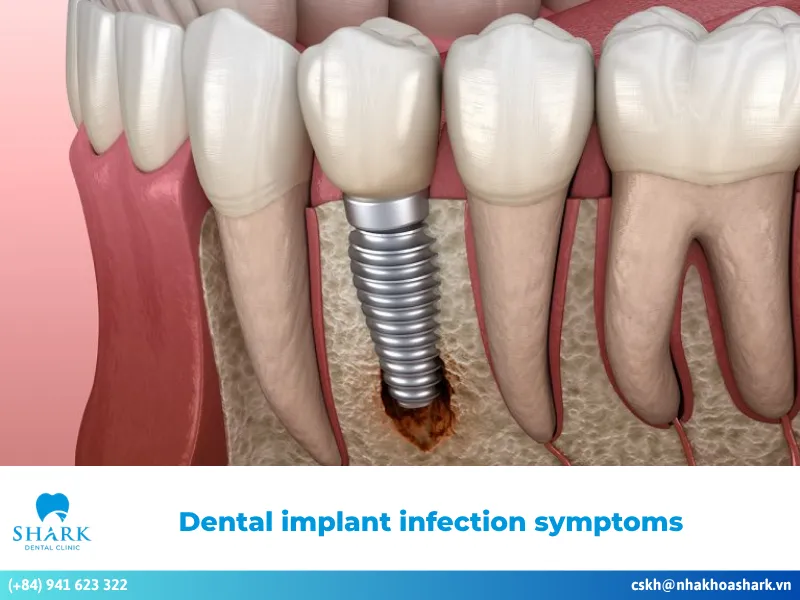
Bad breath after wisdom tooth extraction, when accompanied by swollen, painful gums and the presence of white pus discharge, is a typical warning sign of an oral infection. If you experience these symptoms, it is important to contact your dentist promptly for examination, diagnosis, and timely treatment to prevent potentially serious complications.

How long does bad breath after wisdom tooth extraction?
Typically, bad breath after wisdom tooth extraction lasts for about 3 to 7 days. During this period, the wound gradually heals, and the blood clot becomes more stable. As healing progresses, the unpleasant odor in the mouth will gradually decrease and eventually disappear. However, if bad breath after tooth extraction does not improve after this timeframe or becomes more severe, it is important to inform your dentist as soon as possible for proper evaluation.
Solution for preventing bad breath after tooth extraction
Bad breath after tooth extraction can be effectively prevented with proper care and hygiene practices. Below are some helpful preventive measures you can consider!
Gentle salt water rinses
After the first 1–2 days following the procedure, you can begin using a salt water rinse after tooth extraction to keep the area clean. Saltwater has natural antibacterial properties that help cleanse the wound, reduce bacteria, and minimize bad breath after tooth extraction. However, during the early healing stage, rinsing should be done very gently to avoid dislodging the blood clot, which is essential for proper recovery and for preventing bad breath after wisdom tooth extraction from worsening.

Prescribed mouthwash
In cases where bad breath after tooth extraction is more severe or shows signs of infection, dentists may prescribe a medicated mouthwash containing antibacterial agents. These specialized mouthwashes are highly effective in eliminating anaerobic bacteria, helping to improve breath odor and reduce the risk of infection, especially in situations involving bad breath after wisdom tooth extraction.
Maintain overall oral hygiene
After tooth removal, the oral cavity becomes more sensitive and more prone to inflammation or infection. Therefore, maintaining good oral hygiene is essential to control bad breath after tooth extraction. You should brush your teeth 2–3 times daily, rinse your mouth regularly, and combine this with flossing or using a water flosser to effectively remove plaque and food debris without irritating the extraction site.
Sugar-free gum or mints
Chewing sugar-free gum or using sugar-free mints can help improve bad breath after wisdom tooth extraction. These products stimulate saliva production, which plays an important role in neutralizing acids and naturally washing away bacteria in the mouth. As a result, they can help reduce unpleasant odors and support fresher breath after tooth extraction.

Dietary tips for reducing bad breath after extraction
A balanced and healthy diet not only supports overall well-being but also plays an important role in improving bad breath after tooth extraction and promoting a smoother recovery process following dental treatment.
- Prioritize soft and liquid foods: After having a tooth extracted at the dental clinic, you should prioritize soft, well-cooked foods such as porridge, soup, broth, or smoothies. Reducing chewing force helps minimize pressure on the extraction site, thereby protecting the wound and allowing the healing process to proceed more quickly and comfortably.
- Drink plenty of water: It is important to stay well-hydrated after a tooth extraction. Drinking water helps rinse away food particles and bacteria in the oral cavity, which can effectively reduce unpleasant odors. However, you should sip water slowly and gently to avoid dislodging the blood clot, as this could lead to infection or delay healing.
- Avoid strong-smelling spices and foods: During the early stage after extraction, you should limit foods with strong odors, such as garlic butter, onions, and spicy or hot dishes. These foods tend to leave lingering smells in the mouth, which can make breath odor more noticeable and uncomfortable.

>>> See more: What are the best foods after tooth extraction?
In summary, bad breath after tooth extraction can stem from a variety of different causes and contributing factors. Accurately identifying the underlying reason will help you apply proper, science-based oral care methods and improve bad breath more quickly and effectively. Hopefully, the information shared in this article will serve as a helpful and practical source of knowledge, enabling you to maintain a healthy smile, support good oral hygiene, and feel more confident with fresh, clean, and pleasant breath.