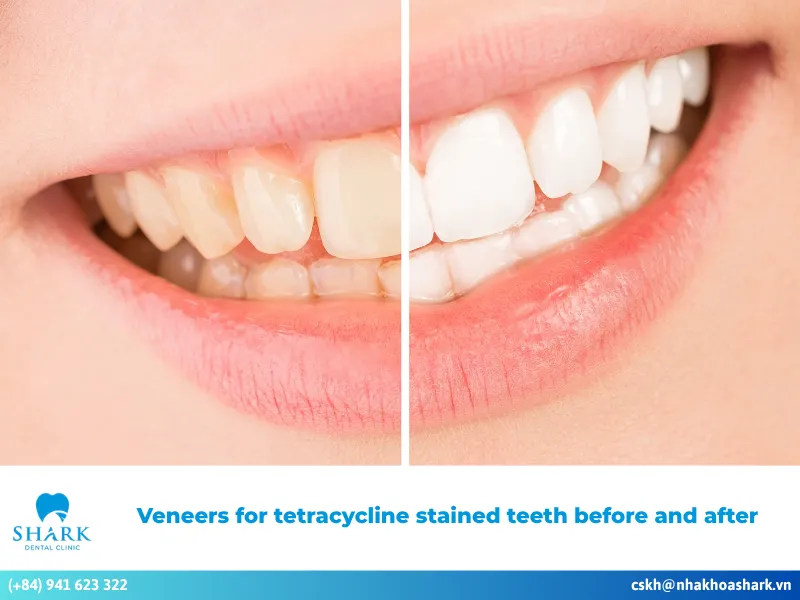


A broken wisdom tooth not only causes pain, discomfort, and difficulty during daily activities but may also carry a high risk of infection if it is not treated promptly. In many cases, the damaged area can trap bacteria and food debris, leading to further complications over time. However, not everyone clearly understands the causes of this condition or how serious it can become. So, how should a wisdom tooth broken extraction be performed and managed properly? Let Shark Dental Clinic help you explore the detailed information right below.
Causes of a broken wisdom tooth
Wisdom teeth are located at the very back of the jaw, so they are often exposed to many different risk factors. Because of their hard-to-reach position, they can be more difficult to clean and monitor properly. When not cared for correctly, a broken wisdom tooth may develop through chipping, cracking, or fracture for the following reasons:
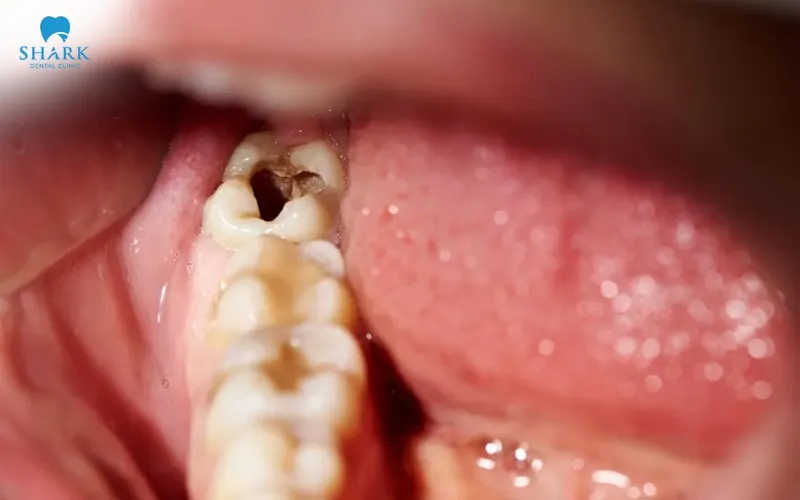
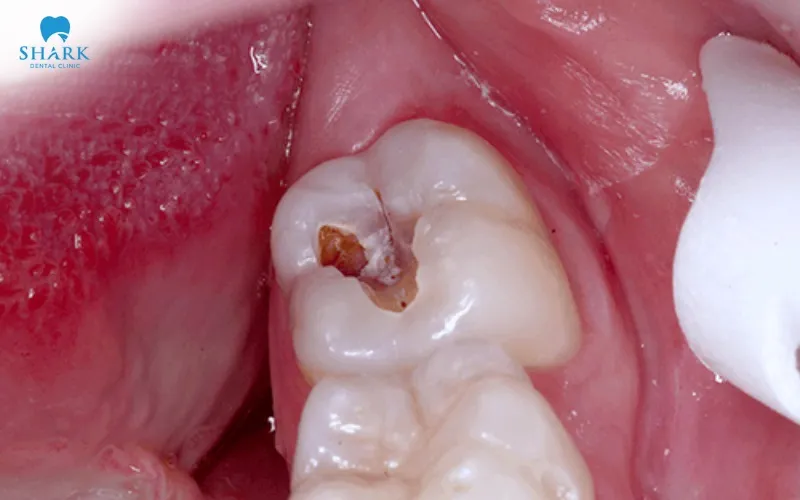
- Tooth decay: The long-term buildup of plaque and bacteria can create cavities that gradually weaken the enamel. Once the tooth structure is no longer strong, the wisdom tooth becomes much more likely to crack or break during normal chewing. In many cases, untreated decay is one of the most common causes of a wisdom tooth broken.
- Cracked wisdom tooth: Biting hard foods, frequent teeth grinding, or trauma to the jaw area can create small cracks on the tooth surface. If these cracks are not detected early, they may spread deeper over time and eventually lead to a fracture. This is one reason a wisdom tooth broken condition may worsen suddenly.
- Partially erupted wisdom tooth: A wisdom tooth that grows sideways, becomes impacted, or only erupts partially can easily trap food debris and bacteria. This increases the risk of infection and decay while making the tooth structure more vulnerable to damage and breakage.
- Gum disease: Gingivitis or periodontal disease can affect the tissues and supporting structures around the tooth. When the surrounding support becomes weak, the wisdom tooth may also lose stability and become more likely to chip, loosen, or fracture.
Why shouldn’t you ignore a wisdom tooth broken?
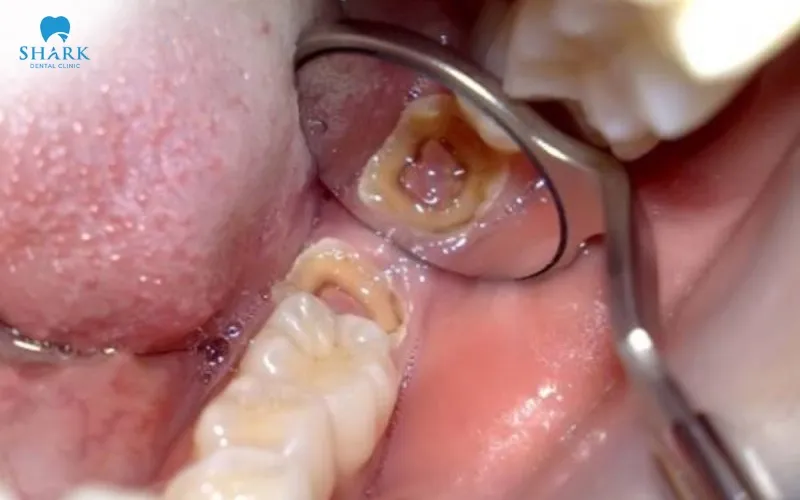
Many people tend to underestimate the problem when a wisdom tooth becomes chipped or fractured but does not cause obvious pain right away. However, delaying treatment can lead to many serious oral health consequences. A broken wisdom tooth should always be evaluated as early as possible.
- Increasing damage over time: A small chip or minor crack can gradually develop into a larger fracture. As the tooth weakens further, it may eventually break more severely or become impossible to restore if treatment is delayed.
- Higher risk of infection: Cracks, cavities, and damaged areas create easy entry points for bacteria to move inside the tooth and surrounding tissues. This can cause infection, swelling, abscess formation, and in severe cases may spread to the jawbone. Patients who need wisdom tooth broken extraction often seek treatment after infection has already progressed.
- Effects on nearby teeth: A damaged wisdom tooth can place pressure on neighboring teeth, especially when it grows at an angle. This may contribute to crowding, bite misalignment, discomfort, and changes in the appearance of the dental arch.
- Greater risk of gum disease: If left untreated, bacterial buildup around the area may worsen gum inflammation and periodontal disease. Over time, this can contribute to bone loss, tissue damage, and even tooth loss involving nearby teeth.
How does a broken wisdom tooth affect the alignment of your teeth?
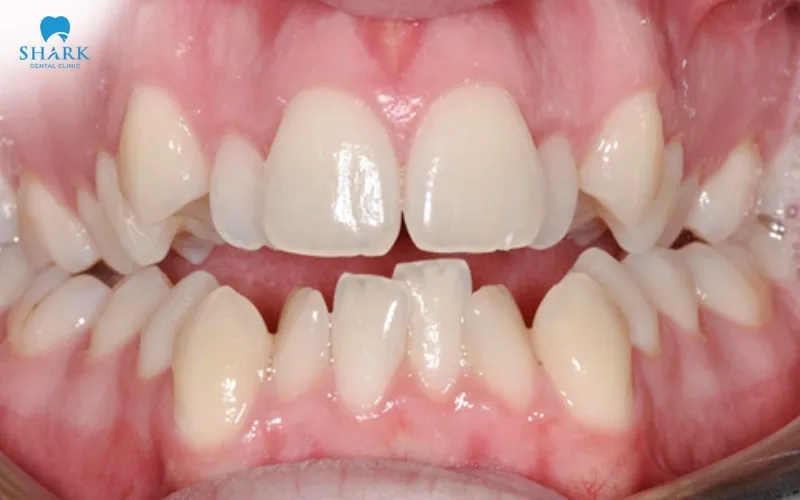
A wisdom tooth broken can do more than cause local discomfort. It may also affect the balance and stability of your entire dental arch over time. Although these changes often happen gradually and indirectly, delaying treatment can allow the problem to worsen and may eventually influence the position of nearby teeth. Specifically, these may include:
- Cause crowding in the front teeth: When a broken wisdom tooth, especially impacted wisdom tooth extraction or growing at an angle, continues to push against the teeth in front of it, pressure may build over time. This force can gradually contribute to crowding or shifting, particularly in the lower front teeth where space is already limited. As alignment changes, cleaning between teeth may also become more difficult.
- Create pressure on nearby teeth and gums: A damaged or fractured wisdom tooth can irritate the surrounding gum tissue and place repeated pressure on adjacent teeth. This ongoing stress may weaken the stability of nearby structures and increase the chance of movement, discomfort, or inflammation. If bacteria collect around the damaged area, the risk of swelling and infection can become higher.
- Affect your bite alignment: A wisdom tooth that is broken, misaligned, or erupting in the wrong position may change how your upper and lower teeth meet when you bite down. This can lead to bite imbalance, jaw tension, chewing difficulty, or even recurring headaches in some cases. If these symptoms are present, timely evaluation is strongly recommended.
Treatment options for a broken wisdom tooth
The best treatment for a broken wisdom tooth depends on how severe the damage is, whether infection is present, and how the tooth is positioned in the jaw. Dentists aim to preserve the tooth when possible, but in many cases removal is the healthier long-term solution. Below are the most common approaches:
Conservative treatment (for minimal damage)
If the wisdom tooth has only minor chipping or surface damage and the roots remain healthy and stable, conservative treatment may be considered. The damaged area is usually cleaned thoroughly and restored with a tooth-colored filling material to rebuild the missing portion of the tooth. This can help restore appearance and improve chewing function.
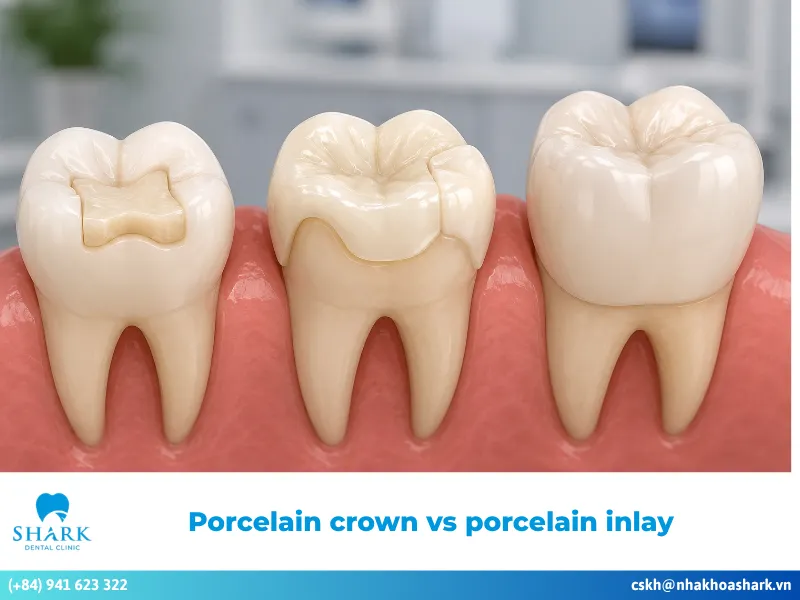
In some situations, a dental crown may also be recommended to cover and protect the remaining tooth structure. A crown can reduce the risk of future cracking, fracture, or bacterial penetration. This option is generally less invasive, more cost-effective, and suitable when the damage has not reached deep layers of the tooth.
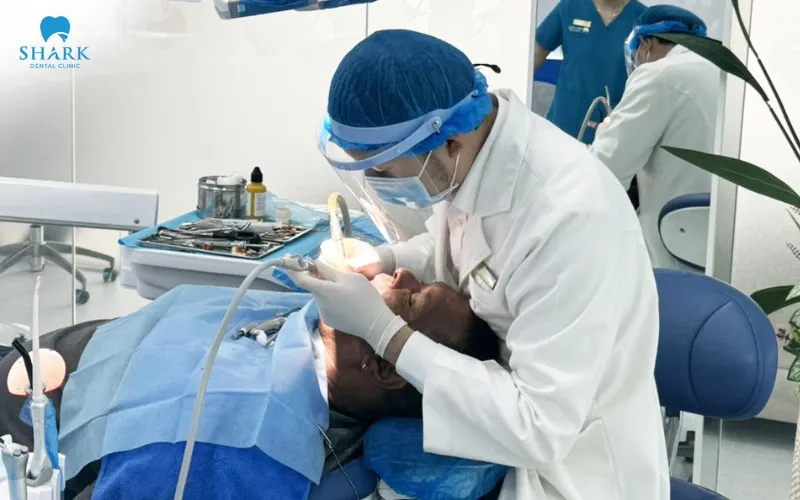
Root canal treatment or broken wisdom tooth extraction (for extensive damage)
When a wisdom tooth broken has deep fracture lines, pulp involvement, severe decay, or signs of infection, treatment becomes more complex. A root canal may be recommended if the tooth can still be saved. During this procedure, the infected or inflamed inner tissue is removed, the canals are cleaned, and the space is sealed to prevent bacteria from returning. In many cases, the treated tooth is later covered with a crown for added strength and function.
However, if the tooth is badly damaged, cannot be restored, or is harming nearby teeth and gums, broken wisdom tooth extraction is often the most effective solution. Removing the tooth eliminates the source of infection, relieves pressure, and protects your overall oral health.
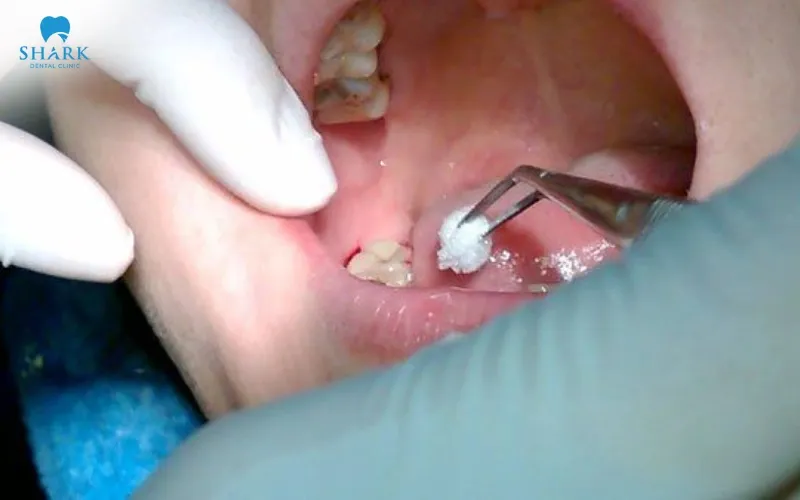
How much does broken wisdom tooth extraction cost?
The broken wisdom tooth extraction cost today usually varies flexibly and can differ from case to case depending on the dentist’s skill, the technology used, and the reputation of the treatment provider. In general, the fee commonly ranges from $38 to $190 for one tooth.
However, this is only a reference price. The exact broken wisdom tooth extraction cost still depends on many factors, such as the condition of the wisdom tooth, the degree of misalignment or abnormal eruption, and the technology used during treatment.
Therefore, to know the most accurate figure, you should visit a reputable dental clinic for a direct examination and careful assessment. After evaluating your actual condition, the dentist can provide a treatment plan and a precise cost that matches your specific case.
How to keep your wisdom teeth healthy?
After your wisdom teeth have been treated, maintaining proper oral care habits will help minimize the risk of recurring problems such as tooth decay, infection, or another broken wisdom tooth. Below are simple but effective methods that you should apply regularly:
- Maintain daily oral hygiene: Maintain daily oral hygiene by brushing your teeth at least twice a day and using dental floss to clean between the teeth. You should pay special attention to the back molar area, where wisdom teeth are usually located and where plaque commonly builds up more easily.
- Have regular dental checkups: You should have routine dental checkups every six months. Regular examinations and tartar removal help detect potential problems early, allowing timely treatment before the condition becomes more serious.
- Limit hard or crunchy foods: Limit foods that are too hard or too crunchy, because they may place excessive pressure on the teeth and increase the risk of cracks or fractures in the wisdom teeth.
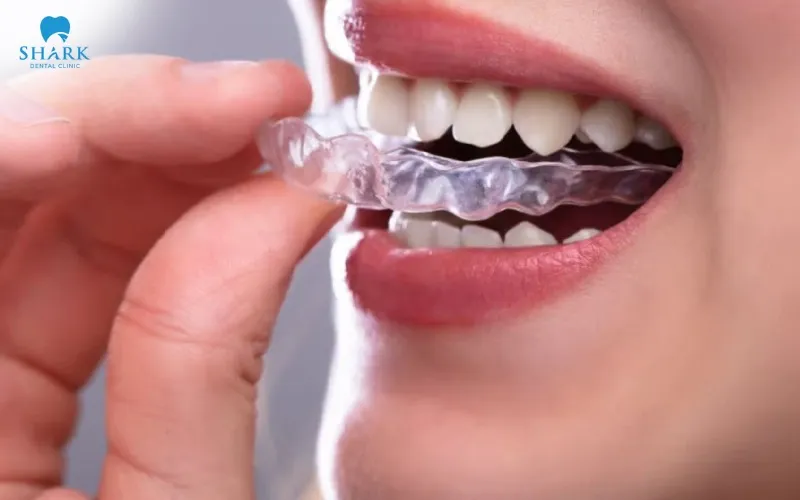
- Protect your teeth: Protect your teeth if you frequently grind your teeth while sleeping. You should use a protective guard to reduce pressure on the teeth and help prevent long-term damage.
- Monitor unusual signs: Monitor unusual signs such as pain, swelling, bleeding, or a feeling of pressure in the wisdom tooth area. If these symptoms appear, you should visit a dental clinic for an early checkup.
In summary, a broken wisdom tooth, if it is not treated in a timely manner, can lead to many serious complications such as persistent pain, infection, gum swelling, and even damage to the jawbone and the neighboring teeth. For that reason, seeking an early dental visit is highly necessary so that the condition can be thoroughly examined and an appropriate treatment plan can be recommended based on your actual situation. Shark Dental Clinic hopes that the information shared above will help you gain a clearer understanding of the condition of a wisdom tooth broken and its treatment options, while also helping you choose a safe and suitable solution to protect and maintain your long-term oral health.