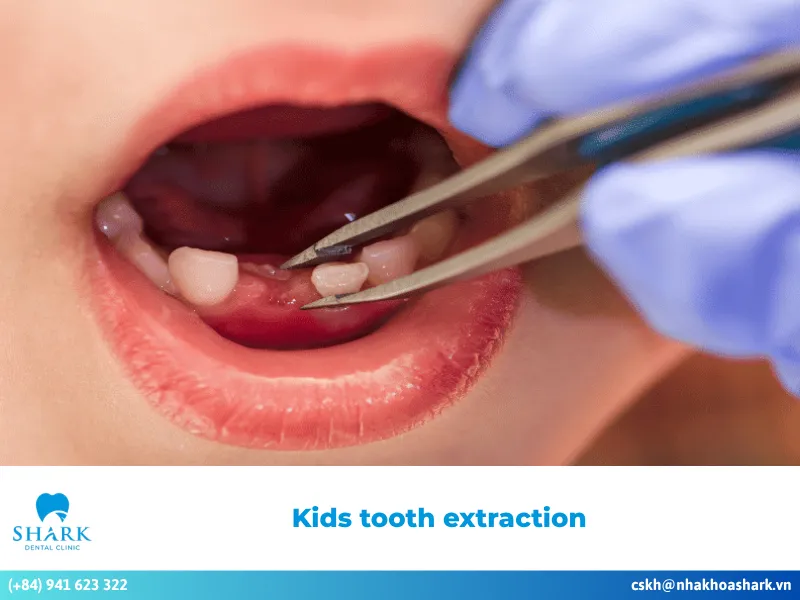


“Does tooth extraction hurt?” is a concern that causes many patients to hesitate or delay treatment, even when their teeth are facing serious problems. In reality, with the continuous advancement of modern dentistry, tooth extraction procedures today have become much gentler, less painful, and significantly safer than before. To better understand this question and how long a tooth extraction hurts, let’s explore the detailed information provided by Shark Dental Clinic in the article below.
Does tooth extraction hurt?
Tooth extraction is virtually painless thanks to anesthesia and modern technology. In reality, the level of pain during a tooth extraction depends on several factors, including the condition of the tooth, the technique used, and the technology applied during the procedure.
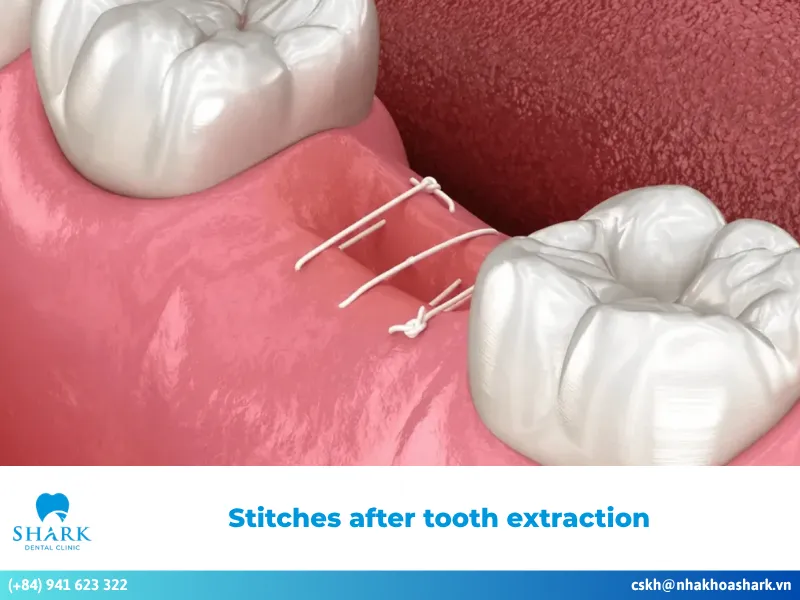
In the past, tooth extraction was mainly performed using manual methods with tools such as forceps and levers. This process often involved gum incision, tissue separation, and applied force to remove the tooth from the socket, which could cause noticeable pain and discomfort for patients. As a result, many people felt anxious and delayed treatment, even when their teeth were already severely damaged.
However, with the advancement of modern dentistry, tooth extraction today has become much gentler, more precise, and significantly safer. Advanced technologies, such as Piezotome ultrasonic devices, allow dentists to act specifically on hard tissues while minimizing damage to surrounding soft tissues. Thanks to this, the procedure is typically smoother, less painful, involves less bleeding, and supports faster healing after extraction.
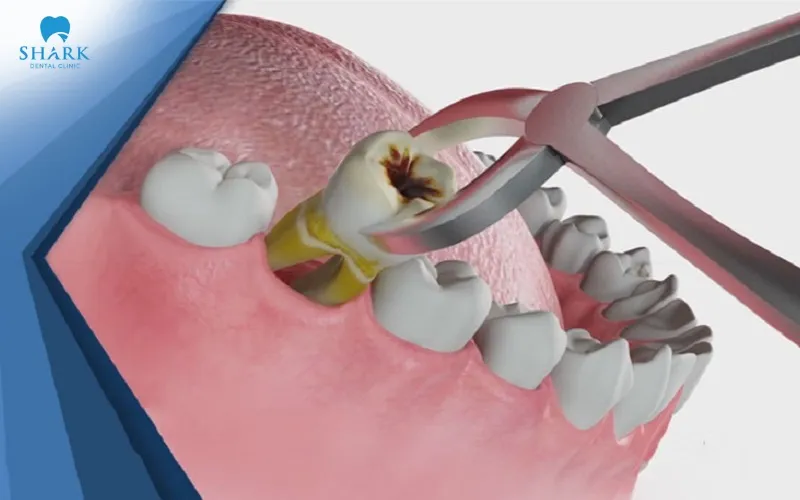
What influences pain during tooth extractions?
Although tooth extraction today is generally more comfortable thanks to modern technology and the use of local anesthesia, the level of discomfort can still vary from person to person. This variation mainly depends on several important factors, including the following:
Location of the tooth
Teeth located in more complex positions, such as wisdom teeth—especially those that are impacted or grow at an angle—are often more difficult to access and require more careful manipulation. Therefore, the extraction process in these cases may lead to greater soreness or discomfort compared to teeth that are in easier, more accessible positions.
Condition of the tooth
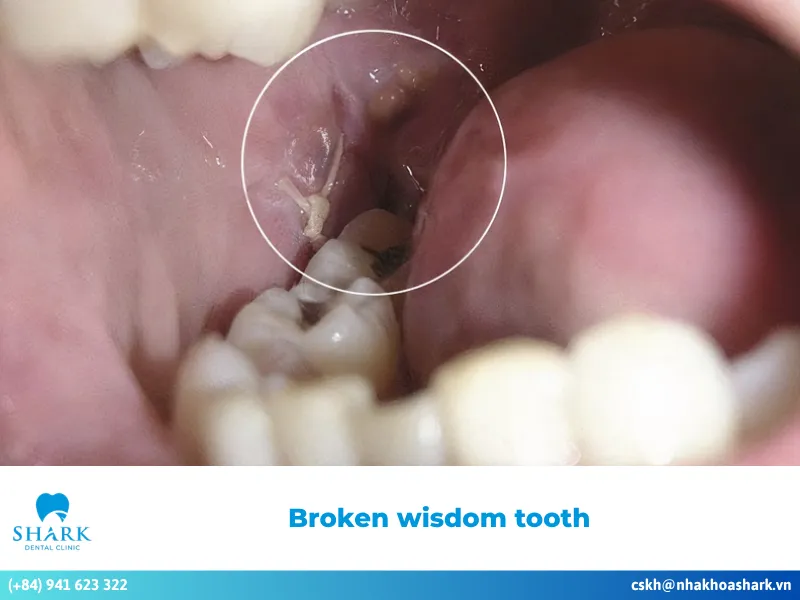
Teeth that are affected by infection, severe decay, large fractures, or roots that are deeply embedded in the jawbone can make the extraction procedure more complicated. In such situations, the dentist may need to perform additional steps or apply more techniques, which can result in increased discomfort after the extraction.
Individual pain sensitivity
Each person has a different physical condition and a different threshold for pain tolerance. Additionally, the way each individual responds to anesthesia is not the same. Because of these differences, the level of pain felt during and after tooth extraction can vary from one patient to another.

Managing post-extraction pain
After a tooth extraction, mild pain and slight swelling are normal responses of the body during the healing process. However, these symptoms can be effectively controlled and minimized with proper care. Below are some safe and practical methods to help relieve discomfort after extraction.
Take medications as prescribed
You should strictly follow your dentist’s instructions when taking pain relievers or antibiotics. Using medication at the correct dosage, frequency, and duration helps control pain more effectively while also preventing infection and supporting the healing process. Avoid self-adjusting the dosage or stopping the medication too early without professional guidance.
Apply ice to reduce swelling
Within the first 24 hours after extraction, you should apply a cold compress to the outside of your cheek for about 15–20 minutes each time, with short breaks in between. This method helps temporarily numb the affected area, reduce swelling, and limit inflammation.

Rest and avoid strenuous activities
After tooth extraction, your body needs sufficient time and energy to recover. You should prioritize rest and avoid intense physical activities, heavy lifting, or strenuous exercise, especially in the first few days. These activities can increase blood pressure, raise the risk of bleeding, and negatively affect the healing process.
Stick to a soft food diet
During the first few days after extraction, it is recommended to prioritize soft, cool, and easy-to-swallow foods such as porridge, soup, yogurt, or smoothies. Reducing chewing pressure helps protect the extraction site and prevents irritation. At the same time, you should avoid hard, spicy, or hot foods, as they may trigger pain, irritate the wound, and slow down recovery.
Avoid straws and smoking
Habits such as drinking through a straw, forceful spitting, or smoking can create suction in the mouth, which may dislodge the blood clot. This clot is essential for protecting the wound and supporting proper healing. If it is disturbed, it can lead to complications such as prolonged pain or dry socket, making recovery more difficult.
Maintain gentle oral hygiene
After about 24 hours, you can start rinsing your mouth gently with warm salt water to help clean the oral cavity and reduce bacteria. However, it is important to rinse lightly and avoid vigorous swishing, as this could interfere with the healing process or dislodge the protective blood clot.

Do lower teeth hurt more to extract than upper teeth?
In practice, lower teeth extractions tend to be more complex and may cause more discomfort than upper teeth extractions, especially in the case of wisdom teeth. This is because lower teeth are more likely to be impacted, grow at an angle, or be located close to important nerves. As a result, the procedure may require more extensive manipulation of the gum and jawbone. After the anesthesia wears off, the pain may feel more noticeable compared to extractions in the upper jaw.
However, the level of pain does not depend solely on the tooth’s position. It is also influenced by the dentist’s expertise and the technology used during the procedure. A highly skilled dentist with precise technique can minimize tissue trauma, thereby reducing pain and shortening recovery time. In addition, modern devices such as Piezotome ultrasonic technology allow for gentle separation of the periodontal ligaments, helping to limit damage to soft tissues and significantly reduce discomfort after extraction.
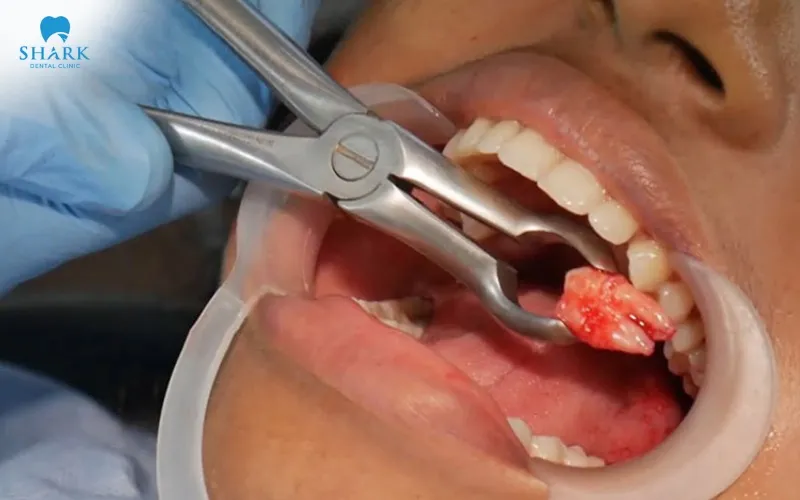
Can I avoid a painful extraction with sedation?
Sedation in dentistry can help reduce anxiety and discomfort, but it cannot completely replace local anesthesia. In reality, to ensure that the procedure is as painless as possible, dentists always use local anesthesia to numb the treatment area. Sedation mainly plays a supportive role, helping patients feel more relaxed, less stressed, and more comfortable throughout the extraction process.
In certain cases—such as patients with high anxiety levels, strong fear of dental procedures, or complex impacted wisdom tooth extraction that require more extensive intervention—the dentist may recommend a combination of both sedation and local anesthesia. This combined approach not only helps control pain more effectively but also minimizes fear and tension, making the overall experience smoother and easier for the patient.

How long does a tooth extraction hurt?
In general, pain and discomfort after extraction are completely normal responses of the body during the healing phase. Typically, the pain becomes most noticeable within the first 2–3 hours after the anesthesia wears off and may last throughout the first day. During this time, the gum tissue begins reacting to the extraction, so you may feel soreness ranging from mild to moderate.
Over the next 2–3 days, the extraction site may become swollen, sometimes reaching its peak level of swelling—especially in more complex cases such as wisdom tooth removal. However, this is a normal part of the healing process, and the pain and swelling will gradually subside if proper care is followed.
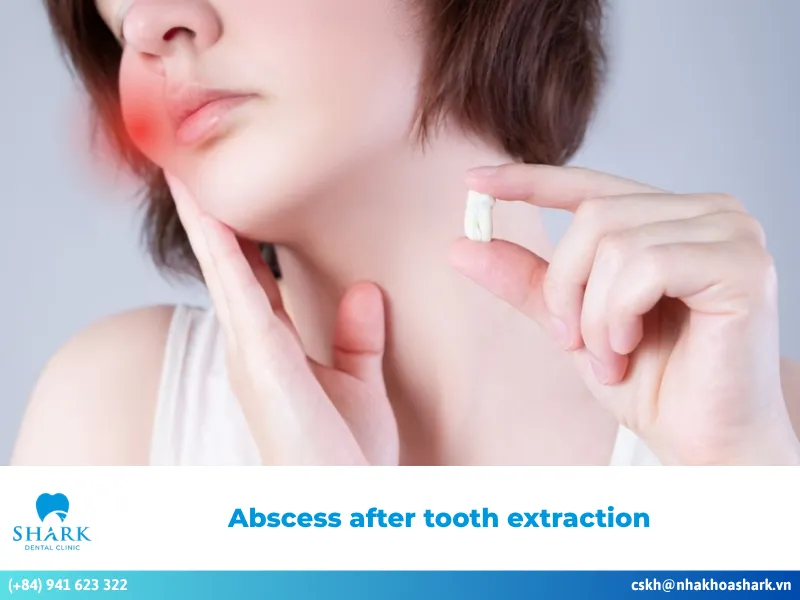
In most cases, after about 3–5 days, the pain significantly decreases and no longer affects daily activities as much. However, if by the fourth day the pain does not improve, or even becomes more severe, or is accompanied by unusual symptoms such as excessive swelling, fever, or pus discharge, you should visit a dental clinic promptly for examination and timely treatment.
>>> See more: Is tooth extraction painful?

Signs of healing vs. signs of concern
After a tooth extraction, carefully monitoring the healing process is extremely important to ensure that the wound heals properly and to detect any potential complications at an early stage. Below are the normal healing signs as well as warning signs that you should pay close attention to and not ignore:
Signs of normal healing
- Mild pain that gradually decreases over time, becoming less noticeable day by day and not significantly affecting your daily activities or comfort.
- The appearance of a white or light yellow layer at the extraction site; this is newly formed healing tissue and is completely normal, not a sign of pus or infection.
- The gum area around the extraction site is not severely swollen, not overly red, and does not produce any unpleasant or persistent odor.
Signs of concern
- Severe pain or sharp, throbbing pain that persists for a prolonged period, especially if it appears or becomes worse after 2–3 days instead of gradually improving.
- An empty or hollow-looking socket, which may occur when the blood clot is dislodged or fails to form properly, leading to delayed healing.
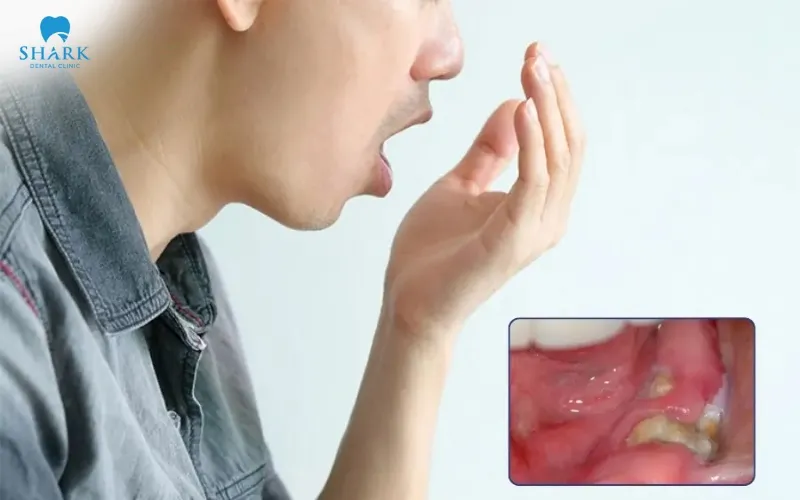
- The presence of persistent bad breath after tooth extraction or an unpleasant taste in the mouth that does not improve over time.
- Swelling and redness that continue to worsen, becoming more serious and showing no signs of reduction or recovery.
In summary, the question “Does tooth extraction hurt?” has been clearly and thoroughly explained by Shark Dental Clinic. In most cases, the level of pain or discomfort will depend on a variety of different factors, such as the condition of the tooth, the technology applied, and the technique performed by the dental team. With the information provided above, we hope that you now have a clearer and more comprehensive understanding of this issue, as well as more practical experience in choosing the most suitable solution for your specific condition, helping you maintain your oral health in the most comfortable and stable state possible.