

Abscess after tooth extraction is an uncommon complication, but it can still lead to significant pain, swelling, and potentially serious effects on the healing process if it is not treated promptly and properly. So, what are the underlying causes of abscess after wisdom tooth extraction, and how can this condition be effectively managed? Let’s explore the detailed information provided by Shark Dental Clinic in the article below to better understand and proactively protect your oral health after extraction.
What happens to a tooth abscess after extraction?
After removing an infected tooth, the healing process begins almost immediately. In cases of abscess after wisdom tooth extraction, once the source of infection is eliminated, the body activates its natural healing mechanisms. At the same time, it continues to fight any remaining bacteria and gradually cleans the affected area over time.
Swelling in the gum may persist for several days or even a few weeks, depending on the size of the abscess and the severity of the infection beforehand. This is a normal part of the healing response and typically improves gradually with proper care.
However, for recovery to proceed smoothly, the extraction site must be properly cared for. If not, the socket can become a favorable environment for bacterial growth, leading to reinfection or even a tooth abscess after extraction. Therefore, patients should carefully follow their dentist’s instructions, including maintaining oral hygiene, changing gauze as directed, and avoiding strong impacts on the extraction area.
In cases involving large abscesses or severe infections, the dentist may prescribe antibiotics to help control bacteria and prevent the spread of infection. This is especially important for individuals with weakened immune systems, as their natural healing ability may be reduced.
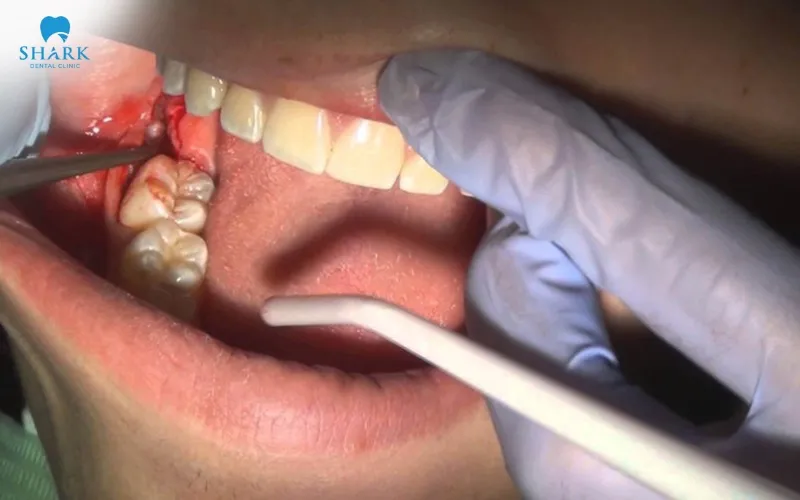
Causes of abscess formation after tooth extraction
An abscess after tooth extraction typically occurs when bacteria invade and multiply at the wound site, especially if the area is not properly protected or cared for after the procedure. Below are some common causes that can lead to this condition:
- Residual bacteria from a previous infection: If the extracted tooth had severe decay or pulp inflammation, bacteria may still remain in the surrounding tissues and continue to cause infection, potentially leading to a tooth abscess after extraction.
- Uncontrolled periodontal disease: Conditions such as gingivitis or periodontitis allow bacteria to spread deeper into the tissues around the tooth, increasing the risk of developing an abscess at the extraction site.
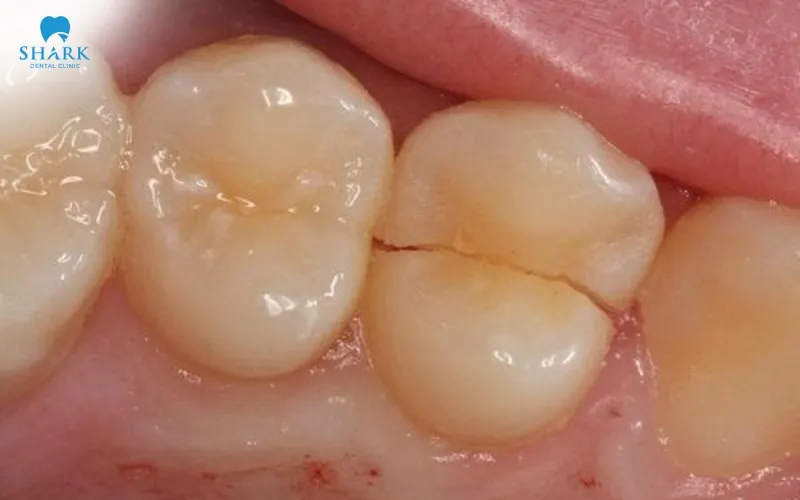
- Cracked or fractured teeth before extraction: These types of damage create pathways for bacteria to penetrate deeper into the tooth structure and surrounding bone, making the area more susceptible to infection after removal.
- Improper oral hygiene after extraction: Not cleaning the mouth properly or failing to follow aftercare instructions can allow bacteria to accumulate and grow within the extraction socket.
- Food debris trapped in the extraction site: Plaque and leftover food particles that are not thoroughly removed can become an ideal environment for bacterial growth and multiplication.
- Weakened immune system: Conditions such as diabetes, cardiovascular disease, or generally low immunity can slow down the healing process and increase the likelihood of infection after extraction.
What are the signs of an infection after a tooth extraction?
After a tooth extraction, if the healing process does not proceed smoothly or is disrupted, bacteria can enter the wound and cause infection at the extraction site. Recognizing early abnormal signs is very important, as it allows you to seek timely care and avoid more serious complications. Below are the most common and noticeable signs of infection after tooth extraction:
- Persistent pain that does not improve: Pain that lasts for a prolonged period and may even gradually worsen over time, instead of decreasing as the wound heals.
- Swelling in the gums and face: The extraction site becomes swollen, and the swelling may extend to nearby areas such as the cheek, jaw, or surrounding tissues.
- Red, inflamed, and sensitive gums: The gum tissue around the socket appears more red than usual, becomes irritated, and may feel tender or tooth extraction painful when touched.
- Pain when chewing or biting: You may experience clear discomfort or sharp pain when applying pressure to the area where the tooth was removed.
- Radiating pain: The pain does not remain localized but may spread to the jawbone, neck, or even the ear, causing a more uncomfortable and widespread sensation.
- Bad odor and bitter taste in the mouth: This indicates that bacteria are actively growing and accumulating in the infected area, leading to an unpleasant smell and taste.
- Pus or discharge from the gums: There may be visible sores, swelling points, or small openings where fluid or pus drains from the extraction site.
- Fever, chills, and fatigue: These are general body symptoms that may appear when the infection begins to spread beyond the local area.
- Swollen lymph nodes: Lymph nodes in the neck or under the jaw may become enlarged, tender, and painful, indicating the body is responding to infection.

How to prevent abscess after wisdom tooth extraction?
Proper oral care plays a very important role in preventing infection and reducing the risk of abscess after impacted wisdom tooth extraction. By following the right care routine, you can effectively protect the extraction site and support a smoother, faster healing process. Below are some simple yet effective measures you should follow:
- Maintain the habit of brushing your teeth twice a day, using a soft-bristled toothbrush and proper brushing technique. In the first few days, avoid brushing directly on the extraction site to prevent irritation or damage to the healing tissue.
- Clean between your teeth daily by using dental floss or a water flosser. This helps remove plaque and leftover food particles in hard-to-reach areas, limiting bacterial growth in the oral cavity.
- Replace your toothbrush regularly, ideally every three months or sooner if the bristles become worn or frayed, to ensure optimal cleaning effectiveness.
- Use an appropriate mouthwash as part of your daily routine. It is recommended to choose mouthwash containing fluoride or solutions prescribed by your dentist to help reduce bacterial buildup.
- Maintain a balanced and healthy diet by limiting sugary foods and avoiding frequent snacking between meals. During the early recovery period, prioritize soft, easy-to-chew best foods after tooth extraction to avoid putting pressure on the extraction site.
- Attend follow-up appointments and regular dental check-ups as scheduled. This allows the dentist to monitor the healing progress closely and provide timely treatment if any unusual signs or complications appear.

Treatment methods for tooth abscess after extraction
When an abscess after tooth extraction occurs, seeking early dental care is extremely important to control the infection effectively and prevent potential complications from developing. In most cases, the dentist will carry out a thorough clinical examination combined with X-rays to accurately assess the extent and severity of the infection. Based on these findings, an appropriate and individualized treatment plan will be developed for each specific situation.
- Incision and drainage of the abscess: In the acute stage, the dentist will create a small incision at the abscess site to allow the accumulated pus to drain out. This procedure helps relieve pressure within the tissue, significantly reduces pain, and helps reduce the bacterial load.
- Cleaning and infection control: After the drainage process, the affected area will be carefully and thoroughly cleaned to eliminate any remaining bacteria and inflamed tissue. This step plays a crucial role in preventing the infection from persisting and supports a more favorable healing environment.
- Use of antibiotics and anti-inflammatory medications: The dentist may prescribe antibiotics to control and eliminate bacterial growth, along with pain relievers and anti-inflammatory medications to reduce swelling, ease discomfort, and prevent the infection from spreading to surrounding areas.
- Managing any remaining infection: In certain cases, if infected tissue or retained root fragments are still present after extraction, the dentist will perform additional treatment to completely remove these sources of infection and prevent recurrence of the abscess.
- Monitoring and follow-up visits: After treatment, patients are advised to attend scheduled follow-up appointments so the dentist can closely monitor the healing progress and promptly detect and manage any abnormal signs if they arise.

In summary, an abscess after tooth extraction can occur when bacteria invade the extraction site due to poor oral hygiene, retained root fragments, or pre-existing infection. This condition may lead to severe pain, fever, and noticeable gum swelling if not managed properly. With the information provided above, Shark Dental Clinic hopes to help you better understand this oral health condition, giving you more helpful information in caring for and protecting your dental health in a safe and effective way.