


Jawbone loss is one of the most serious oral complications, commonly occurring after tooth loss or when damaged teeth lose their function, causing the tooth roots to gradually resorb. There are various solutions to address this condition. Among them, whether dental implants with bone loss or bone grafting dental implants can be performed is a concern for many people. Let’s explore the details in the article below!
Can dental implants be placed in patients with bone loss?
Patients with jawbone loss can still receive dental implants to restore chewing function and improve aesthetics. However, if the jawbone has experienced severe resorption, making the structure too weak or lacking sufficient volume to support an implant, dental implants may not be possible. In such cases, alternative treatment options will be recommended based on professional evaluations.
At reputable dental clinics, dentists conduct thorough examinations of the patient’s oral condition before performing dental implants. Many international patients choose a dental implant in vietnam for comprehensive care. Patients will also go through a series of diagnostic imaging tests to accurately assess the status of their jawbone.
- X-ray Imaging: X-ray images allow dentists to evaluate the overall condition of the jawbone, the extent of any bone loss, and the status of adjacent teeth.
- Cone Beam CT Scan: Cone Beam CT scans provide highly detailed 3D images of the jawbone structure. This information enables dentists to assess bone thickness and develop effective treatment plans.
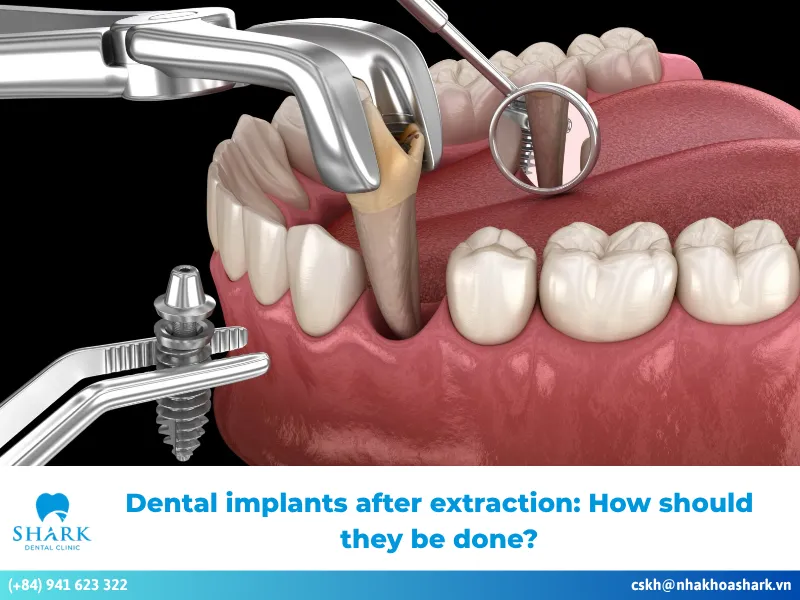
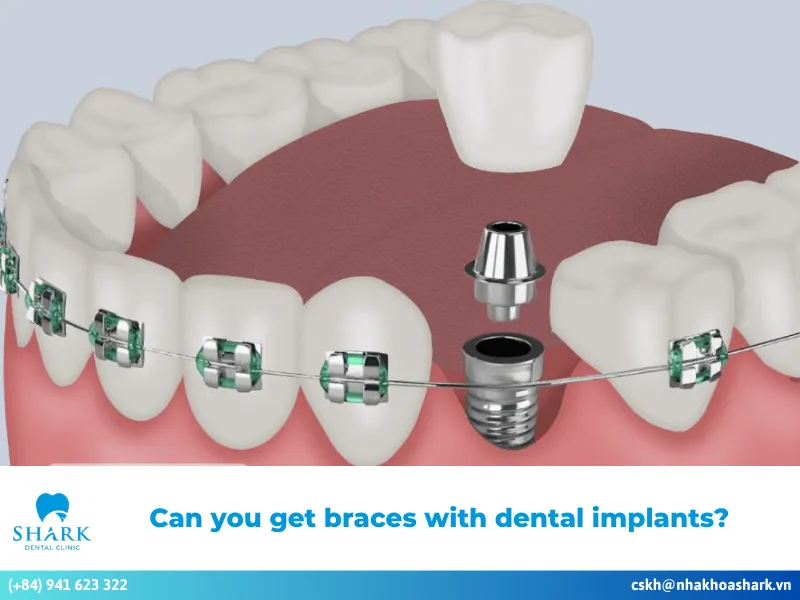
If bone loss is minimal, the dentist may proceed with implant placement directly into the jawbone. Once the implant integrates with the bone, a permanent dental crown will be attached. Conversely, if bone loss is significant, the dentist may recommend bone grafting or sinus lifts for dental implants before proceeding with placement.
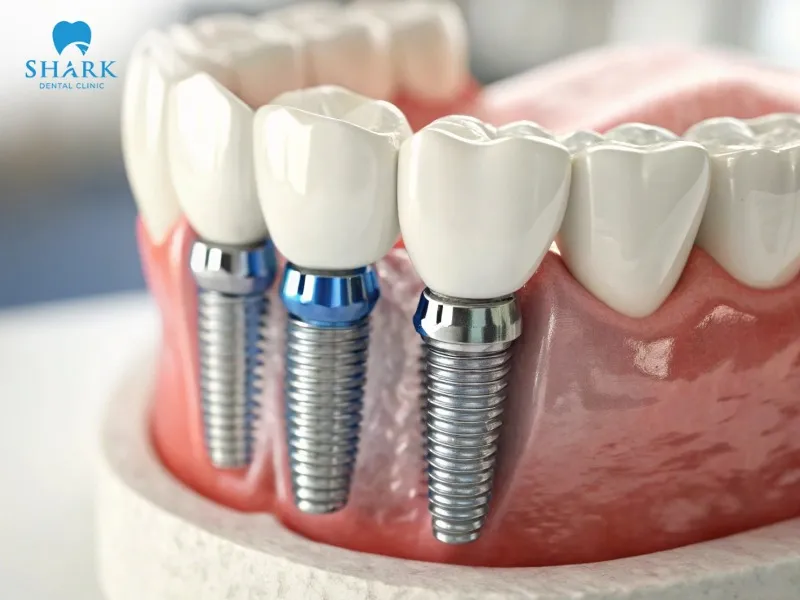
Advantages and challenges of implant placement in bone-deficient areas
Dental implant treatment for patients with bone loss has both advantages and challenges, which can vary from case to case:
Advantages
- Aesthetic improvement: Bone loss can result in facial imbalance, sunken cheeks, and a reduction in facial firmness. However, one of the distinct benefits of dental implants is that after placement, these issues can be significantly improved, enhancing overall facial aesthetics.
- Restored chewing function: Dental implants are stable and can effectively integrate with the jawbone. After restoration, chewing function can return to a level comparable to that of natural teeth. This makes them a superior choice for missing teeth replacement.
- Prevention of tooth shifting: For patients with bone loss, dental implants help prevent neighboring teeth from shifting, tilting, or drifting out of position when indicated.
- Jawbone stimulation and development: In many cases, the placement of implants, along with the restoration of chewing function, helps keep the jawbone active, stimulating bone growth and supporting effective bone development.

Challenges
- Risk of implant rejection: Severe bone deficiency and a weak jawbone structure are leading causes of implant instability and the risk of rejection after restoration.
- Further bone density reduction: If dental implants are placed in inadequate conditions, jawbone density may continue to decrease significantly.
- Risk of complications: When an implant is rejected and the jawbone is damaged, bacteria can more easily invade, increasing the risk of infection and leading to serious complications.

Pre-treatment and post-treatment considerations
Placing dental implants in patients with bone loss is a complex procedure that requires careful execution. Here are some important considerations before and after dental implant surgery:
Before dental implant placement
- Diagnostic imaging: Patients must undergo X-rays and CT scans to assess the extent of jawbone loss. This crucial step enables the dentist to create an appropriate treatment plan and ensure safety throughout the dental implant procedure.
- Control of underlying medical conditions: Patients should have regular medical check-ups and adhere to prescribed medications or treatments for conditions such as diabetes, hypertension, and cardiovascular diseases.
- Eliminating harmful habits: Prior to the dental implant procedure, patients should discontinue harmful habits like smoking and excessive consumption of carbonated drinks, tea, and coffee. Stimulants from cigarette smoke and sugary or carbonated beverages can hinder blood circulation and negatively impact the effectiveness of dental restoration.

After dental implant placement
- Monitoring symptoms: Following implant placement, patients should watch for signs such as tooth pain, gum swelling, or bleeding, which can sometimes mimic the symptoms of loose dental implant crown. Applying cold compresses and taking prescribed medications as directed by the dentist can help alleviate these symptoms.
- Oral hygiene: Patients must continue their daily oral hygiene practices, including brushing and rinsing, to remove food debris and residual bacteria.
- Nutritional care: It’s important to maintain a balanced diet, focusing on soft, well-cooked, and easy-to-swallow foods that are gentle on the digestive system.
- Follow-up visits: Patients must attend scheduled follow-up appointments at the dental clinic. These visits allow the dentist to assess bone integration and make timely adjustments if any abnormalities arise.

Clinical indications and contraindications
While dental implants are a popular tooth restoration option, they are not suitable for everyone. Dental implants are indicated for patients experiencing bone loss due to infection, provided the jawbone structure remains stable.
However, implant placement is contraindicated for patients with uncontrolled diabetes, hypertension, cardiovascular disease, pregnant women, and those with untreated acute infections. The dentist will recommend an appropriate dental restoration plan based on each individual’s health condition.

Long-term prognosis and expected outcomes
Dental implants for patients with bone loss typically last around 20–25 years, providing a reassuring answer to the question of how long do dental implants last. The titanium dental implant post is designed to be extremely durable, capable of fully integrating with the jawbone to offer hardness and load-bearing capacity similar to natural teeth.
However, in patients with weak jawbone structures who do not meet the conditions for implant placement, the implant post may become unstable or be rejected over time. This can negatively affect the implant’s lifespan and compromise oral health and aesthetics.
Additionally, the longevity of dental implants is influenced by factors such as the quality of materials used, the dentist’s expertise, and the patient’s daily oral care and hygiene habits.
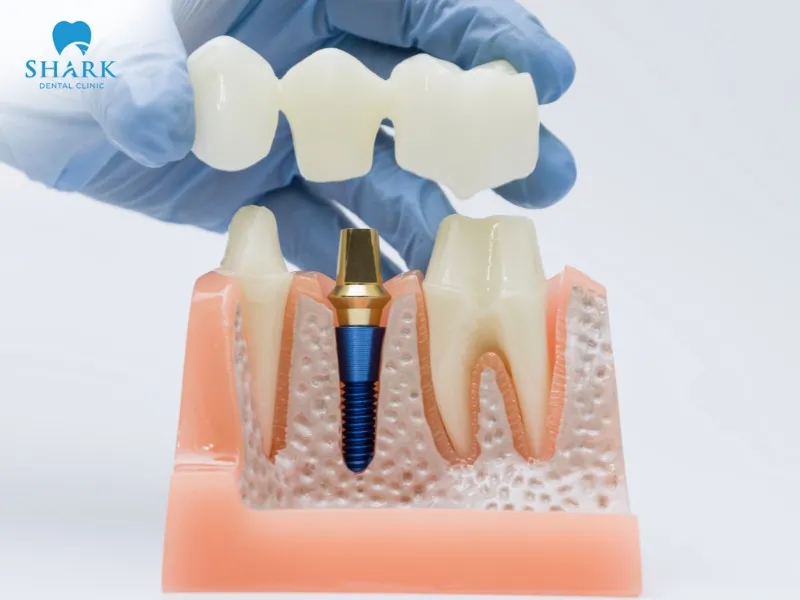
In summary, successfully placing dental implants with bone loss is possible, but their suitability depends on the patient’s oral condition and the dentist’s professional evaluation. We hope this information helps you better understand dental implant treatment. Be sure to choose a reputable dental clinic to achieve strong, healthy, and aesthetically pleasing teeth.