
After a tooth extraction, your body needs time to rest, and the extraction site also requires proper care and hygiene. Many people wonder, can I brush my teeth after tooth extraction? To get a clear and accurate answer, let’s take a look at the advice shared by dental specialists at Shark Dental Clinic.
Can I brush my teeth after tooth extraction? Post-operative oral hygiene guide
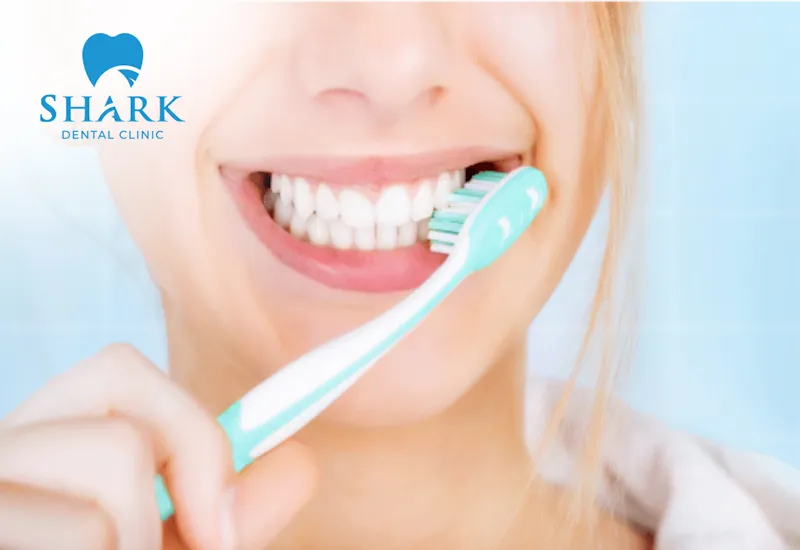
After a tooth extraction, it is possible to brush your teeth, but it’s important to wait about 6 to 24 hours to allow the blood clot in the socket to stabilize and form properly. During this initial period, you should brush very gently and avoid applying strong pressure on the extraction site to prevent irritation or disruption to the healing process.
For safety reasons, you should refrain from brushing altogether in the first 24 hours following the extraction and use gauze to control any bleeding instead. If you need to rinse your mouth, it must strictly adhere to your dentist’s instructions. Additionally, patients should follow these oral hygiene guidelines:
- Brush gently, avoiding the extraction site to prevent trauma to the wound.
- Strictly follow your dentist’s post-operative care instructions.
- Use moderate pressure with a soft-bristled toothbrush.
- Change gauze dressings as directed to promote faster healing.
- Avoid toothpicks or sharp, hard objects that might irritate the wound or lead to infection.
>>> See more: Can I eat donuts after wisdom teeth removal?
Risks and mistakes: Can I brush my teeth after tooth extraction too vigorously?
Brushing incorrectly after a tooth extraction can negatively affect your oral health and delay healing. Common risks include:
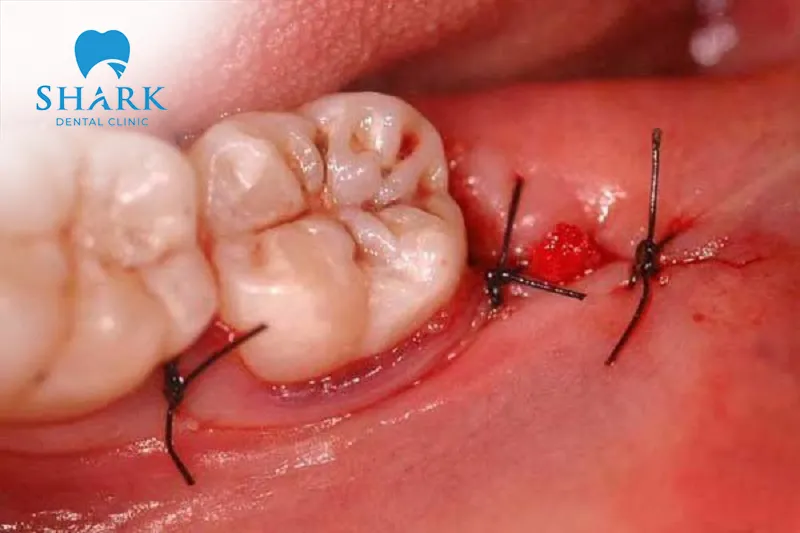
The danger of dislodging the blood clot (dry socket)
After extraction, the socket is vulnerable and requires time to heal. Vigorous brushing or accidental contact with the socket can dislodge the blood clot, leading to excessive bleeding and complicating recovery.
Mechanical trauma to the healing granulation tissue
Improper brushing can damage newly forming blood vessels, causing continuous bleeding and potentially injuring the gums and surrounding soft tissues, which increases the risk of dental complications.
Infection risks from bacterial transfer during brushing
Brushing too soon or too forcefully can reopen the wound, allowing bacteria to spread to adjacent teeth and tissues, which may result in infections. You can refer to how to use Amoxicillin after tooth extraction to prevent this condition.
Proper technique: How can I brush my teeth after tooth extraction safely?
To brush safely after tooth extraction, timing and technique are essential. Only resume brushing after 24 hours, and always avoid direct contact with the extraction site to protect the blood clot.
- Use a soft-bristled toothbrush to minimize gum irritation.
- Choose fluoride toothpaste to help prevent cavities and support enamel remineralization.
- Avoid hard or sharp objects that could injure the socket and lead to infection.
- Do not use dental floss around the recently extracted area.
- Change gauze regularly to reduce discomfort and protect the socket.
- Consume soft, easy-to-digest foods and avoid chewing on the extraction side.
- Stay hydrated by drinking plenty of water to keep your mouth moist and clean.
- Monitor your healing closely and contact your dentist immediately if you experience any unusual symptoms.
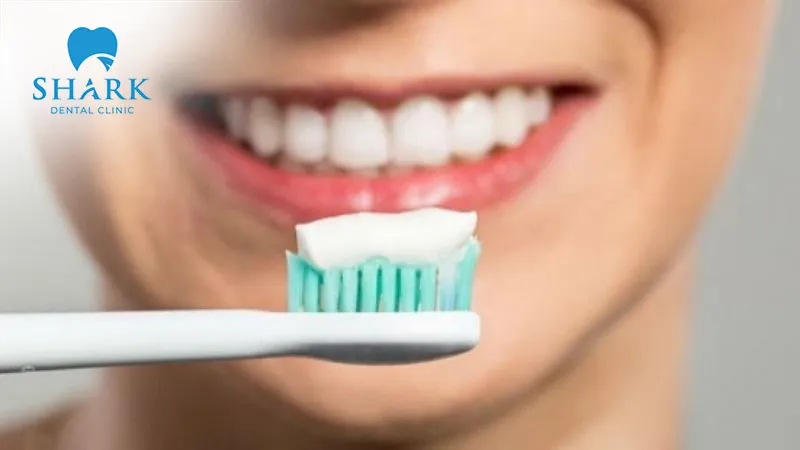
Hygiene alternatives for patients asking “Can I brush my teeth after tooth extraction?”
Maintaining oral hygiene after a tooth extraction is crucial. However, instead of brushing your teeth as you normally would, consider safer alternatives during the initial healing phase, such as warm salt water rinses or gentle wiping with gauze. Always follow your dentist’s instructions.
Warm salt water rinses (timing and technique)
Salt has natural antibacterial properties that help clean the mouth and reduce inflammation. To ensure you receive the full benefits of salt water rinse after tooth extraction, dentists often recommend warm rinses to maintain oral cleanliness and prevent infection.
Prescribed chlorhexidine gluconate mouthwashes
After the extraction, your dentist may advise gentle rinsing with diluted salt water or mouthwash containing Chlorhexidine Gluconate. Avoid using very cold water or strong cleansing solutions, as these can disrupt the blood clot and delay your healing process.

Using gauze or a clean cloth for gentle wiping
After an extraction, blood residue may remain in your mouth. Instead of brushing, you can use gauze or a clean cloth to gently wipe the oral cavity. This method minimizes irritation to the wound or a potential bone spicule after tooth extraction, helps stabilize the wound, and supports a safer recovery.
If you’re wondering, “Can I brush my teeth after tooth extraction?” the answer is yes— but only at the right time and with proper care. Following your dentist’s guidance on oral hygiene and nutrition will help prevent irritation and promote faster healing. If you have any concerns, contact Shark Dental Clinic for prompt consultation and professional support.
If you have any concerns, consider seeking professional advice from a clinic specializing in tooth extraction in Ho Chi Minh City.
>>> See more: Can I eat Chipotle after wisdom teeth removal?