


In addition to effectiveness and safety, the cost of dental bridge vs implants is also a concern for many people. The following article will provide you with additional data to evaluate the treatment costs of these two methods. From there, you can make a well-informed and appropriate decision. Let’s explore it together right away!
Dental bridge vs implant cost: A financial and clinical comparison
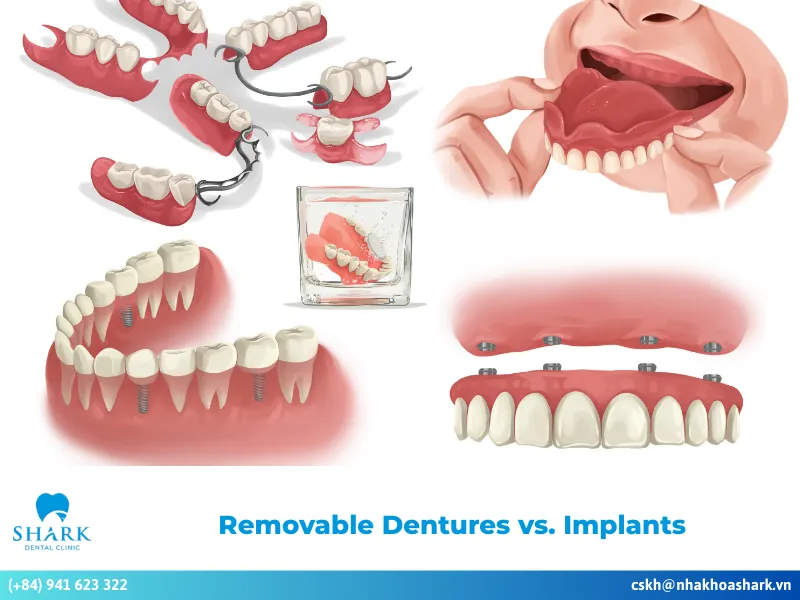
Both dental bridges and dental implants are effective solutions for restoring tooth function, improving chewing ability, and enhancing communication. In addition to clinical outcomes, dental bridge vs implant cost is a significant factor influencing patients’ treatment decisions. Many patients considering missing teeth replacement options weigh these factors carefully.
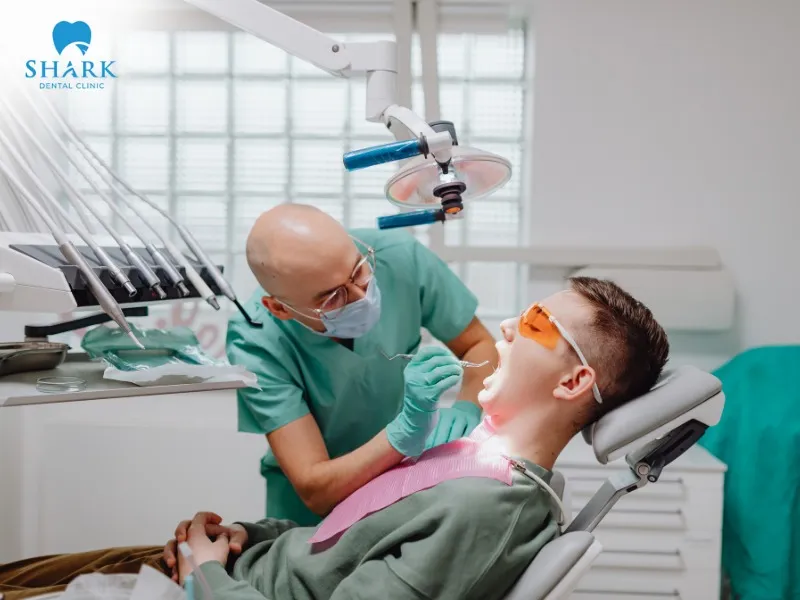
Below is a detailed comparison of the cost of dental bridge vs implants for your reference:
| Cost | Dental implants | Dental bridges |
| Initial cost | For dental implants, the cost of each implant post typically ranges from 12,000,000 to 46,000,000 VND per implant. This price varies significantly depending on the implant brand. | Dental bridges generally cost between 10,000,000 and 30,000,000 VND, depending on the material used, such as metal-ceramic, all-ceramic, or premium ceramic bridges. |
| Overall cost over time | Dental implants offer exceptional durability and longevity. For patients wondering “how long do dental implants last” the answer is often 20–40 years or even longer. As a result, patients usually only need to invest once, with minimal additional costs over time. | Dental bridges have an average lifespan of 5–10 years. After this period, replacement is often required, leading to repeated expenses. Additional costs may also arise, such as removing old restorations or extracting supporting teeth. |
From this comparison, it is evident that while the short-term cost of dental bridges is lower, dental implants offer greater durability and longevity in the long term, ultimately reducing overall treatment costs.
Individuals should consult with a dentist to determine the most suitable restorative option based on their needs, financial situation, and oral health status.

Factors that influence the cost of dental bridge vs implants
Several important factors affect the cost of dental bridges and implants:
- Dentist’s expertise: The dental implant procedure requires a high level of skill, professional knowledge, and experience to ensure precise planning and successful outcomes. Although dental bridges involve lower technical demands, they still require careful evaluation of jawbone density, nerve positions, and clinical precision.
- Technology and equipment: Advanced dental technologies and equipment, such as Cone Beam CT 3D imaging systems and implant simulation software, directly impact the cost of both implant placement and dental bridge treatment.
- Dental materials: The price for various types of dental implants can vary significantly based on their origin—whether from Korea, the United States, or Switzerland. Similarly, all-ceramic dental bridges tend to be more expensive than metal-ceramic options.
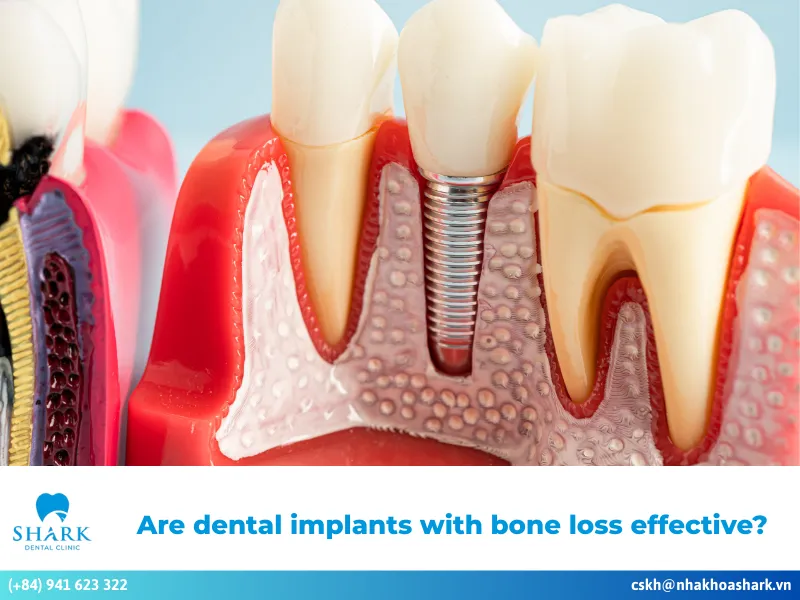
- Oral health condition: Treatment costs may increase if patients have underlying dental issues, such as tooth decay, periodontal disease, or jawbone resorption—a critical factor when considering dental implants with bone loss. These conditions must be addressed before any restorative procedures can begin.
- Case complexity: While both dental implant placement and dental bridge fabrication follow standardized protocols, the complexity of each individual case can significantly influence the final cost.
- Dental clinic: Each dental clinic establishes its pricing based on various factors, including staff expertise, infrastructure, equipment quality, promotional programs, and service policies.
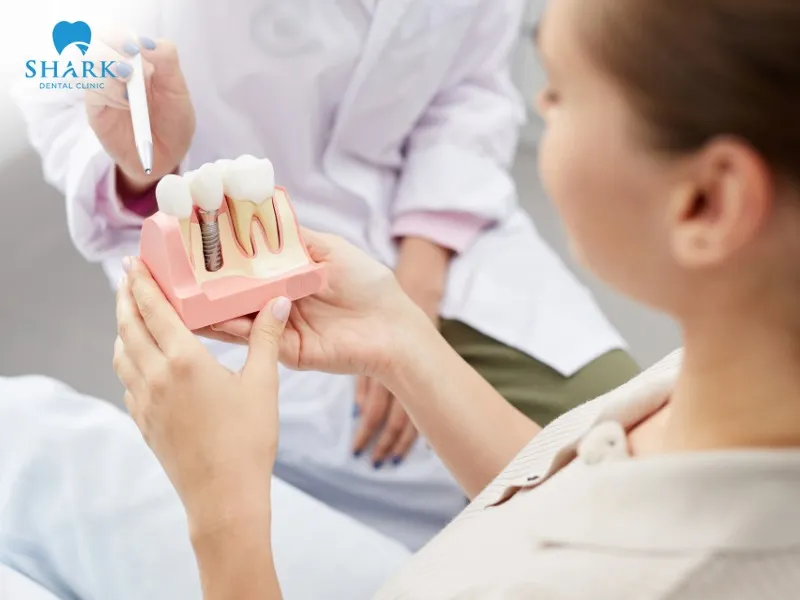
Safety considerations and clinical limitations
When comparing dental implants and dental bridges, both methods offer distinct benefits but also come with specific safety considerations. Specifically:
- Durability and lifespan: Once integrated with the jawbone, dental implants can last 20 to 40 years or even longer. In contrast, dental bridges typically become loose or fracture after 5 to 10 years of use and often require removal and replacement, which incurs additional time and financial costs.
- Risk to natural teeth: A significant clinical risk associated with dental bridges is the potential loss of adjacent natural teeth. In some cases, dentists may need to prepare or even extract neighboring teeth to ensure proper support for the bridge, which can compromise the structure of healthy teeth.
- Jawbone resorption: Dental bridges cannot prevent jawbone resorption in the area of missing teeth. On the other hand, dental implants are considered the optimal solution for limiting bone loss because they stimulate the jawbone in a manner similar to natural tooth roots.
- Risk of infection: Dental bridges can create small gaps beneath the restoration, providing ideal spaces for food debris and bacterial accumulation. This increases the risk of inflammation and infection in the oral cavity if oral hygiene is not carefully maintained.

Things to avoid when evaluating dental bridge vs implant cost
Before reviewing prices and deciding between dental implants and dental bridges, patients should avoid the following common mistakes when assessing costs:
- Avoid making decisions based solely on price: Instead, consider your actual oral condition and consult with a dentist. From a long-term perspective, dental implants often provide better overall value, despite higher initial costs.
- Do not overlook potential additional expenses: These may include diagnostic examinations, treatment of existing oral diseases, or future repairs and replacements of bridges or implant components.
- Avoid ignoring real-life functionality and comfort: Consider chewing efficiency, overall stability, and whether the restoration feels natural or causes discomfort during daily use.
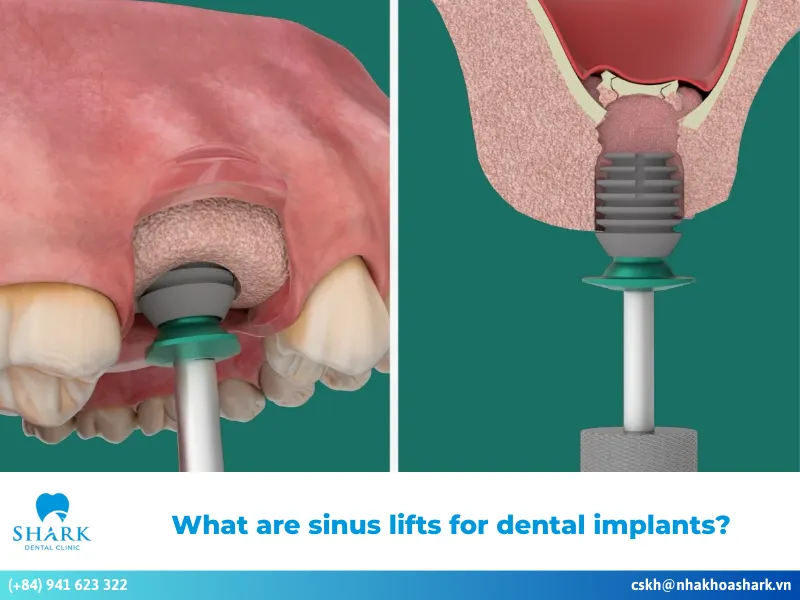
- For patients experiencing jawbone resorption: Carefully consider dental implants. If bone loss has progressed significantly, additional procedures such as bone grafting or sinus lifts for dental implants may be required, which can increase the total treatment cost.
- Avoid choosing low-quality dental materials: Opting for substandard materials to reduce upfront expenses can lead to gum irritation, soft tissue inflammation, or long-term complications.
- Do not neglect the importance of selecting a reputable dental clinic: Beyond costs, the credibility of the clinic, the expertise of the dentist, and the availability of modern equipment are crucial for ensuring safe procedures and successful, long-lasting outcomes.

This information provides a comprehensive overview of the cost of dental bridge vs implants, including safety considerations, clinical limitations, and practical guidance. With this knowledge, patients can better evaluate their options and make informed decisions that align with both their oral health needs and long-term financial goals.