

Dental fillings are commonly used to treat tooth decay, minor cracks, or chipped teeth. So, how long after filling can I eat normally, and what should you pay attention to after the procedure? To fully answer these questions, please read the detailed content in the article below!
How long after filling can I eat?
After completing a dental filling procedure, it’s generally recommended to wait about 1–2 hours before eating to allow your body to recover. Dental fillings are a routine procedure that typically do not come with strict dietary restrictions.
- Amalgam: This traditional filling material requires about 23–24 hours to fully harden and bond securely to the tooth. After this time, you can eat normally, but it’s wise to choose soft, easy-to-chew foods for your first meals.
- Composite: Composite tooth filling is a synthetic material that is durable and closely resembles the color of natural teeth. It hardens immediately after being light-cured during the procedure, but it’s still advised to wait at least 2 hours before resuming normal eating. normal eating.
- Ceramic: If a ceramic material is used for the filling, you can generally eat normally soon after the procedure. Ceramic is very hard and sets quickly, ensuring proper chewing function.

Factors that affect when you can eat after a dental filling
The time at which you can resume normal eating after receiving a dental filling can vary from person to person. Several factors influence this timing, including:
- Type of filling material: Different filling materials have unique advantages, disadvantages, and setting times. Thus, the recommended waiting time before eating differs based on the type of material used.
- Size of the filling: If you are treating a small cavity with a small filling, the material will typically harden more quickly. In this case, you may be able to return to normal eating sooner.
- Duration of anesthesia wear-off: Each person’s body responds differently to local anesthesia. Some individuals regain normal sensation in their lips and tongue within 1 to 2 hours, allowing them to eat comfortably.
- Oral health condition: If you experience tooth sensitivity after filling or persistent pain, you may need additional time for recovery and oral care. This can make eating more difficult during the initial period.
Risks of eating too soon after a dental filling
Post-filling dietary habits play a crucial role in recovery and in ensuring the stability and durability of the filling. Eating too soon or incorrectly after a dental filling may lead to several risks:
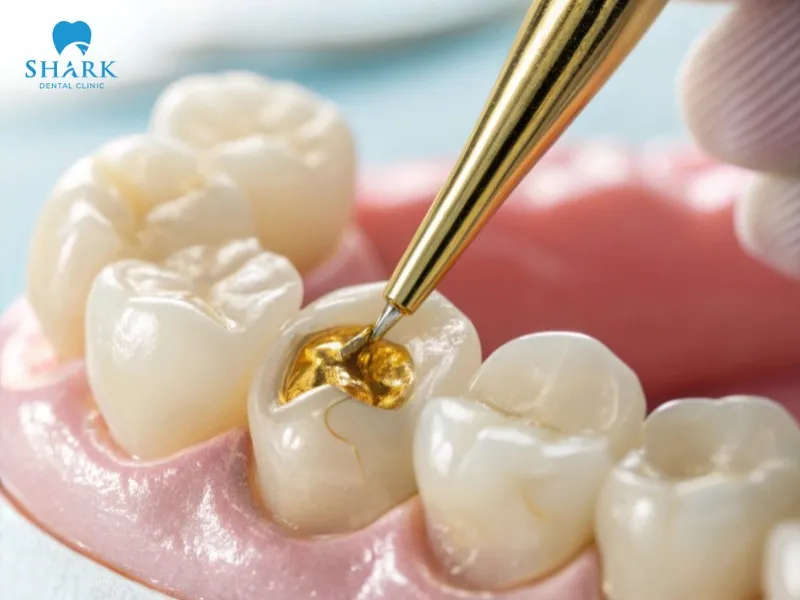
- Filling dislodgement: If the filling material has not yet bonded firmly to the tooth surface, strong chewing forces can cause the filling to loosen, leading to a frustrating scenario where the tooth filling fell out prematurely.
- Soft tissue injury: Eating too soon while the anesthesia is still in effect may prevent you from fully sensing your lips, cheeks, or tongue. This increases the risk of accidentally biting soft tissues, leading to oral injuries.
- Tooth sensitivity and pain: Consuming very hot or cold foods shortly after receiving a filling can trigger irritation. As a result, some patients might experience prolonged tooth sensitivity or pain, leading them to wonder “why does my tooth filling hurt after months” if the issue fails to resolve and interferes with daily activities.
- Oral infection: Applying strong chewing forces before the filling has fully set can allow food particles and bacteria to penetrate small gaps around the filling. This can lead to tooth decay, and in more severe cases, persistent oral infections.
What to eat and avoid after a dental filling?
The time at which you can resume normal eating after receiving a dental filling can vary from person to person. When planning what to eat after tooth filling, keep in mind that several factors influence this timing, including:
Foods to avoid immediately after a dental filling
- Hard and chewy foods: Candies, nuts, overly chewy beef, and similar foods place significant pressure on the oral cavity and may cause the filling to crack or break. Therefore, you should avoid these foods during the early period after a dental filling.
- Sticky and adhesive foods: Chewing gum, sticky rice, and similar foods have high adhesiveness and can easily get stuck between teeth, potentially pulling the filling out of its original position. These foods may also lodge in interdental spaces, making oral hygiene more difficult.
- Very hot or very cold foods: After a dental filling, you should avoid foods that are extremely hot or cold. Such foods can irritate the oral environment and increase the risk of tooth sensitivity and discomfort.

Safe foods to eat after a dental filling
- Porridge, soups, and broths: Soft-cooked porridge and soups are easy to consume and nutritionally balanced, making them excellent choices after a dental filling. You can enhance them with minced meat and finely chopped vegetables for added nutrients that support recovery.
- Fruits and smoothies: Options like avocado, banana, and papaya smoothies are high in vitamins, which can help reduce inflammation, aid digestion, and promote overall oral health.
- Steamed eggs: Steamed eggs are rich in protein, which aids recovery after a dental filling. Their soft texture makes them easy to eat and gentle on the digestive system.

Beverages to avoid after a dental filling
- Carbonated soft drinks: These beverages contain sugar and acids, which can promote bacterial growth. This bacterial activity may erode tooth enamel and diminish the durability and shine of the filling material.
- Dark-colored beverages: Composite filling materials are more susceptible to staining compared to natural tooth enamel. Therefore, it’s advisable to avoid beverages like tea and coffee after a dental filling to reduce the risk of tooth discoloration.
- Highly acidic fruit juices: Certain juices, such as lemon, orange, and grapefruit, contain high levels of natural acids. These acids can irritate the gums and soft tissues in the mouth. It’s best to limit the consumption of acidic fruit juices during the initial recovery period after a dental filling.
- Coffee: In addition to being acidic, coffee contains a significant amount of caffeine, which can stimulate sensory nerves and might contribute to tooth discoloration if consumed regularly.

We hope this article has clarified the common query “how long after filling can I eat” and which dietary choices are best. Maintaining a balanced diet and following your dentist’s instructions will help ensure the longevity of your filling while minimizing the risk of discomfort, tooth sensitivity, and serious oral infections.