

Having a bright, confident smile is a common desire for many people today. In addition to popular teeth whitening methods, using teeth whitening chewing gum has also attracted a lot of attention. So how effective is this method really? What are its advantages and disadvantages? The article below will help you better understand this topic!
What is teeth whitening chewing gum?
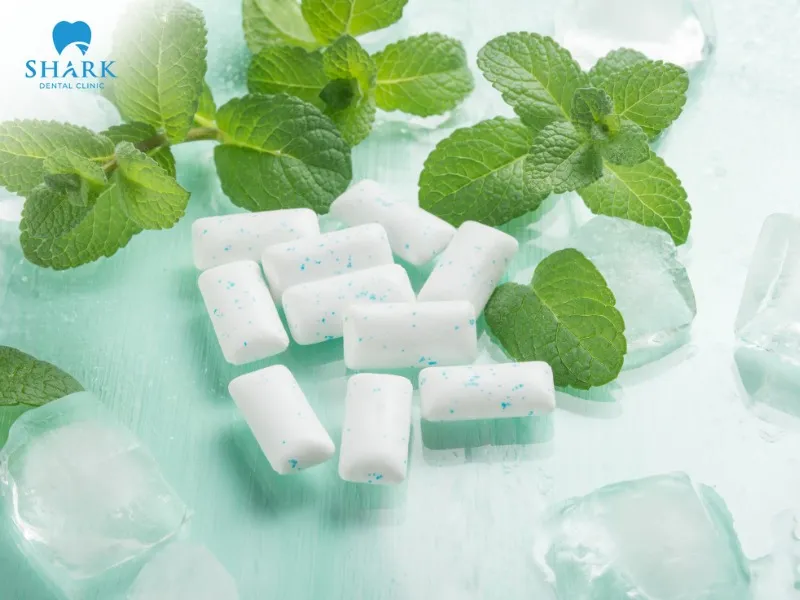
Teeth whitening chewing gum is a product designed to help reduce yellowing and dark stains on the surface of your teeth. Unlike regular chewing gum, whitening gum typically contains ingredients like Titanium Dioxide and Sodium Bicarbonate, which effectively remove plaque from the tooth surface.
Additionally, whitening chewing gum may feature active components like citrate or citric acid, which act as mild abrasives. These substances help break down the structure of surface stains, contributing to a brighter and more confident smile. Regularly chewing whitening gum can help improve mild tooth discoloration, making it one of the commonly discussed options when searching for the best whitening gum.
Advantages and limitations of teeth whitening chewing gum
Using teeth whitening chewing gum has several notable benefits, as well as some limitations:
Advantages
- Prevents tartar formation: Regular chewing helps clean the mouth and effectively reduces tartar buildup. This can lead to noticeable improvements in tooth discoloration and dullness.
- Stimulates saliva production: Chewing gum increases saliva flow, which helps neutralize excess acids in the mouth and limits the growth of harmful bacteria.
- Helps prevent tooth decay: Whitening chewing gum that contains xylitol can reduce the risk of cavities. Frequent chewing aids in tooth cleaning, lowers the chance of decay, and promotes fresher breath.
Limitations
- Chewing gum does not effectively whiten long-standing or deeply embedded stains on the tooth surface.
- Excessive chewing may lead to jaw muscle fatigue, and in severe cases, can contribute to temporomandibular joint (TMJ) issues if chewed with too much force.
- Whitening chewing gum cannot replace professional teeth whitening treatments. Without proper oral hygiene, frequent gum chewing alone may still result in tooth decay and gum inflammation.

Considerations before and after using teeth whitening chewing gum
Before chewing whitening gum
- Choose products from reputable brands and opt for chewing gum that contains xylitol instead of regular sugar.
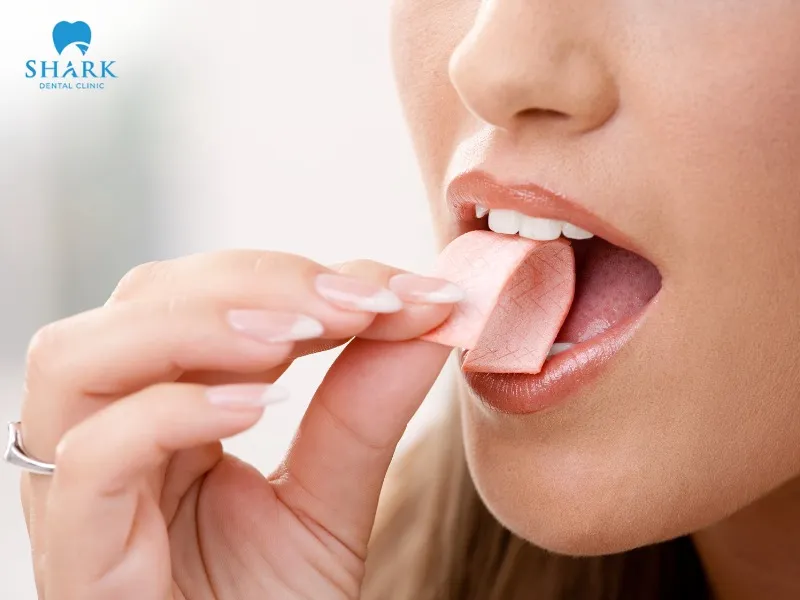
- Chew whitening gum after meals or after consuming tea or coffee. At this time, the active ingredients help remove plaque from the tooth surface and reduce discoloration.
- Chew with the appropriate frequency and use gentle force to avoid damaging soft tissues or irritating the gums.
>>> See more: How long after teeth cleaning can I drink coffee?
After chewing whitening gum
- Stop chewing after about 15–20 minutes to prevent excessive strain on the jaw muscles.
- Rinse your mouth with clean water or a saline solution after chewing to remove any remaining additives.
- Be cautious not to overuse teeth whitening chewing gum, as excessive use may negatively impact your oral health.
Indications and contraindications for use
Indications for using teeth whitening chewing gum
- Individuals who wish to maintain whiter teeth after professional whitening treatments, as it can help reduce the risk of food and beverage stains returning.
- People who frequently consume dark-colored foods or beverages, such as tea or coffee, as it serves as a convenient and effective method for oral hygiene support.
- Individuals who communicate often and want to maintain fresh, pleasant breath for greater confidence in daily interactions.
Contraindications for using teeth whitening chewing gum
- People undergoing orthodontic treatment: Those wearing braces should avoid chewing gum, as its sticky texture can adhere to brackets and wires, risking bracket detachment.
- Individuals with temporomandibular joint (TMJ) disorders: Frequent chewing may exacerbate jaw joint symptoms and cause discomfort.
- People with enamel erosion or highly sensitive teeth: Just as patients often worry and ask “does teeth whitening damage enamel” they should also be aware that mechanical actions like chewing gum might worsen tooth sensitivity and further damage weakened enamel.
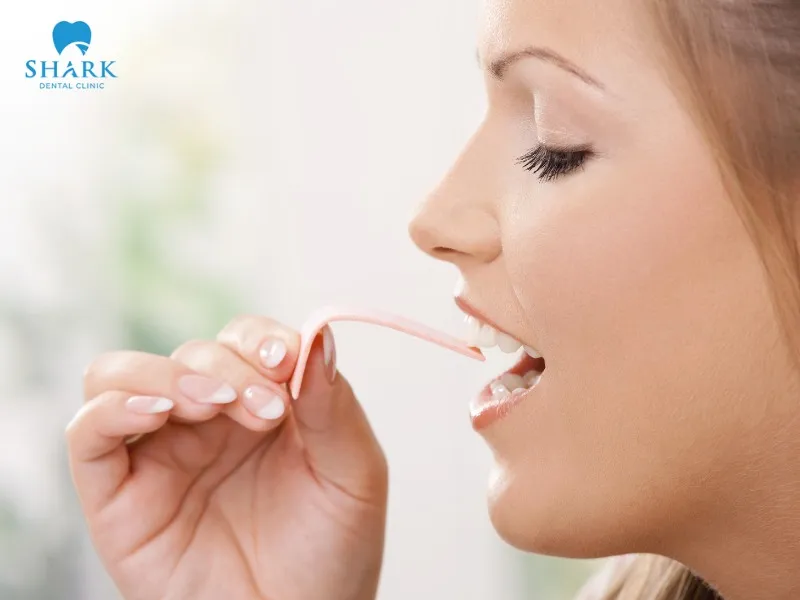
In summary, while teeth whitening chewing gum can effectively improve tooth cleanliness and freshness, it should not replace professional teeth whitening treatments. It remains a valuable supportive method for maintaining oral hygiene and promoting fresher breath. We hope this article has provided clear and helpful information, enabling you to adopt a more scientific and effective approach to oral care.