

Braces are a modern orthodontic solution that helps improve issues such as overbite, underbite, and misaligned teeth. Orthodontic treatment can be applied to a wide range of patients; however, not everyone clearly understands which are the best braces for adults. So, what are the most suitable types of braces for adults? Let’s explore the accurate answer in the article below.
Determining the best braces for adults
Adults often possess a stable jaw structure, as their permanent teeth are fully developed and fixed in place. Thus, when it comes to correcting misaligned teeth through orthodontic intervention, a carefully planned treatment strategy and precise execution are essential.
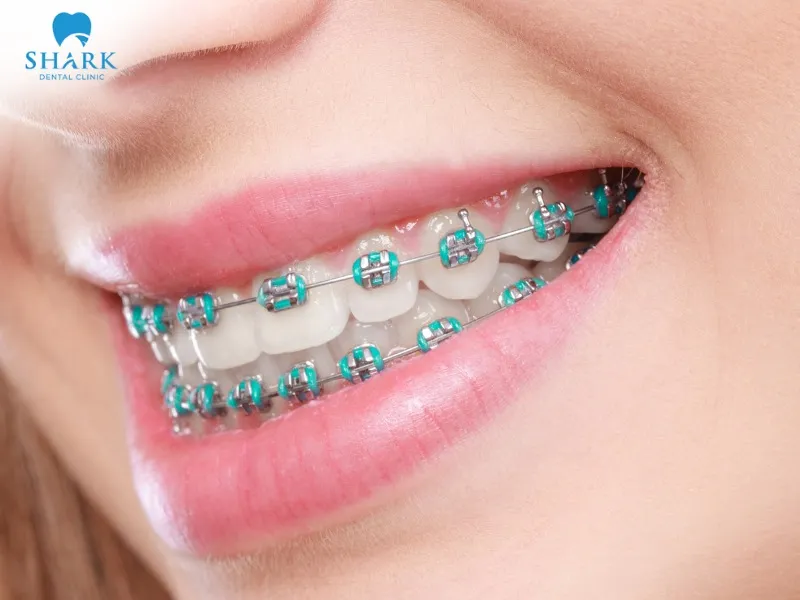
Here are some of the most common options to consider when looking for the best braces for adults:
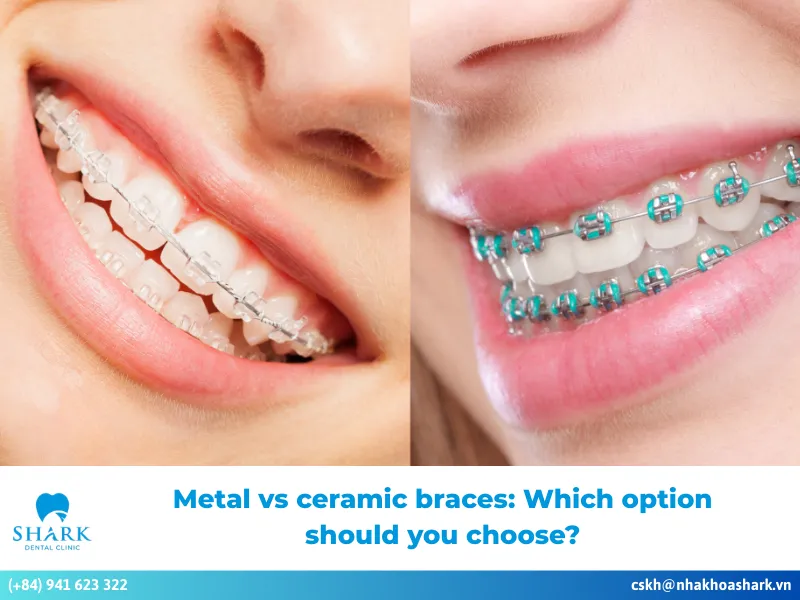
- Traditional metal braces: This long-established method uses metal brackets and archwires to apply force and gradually move teeth into their desired positions on the dental arch.
- Ceramic braces: These brackets are made from durable ceramic materials with a color and shape similar to natural teeth, providing superior aesthetic results.
- Self-ligating braces: Designed with a modern sliding mechanism built into the bracket system, this method allows the archwire to move more freely, making adjustments more convenient and reducing the number of follow-up visits.
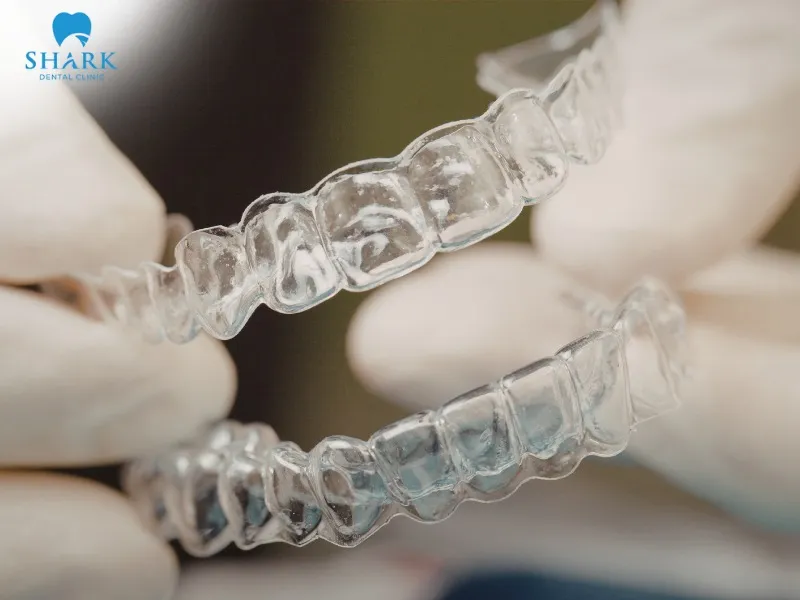
- Clear aligners (braces without brackets): This method uses transparent trays custom-designed to match the dental structure. The aligners fit snugly over the teeth and gradually shift misaligned teeth into proper alignment.
Each method of teeth braces for adults has its own advantages and disadvantages, making it suitable for different needs. Depending on your oral condition and financial situation, your dentist will recommend the most appropriate orthodontic solution.
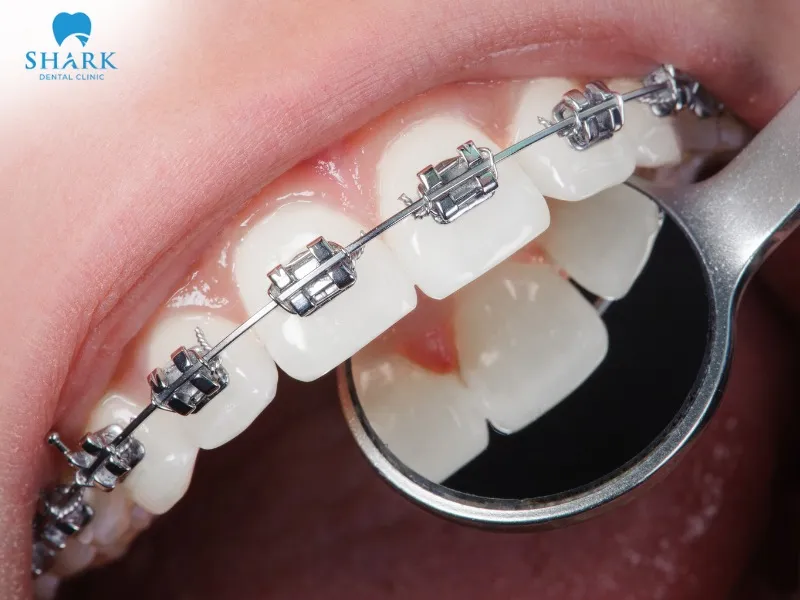
Comparing the main types of braces for adults available today
Traditional metal braces: reliability and cost-effectiveness
As a conventional orthodontic method, traditional metal braces have been widely used for many years. This system employs stainless steel brackets attached to the tooth surface and connected by metal archwires.
Advantages
- Strong pulling force that effectively corrects crooked teeth, crowding, overbites, and underbites.
- Cost-effective compared to other options, making it suitable for various budgets.
- Durable brackets that maintain good chewing function throughout treatment.
Disadvantages
- Metal brackets are visible during daily communication, which can affect aesthetics during treatment.
- Some patients may experience discomfort, bulkiness, or soft tissue irritation inside the mouth.
- Maintaining oral hygiene can be more challenging with metal braces. You will need to learn how to floss with braces properly to avoid plaque buildup around the metal.
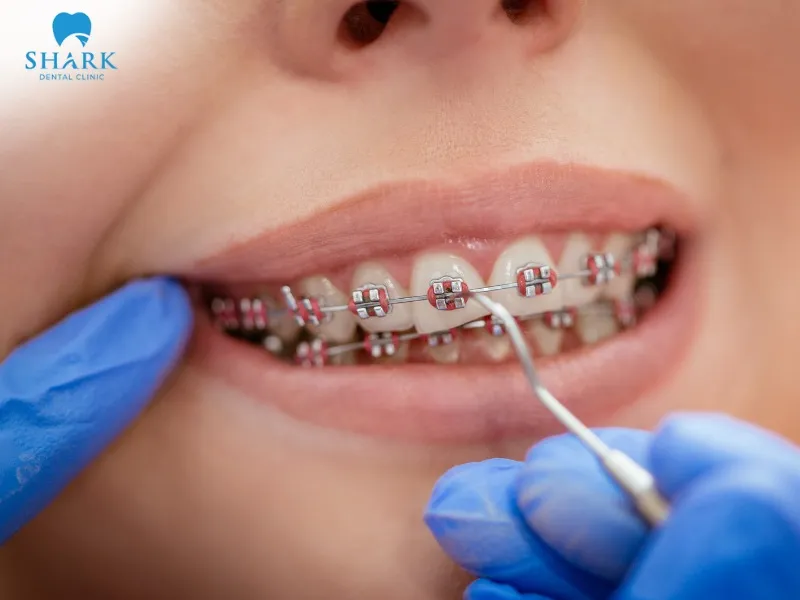
Ceramic braces: Aesthetic teeth braces for adults that blend in
These braces are made from high-quality ceramic materials and are designed to resemble natural teeth, providing superior aesthetic results.
Advantages
- The ceramic material closely matches the natural tooth color, making the braces less noticeable.
- Ceramic is biocompatible and less likely to cause soft tissue irritation during treatment.
Disadvantages
- Typically more expensive than traditional metal braces.
- Patients should avoid chewing hard foods, as ceramic brackets can fracture under strong pressure.
This means you must ask yourself can you eat chips with braces before snacking, as crunchy items can cause damage.
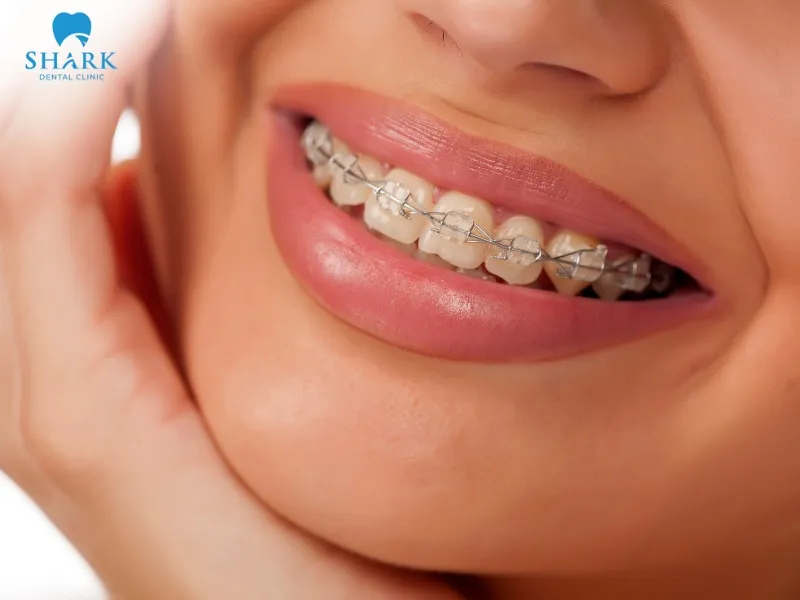
Lingual braces: The invisible solution placed behind the teeth
Lingual braces are attached to the inner (lingual) surface of the teeth, effectively repositioning them.
Advantages
- Provide strong orthodontic force for effective and relatively fast alignment results.
- Highly aesthetic, as brackets are placed on the inside of the teeth, allowing for confident communication without visible braces.
- Since they bond to the inner surface, they do not affect the outer enamel, minimizing risks like enamel demineralization.
Disadvantages
- More challenging to clean, as food debris can accumulate around the inner appliances, increasing the risk of tooth decay and gum inflammation.
- Lingual appliances may irritate the tongue, gums, cheeks, or lips, potentially causing discomfort or minor bleeding.
- Higher treatment costs may not be suitable for all budgets.
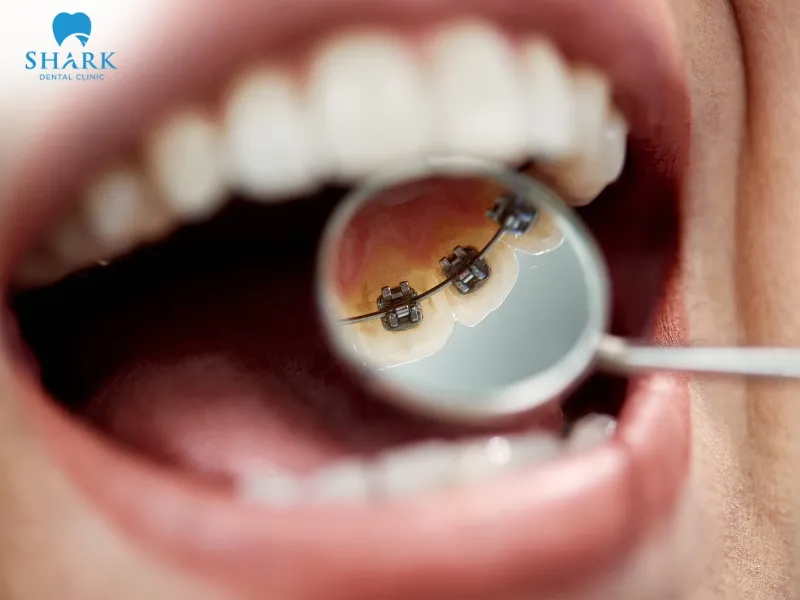
Self-ligating braces: Can they speed up treatment time?
Self-ligating braces utilize archwires and brackets that feature an automatic sliding mechanism. This design helps adjust misaligned teeth into their correct positions.
Advantages
- High aesthetic value, especially with ceramic self-ligating brackets, which offer strong biocompatibility with natural teeth.
- Durable ceramic materials provide excellent hardness and resistance to force, ensuring stable chewing function.
- Reduced risk of archwire or bracket detachment during treatment.
Disadvantages
- The bracket surface may protrude further than the natural tooth surface, causing discomfort or bulkiness for some patients.
- Self-ligating braces are generally more expensive than traditional methods.
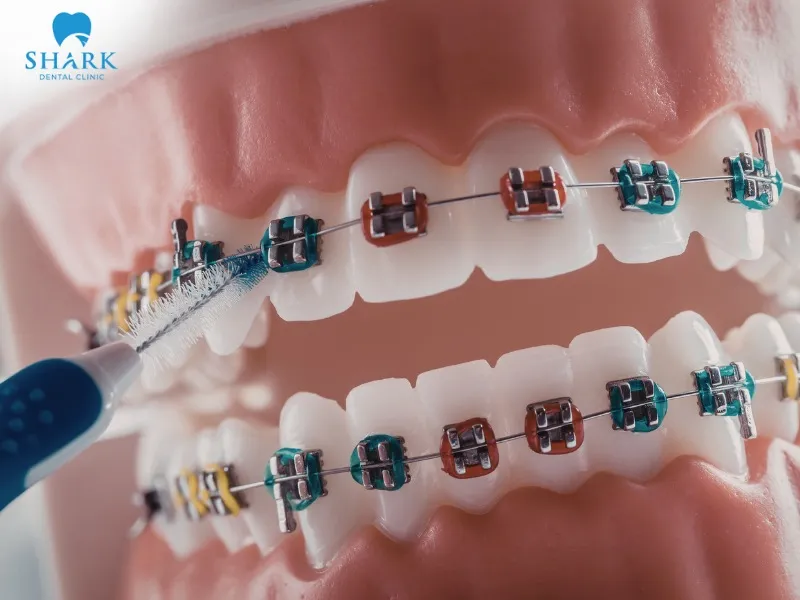
Clear aligners vs. fixed appliances: Which is right for you?
Clear aligners, also known as removable transparent trays, represent a modern orthodontic solution that meets the aesthetic needs of many adults.
Advantages
- They deliver effective orthodontic results, helping to align teeth for a straighter and more harmonious smile.
- Superior aesthetics allow you to feel more confident during daily interactions.
- Removable trays facilitate easier oral hygiene compared to fixed appliances.
Disadvantages
- The cost of clear aligners is relatively high, often ranging from three to five times more expensive than traditional methods.
- For optimal results, aligners must be worn for at least 22 hours per day.
Key factors to consider when choosing an orthodontic system
Before selecting from the available types of braces for adults, carefully evaluate the following important factors:
- Dental condition: A thorough examination, including X-rays and clinical assessments, is essential. Severe overbites, underbites, or significant misalignments may be better treated with metal braces, while mild crowding can often be corrected with clear aligners, maintaining aesthetics.
- Personal needs: If your work involves frequent communication, you may prefer aesthetic options such as clear aligners or lingual braces.
- Financial capacity: Different orthodontic systems come with varying costs. It’s important to consider your financial situation when choosing the most suitable method.
- Oral health status: Conditions such as tooth decay, periodontitis, or gum inflammation must be carefully evaluated. Your dentist will recommend the most appropriate orthodontic solution based on your oral health.
- Time commitment: Determine how much time you can realistically commit to wearing orthodontic appliances. This is particularly important when choosing removable aligners.
How long do adults typically wear braces?
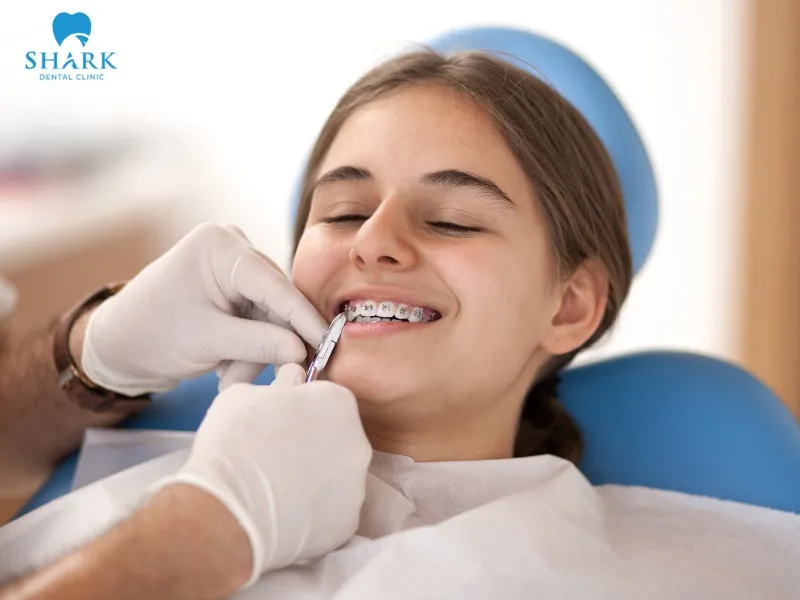
When determining how long do you have to wear braces, keep in mind that on average, adults wear them for approximately 12 to 36 months, depending on the severity of misalignment, the orthodontic method employed, and the patient’s age. For mild to moderate crowding, treatment may last about 14 to 18 months. However, in more severe cases involving significant misalignments or bite discrepancies, treatment may extend up to 36 months.
Regular dental visits during the orthodontic process are essential. The dentist will monitor tooth movement progress and make necessary adjustments to ensure the best outcomes.
Insurance coverage for adult orthodontics costs
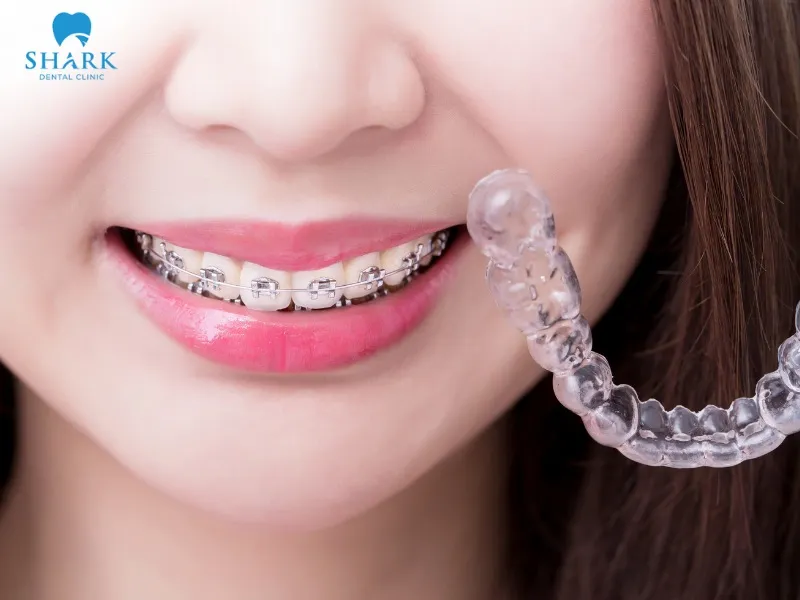
Orthodontic treatment is generally considered cosmetic dentistry; therefore, insurance plans typically do not cover the cost of braces for adults. In cases where patients have underlying dental conditions requiring tooth extraction prior to orthodontic treatment, insurance may partially cover examination and treatment costs related to those medical procedures.
To reduce the financial burden, patients may consider promotional programs, discounts, or low-interest installment payment plans offered by reputable dental clinics. These options can significantly ease the financial commitment when investing in the best braces for adults.

The information presented provides a comprehensive overview of suitable orthodontic solutions and types of best braces for adults. We hope this guide helps you understand adult orthodontics better and choose the method that best fits your needs. For personalized consultation and detailed treatment planning, contact Shark Dental Clinic to receive a professional examination and dedicated advice tailored to your dental condition!