

Braces are a long-term orthodontic treatment that requires patience and strict adherence to a healthy diet and lifestyle to achieve the best results. So, can you eat chips with braces? If yes, what kind of chips are safe to eat, and how should you eat them? Let’s explore the answers provided by Shark Dental Clinic in the article below!
Can you eat chips with braces?

In fact, you can eat chips with braces. Chips are a delicious, crispy, and convenient snack that many people, especially young ones, enjoy. However, orthodontists recommend that individuals with braces limit their chip consumption because:
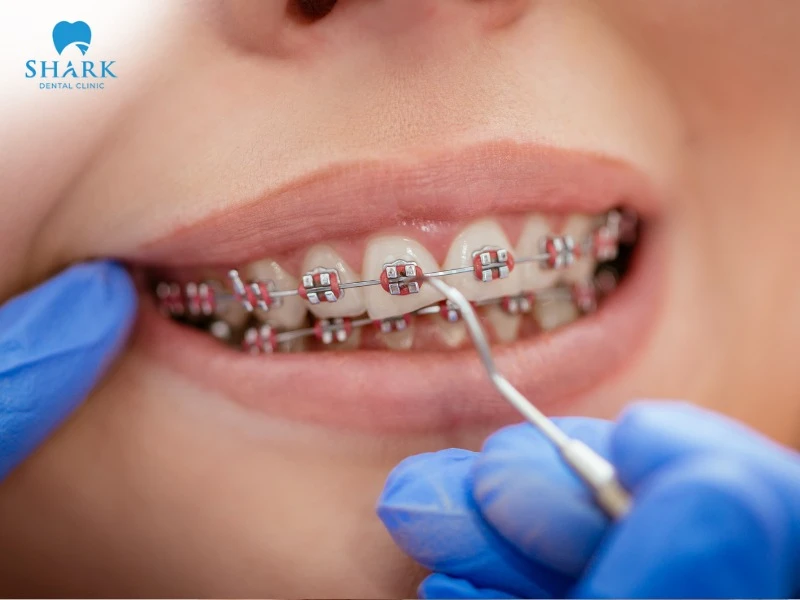
- Damage to orthodontic appliances: Orthodontic appliances such as archwires, brackets, and elastics are designed to create the force necessary for moving misaligned teeth. Chips are often very crunchy, and some pieces may have sharp edges that can bend archwires or dislodge brackets, especially if you bite down too hard.
- Increased risk of tooth decay: Chips are high in oil and starch. When you chew them, they break into small fragments that can get stuck between your teeth and brackets. Over time, starch turns into sugar, feeding bacteria and increasing the risk of tooth decay.
- Gingivitis: Small chip fragments can become lodged in archwires, brackets, and even injure the soft tissues and gums, contributing to gum swelling and inflammation – a common issue for those with braces.

- Bad breath: If chips remain in your mouth for an extended period without proper cleaning, they can allow bacteria to accumulate, causing bad breath and diminishing your confidence in social situations.
- Health concerns: Chips contain unhealthy oils, and some processed chips even include preservatives. Consuming too many chips can lead to obesity, negatively impact cardiovascular health, and harm oral health.
- Prolonged orthodontic treatment: If brackets become detached during the treatment process, it can extend the duration of wearing braces, leading to additional costs and potentially compromising the effectiveness of the orthodontic treatment. Therefore, it’s crucial to avoid biting into hard chips to ensure a smoother braces process and optimal results.
Given the risks associated with eating chips, consider safer alternatives such as mashed potatoes, potato stew with bone broth, porridge, or potato soup. Always prioritize foods that are nutritious, soft, and smooth to support effective orthodontic treatment.
In summary, while chips are a tasty snack, they are considered an “enemy” for those undergoing orthodontic treatment. It is best to limit your consumption of chips and other crunchy snacks that can easily get stuck in braces to ensure the best possible treatment results.
What chips can you eat with braces?
Chips are generally not the best food choice for people with braces or other orthodontic appliances. However, if you enjoy them, you can still indulge in chips in moderation, as long as you carefully clean your teeth afterward.
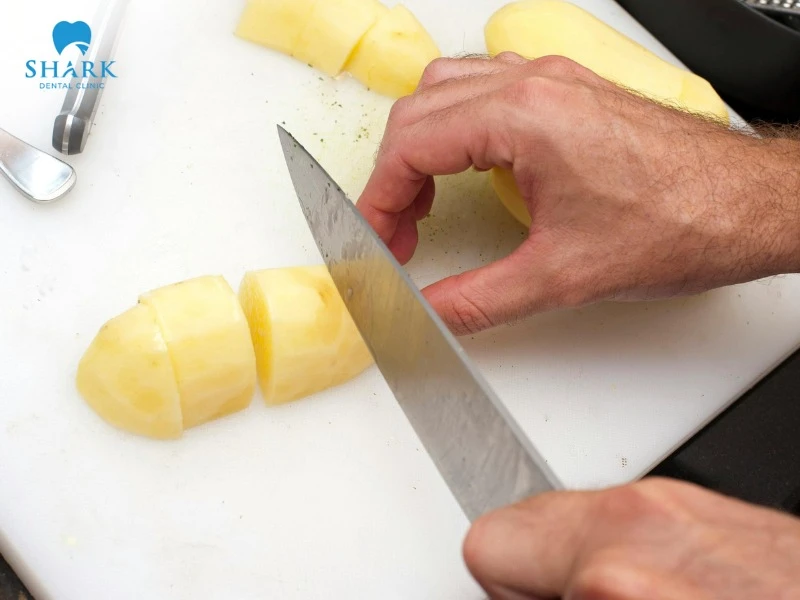
- Thinly sliced, lightly fried chips made with minimal oil can be a suitable snack for people wearing orthodontic appliances. Unlike regular chips, it’s important to slice the potatoes very thinly and fry them thoroughly while limiting the oil to reduce the risk of loosening or detaching brackets, which could affect the effectiveness of orthodontic treatment.
- Chips cut into uniform shapes, with sharp edges removed and kept small, are also recommended for those with braces. When consuming this type of chip, it’s best to chew with your molars to minimize the chances of potato fragments getting stuck in the brackets.
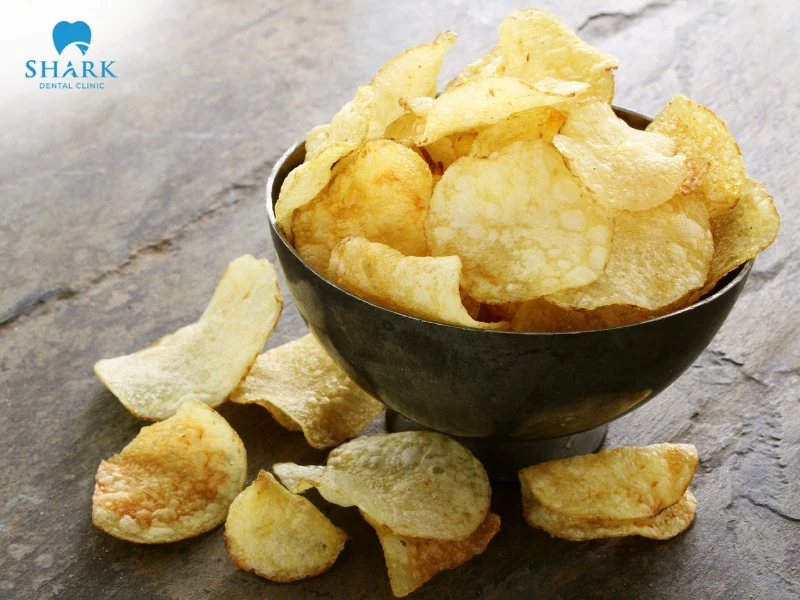
- Additionally, puffed chips are a good option. These chips are soft, dissolve easily in the mouth, and require very little chewing force. Therefore, people with braces need not worry excessively about archwires slipping or brackets coming loose while enjoying them.
- To ensure health and optimize orthodontic results, it’s advisable to make chips at home. By preparing your own chips, you can control the amount of oil, the level of crispiness, and the size of the potato slices. Frying the potatoes thinly and achieving moderate crispiness will help maintain safety for your health and avoid negatively affecting your braces.
While it’s possible for those with braces to enjoy thinly sliced chips with moderate crispiness, these should only be eaten in limited amounts due to their high starch and salt content. If allowed to linger in the mouth, chips can contribute to tooth decay and gingivitis.
When eating chips, you need to cut them into bite-sized pieces and avoid oily, overly crispy, or oversized chips. Eating chips properly will help you avoid the risk of brackets loosening, while maintaining strong teeth and reducing inflammation.
In addition, after eating chips, you must ensure thorough oral hygiene using a soft-bristled toothbrush. Pay attention to brushing from the inside out, and in addition to regular dental floss, utilize flossers for braces or a water flosser to meticulously clean between teeth and around brackets, preventing potato fragments from remaining and affecting oral health.
Importantly, during orthodontic treatment, you must strictly follow your dentist’s instructions for daily care and oral hygiene. You also need to return for check-ups as scheduled, usually every 3-6 months. These appointments allow the dentist to check the progress of tooth movement and provide timely advice if any problems arise.

Through this information, Shark Dental Clinic aims to answer your concerns about eating chips with braces and which types are acceptable. We hope this useful information helps you make informed dietary choices as you work towards achieving strong, aligned, beautiful teeth and a confident smile.
>>> Read more: Can you chew gum with braces