
If you’re currently undergoing orthodontic treatment and trying to maintain a healthy diet, you may be wondering: Can you eat steak with braces? In this article, we’ll address this question and provide safe eating tips so you can enjoy your meals while taking care of your braces. With the right approach, you can work towards achieving a healthy, straight, and beautiful smile.
Can you eat steak with braces?
Yes, people with braces can eat steak, but it should be limited. Steak is considered a tough food that can be difficult to chew, and it increases the risk of loosening brackets—especially during the early stages of orthodontic treatment.
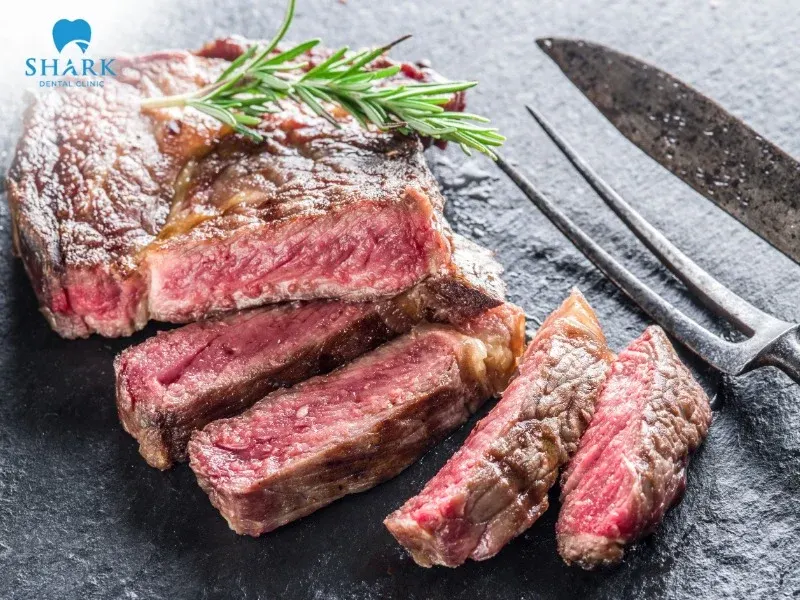
Here are some risks associated with eating steak frequently or improperly while wearing braces:
- Tough and difficult to chew: Steak is typically made from beef, which contains firm muscle fibers. Chewing requires a strong bite force and prolonged effort. For individuals with braces, this pressure can affect the archwire and brackets, increasing the likelihood of them becoming loose or dislodged. It may also lead to tooth sensitivity or soreness after eating.
- Risk of bent wires: Biting into large pieces of steak can create leverage on the brackets and wires, potentially bending the wire. This disruption can prolong the orthodontic process and treatment time.
- Challenges in oral hygiene: Tough steak fibers can easily get caught between teeth, brackets, and wires, making daily cleaning more challenging. This increases the risk of tooth decay, bad breath, and gum disease.
- Potential gum injury: Sharp, firm edges of steak pieces can harm brackets, irritate gums, and even cause bleeding. As a result, patients may experience soreness or discomfort, which can interfere with daily activities.
- Staining and discoloration: Some types of steak are served with sauces that have strong pigments. If not cleaned properly, these can stain teeth, leading to yellowing or dark lines along the gum line.
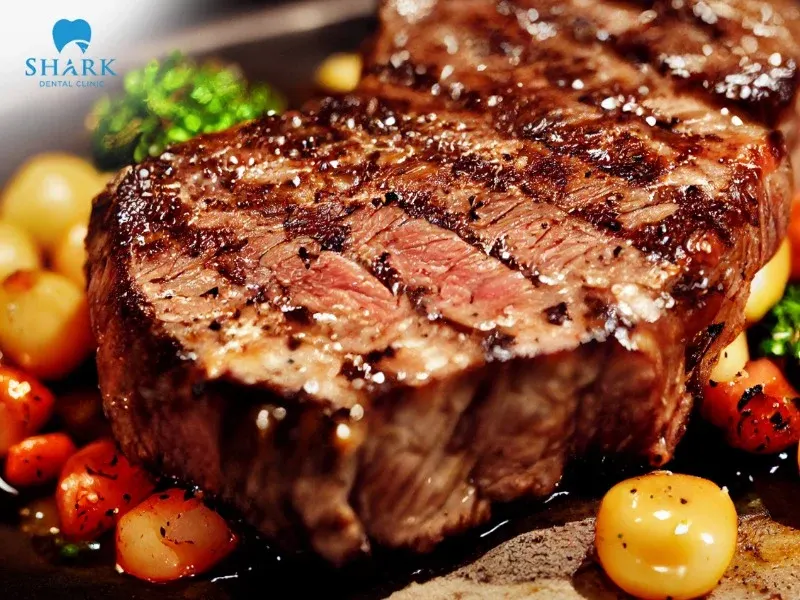
In conclusion, while steak is a delicious dish that many enjoy, it is not advisable for those with braces. If you are undergoing orthodontic treatment, consult your dentist about your daily diet to ensure the best results and to achieve a healthy, confident smile sooner.
>>> See more: Can you eat apples with braces?
How should you prepare steak to suit braces?
If you’re wondering can you eat steak with braces, the answer is yes – but you’ll want to modify how it’s prepared to make it safer and more suitable.
- Choose tender cuts of beef: Select steaks from tender cuts such as ribeye or tenderloin. These parts of the cow consist of soft, fine-grained meat that is easier to chew and contains fewer sinews, reducing the amount of force needed for chewing and minimizing impact on the brackets.
- Tenderize the meat before cooking: To make steak less tough, marinate it with yogurt, fruit, or lemon juice. The natural acids and enzymes in these ingredients help break down muscle fibers, making the steak softer and easier to chew.
- Cook thoroughly at low heat: When cooking steak, use low heat and ensure it is cooked thoroughly. This technique softens the meat, making it easier to chew while still preserving its delicious flavor.
- Cut into small pieces before eating: To prevent steak from getting stuck in the wires and brackets, be sure to cut the meat into small, bite-sized portions before eating.
By preparing steak properly, individuals with braces can still enjoy this nutritious and tasty dish while ensuring their orthodontic treatment remains safe and effective.
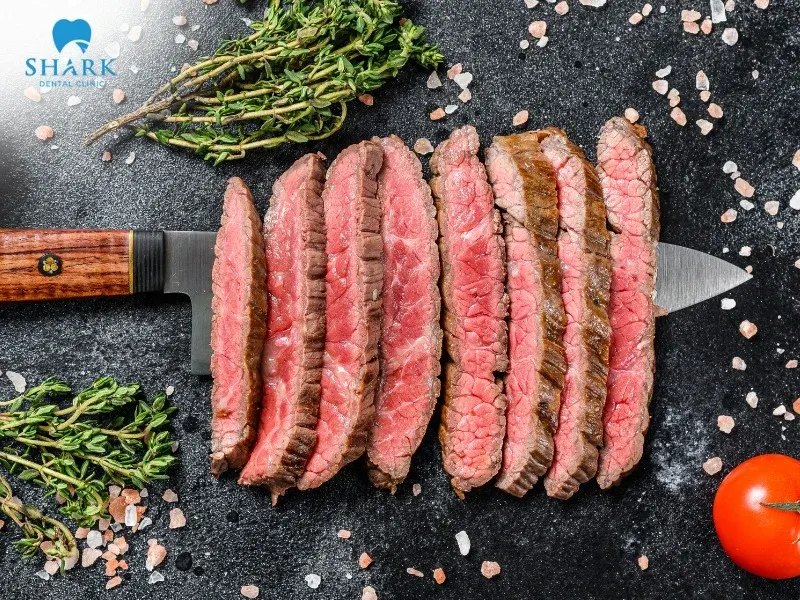
Tips for eating steak with braces
Here are some helpful tips for enjoying steak safely while wearing braces:
- Avoid eating during the first 3-5 days: In the initial stages of wearing braces, teeth may be very sensitive and sore. During this time, it is best to avoid steak and other tough or hard foods to prevent any complications with your orthodontic results.
- Do not tear steak with your teeth: Although steak can be chewy, avoid biting and tearing it with your teeth. Instead, use a knife and fork to cut the steak into small, bite-sized pieces. Chew gently and refrain from applying excessive force to your brackets and wires.
- Chew with your molars: When eating steak, patients should primarily use their molars. Molars have a broader chewing surface and provide stable bite force, which reduces pressure on orthodontic appliances. Additionally, it is important to eat slowly and chew thoroughly to protect your braces and promote healthy digestion.
- Clean teeth carefully: Since steak is tough and fibrous, it can easily get stuck in the wires and brackets of braces, leading to bad breath and increasing the risk of tooth decay or gum disease. After eating steak, make sure to use an interdental brush and specialized tools like flossers for braces to clean your mouth thoroughly.
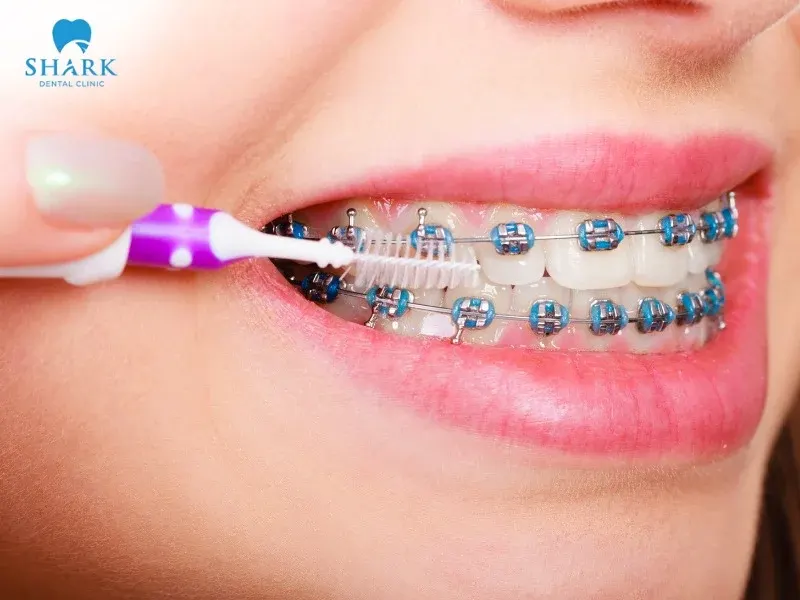
If you find that the steak is too tough, difficult to chew, or has too many sinews, it is best to stop eating. Forcing yourself to chew tough steak could cause brackets or wires to become loose, or even injure soft tissues, resulting in gum bleeding.
>>> Read more: Can you eat chips with braces
What to eat after braces?
A healthy, balanced diet is crucial for those undergoing orthodontic treatment. Below are some dentist-recommended foods that are both safe and beneficial for individuals with braces:
- Porridge, soup, and broth: In the early stages of wearing braces, porridge, soup, and broth are soft foods for braces. These dishes are gentle on the teeth and orthodontic appliances, support digestion, and reduce tooth sensitivity, which helps ensure a smooth treatment process.
- Yogurt and soft cheese: Dairy products, such as yogurt and soft cheese, are rich in calcium, which helps strengthen teeth and bones. Their smooth and easy-to-eat texture places no pressure on braces, making them excellent options for daily meals.
- Smoothies and juices: Smoothies made from ripe mango, avocado, banana, and other soft fruits are packed with vitamins while having a gentle texture, making them very suitable for individuals wearing braces.
- Eggs and tofu: Both eggs and tofu are rich in protein and have a soft, smooth texture that is easy to chew. They can be prepared in a variety of ways, such as scrambled eggs, omelets, or tofu dishes like tofu with tomato sauce or pan-fried tofu, providing diversity to your daily meals.
- Mashed potatoes and soft vegetables: Potatoes and vegetables are full of vitamins, fiber, and minerals. When cooked and mashed, they offer excellent nutrition and are very safe for those with braces.

These are some highly recommended foods for people with braces. If you are undergoing orthodontic treatment, refer to this list and incorporate these foods into your daily diet to protect your oral health and achieve the best aesthetic results!
Foods not to eat when wearing braces
In addition to the recommended foods, individuals with braces should avoid or limit the following items to protect their orthodontic appliances and ensure optimal treatment results:
- Hard and crunchy foods: Foods like crackers and popcorn can place excessive pressure on braces and wires. Similarly, choosing the right candies to eat with braces is essential; you must avoid hard candies that can break brackets or small fragments that may become lodged in the wires, leading to cavities and gum inflammation.
- Chewy and sticky foods: Sticky sweets such as gummy candies, chewing gum, and caramel are not advised, as they can easily adhere to the brackets and potentially damage the orthodontic appliances. Can you chew gum with braces? The answer is generally no for traditional types, as they pose a high risk of damage.
- Carbonated drinks: Sodas and other soft drinks that are high in sugar increase the risk of tooth decay and can erode tooth enamel. Frequent consumption may also cause yellowing and discoloration, affecting the appearance of your smile.
- Spicy or acidic foods: During orthodontic treatment, teeth and gums can be particularly sensitive. Eating overly spicy or sour foods can cause discomfort and tooth sensitivity, potentially leading to prolonged pain. Maintaining a balanced and gentle diet is crucial for comfort and oral health.
- Hard-crusted bread: Crunchy toasted bread is considered problematic for braces. Eating hard bread can dislodge brackets, diminish the effectiveness of the treatment, and even injure the gums.
- Fast food: Greasy, oily fast foods should be minimized as they tend to get trapped between teeth and around brackets. This can contribute to plaque buildup and increase the risk of tooth decay and gum disease.
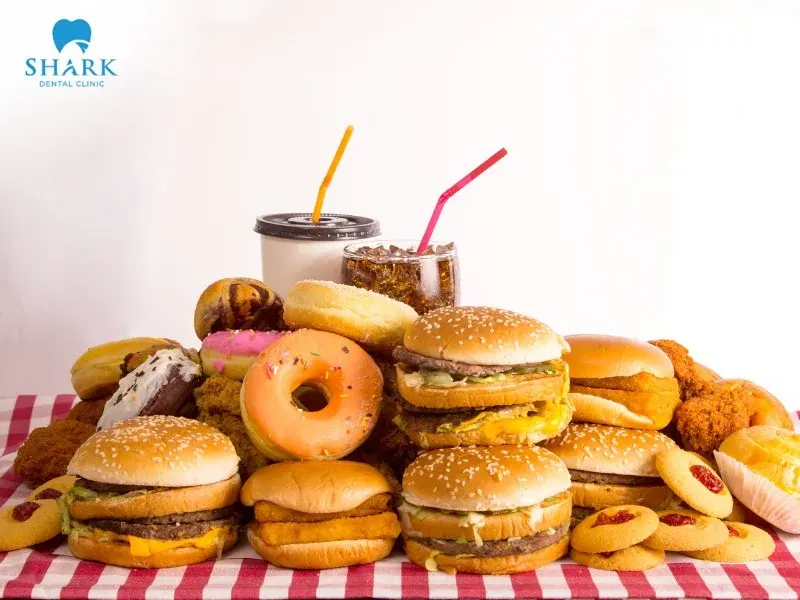
It is important to note that the question, “Can you eat steak with braces?” has been addressed in detail previously. After receiving braces from a reputable dental clinic, it is essential to follow your dentist’s instructions closely and maintain a healthy, balanced diet. This will help ensure that your orthodontic treatment progresses smoothly and delivers the best possible results, giving you a strong bite and a confident smile.
>>> See more: Can you eat cereal with braces?