
Many people with braces struggle with questions about their diet, especially what candies can you eat with braces. In this article, we will explore the types of candies that are safe to eat and offer important tips for maintaining oral health during orthodontic treatment. Let’s dive in!
Can you eat candy with braces?
If you are wearing braces or undergoing orthodontic treatment, you can still enjoy candy, but it’s important to choose wisely. There is a wide variety of candies available on the market, including high-sugar, low-sugar, and those made from natural ingredients.
While candy is not strictly forbidden for people with braces, it’s advisable to limit consumption and focus on a balanced, nutritious diet to support your orthodontic journey in the safest and most effective way.
>>> Read more: Can you eat chips with braces

What candies can you eat with braces?
If you have a sweet tooth, you don’t have to give up treats entirely. For instance, you can safely eat chocolate with braces as long as it is plain, soft, and does not contain nuts, caramel, or hard wafers. In addition to soft chocolate, consider the following types of candies that are safe to enjoy:
Fruit gummies
These soft, chewy candies are easy to eat and put minimal pressure on your teeth and braces. They are non-sticky, reducing the risk of damaging brackets or loosening wires during treatment.
Jelly candies
With a thin outer layer and a soft jelly center, these candies are easy to chew without requiring strong bites. They are typically less sweet and lower in sugar, which helps decrease the risk of cavities. Jelly candies also make daily oral hygiene easier compared to sticky or hard candies.
Soft sour candies
Certain chewy sour candies that dissolve quickly in your mouth can be enjoyed with braces. Since they lack a hard outer shell, these candies are less likely to damage orthodontic appliances when eaten in moderation.
In summary, people with braces should prioritize soft, chewy candies made from natural ingredients and low in sugar. These options are safer, help maintain the effectiveness of orthodontic treatment, support oral health, and still satisfy sweet cravings.
>>> Read more: Can you eat pizza with braces

What candies should you avoid with braces?
In addition to the safe options mentioned above, it’s best to limit or completely avoid the following types of candy:
Hard candies
Candies like lollipops, jawbreakers, and peanut brittle require strong biting or prolonged chewing. They can easily lead to loose, bent, or broken wires and brackets, reducing the effectiveness of your braces.
Sticky candies
Very sticky candies, such as taffy or caramel, can become lodged between wires, brackets, or tooth surfaces. This creates an environment conducive to bacterial growth, which can lead to cavities, gum disease, or periodontitis.
Crunchy, Brittle candies
Candies that are crispy and tend to break easily can leave fragments lodged in brackets or between teeth, making oral hygiene more challenging and increasing the risk of cavities.
Candies with hard nuts
Candies that contain hard nuts, such as walnuts, almonds, or cashews, can damage brackets or bend wires when bitten.
During orthodontic treatment, it’s best to avoid any food that is too hard or places excessive pressure on braces. These foods can not only damage your orthodontic appliances but also heighten the risks of gum injury, tooth decay, and serious periodontal problems.

What are the risks of eating candy while you have braces?
Eating candy frequently or inappropriately while wearing braces can lead to several risks, including:
- Damage to orthodontic appliances: Hard candy requires significant biting force, which can bend, break, or loosen brackets. If this occurs, your orthodontic appliance will need adjustments, and in some cases, you may have to restart your treatment, causing disruptions in the orthodontic process.
- Tooth decay: Candy is high in sugar, and excessive consumption allows this sugar to linger in your mouth, providing an ideal food source for bacteria, which can lead to tooth decay.
- Gum inflammation: Eating hard or crunchy candy can injure the gums, making them more susceptible to infection. If left untreated, this inflammation can affect bone structure and the long-term stability of your teeth.
- Poor aesthetics: Consuming large amounts of sugary or artificially colored candies can cause yellowing or discoloration of your teeth and gum lines, negatively impacting the cosmetic results of your orthodontic treatment.
- Longer treatment time and higher costs: Eating too much candy while wearing braces may disrupt your orthodontic progress, resulting in a longer treatment duration and increased costs.
Eating candy during orthodontic treatment poses serious risks to your results, oral health, and budget. Therefore, it’s essential to follow your dentist’s instructions carefully to maintain strong and healthy teeth.
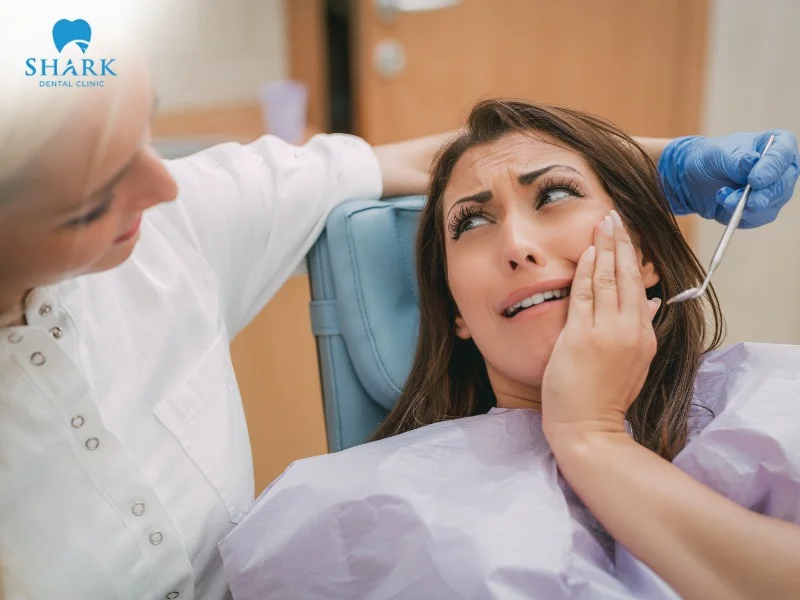
What are some tips for safely eating candy with braces?
Although candy is generally not recommended for people with braces, if consumed in moderation, you can reduce risks by following these tips:
- Choose soft candy: Opt for soft candies that are easy to chew. Make sure to chew thoroughly and avoid biting down hard to minimize damage to your wires and brackets.
- Avoid frequent consumption: While candy may be delicious, try not to eat it often, as its high sugar content increases the risk of cavities and gum disease.
- Chew gently: Always chew lightly to ensure the safety of your orthodontic appliances.
- Drink water after eating: Drinking water helps wash away leftover sugar and food debris, reducing bad breath and keeping your mouth feeling fresh.
- Brush after eating candy: Maintain regular brushing, especially after consuming candy. Use fluoride toothpaste to help remineralize enamel and strengthen your oral health.
Eating candy while wearing braces increases the risk of tooth decay and can diminish the effectiveness of your treatment. Therefore, always choose the right type of candy, consume it properly, and ensure you clean your teeth thoroughly every day.
>>> Read more: Can I eat popcorn with braces

What are some good alternatives to candy when you have braces?
To keep your teeth and braces safe while still satisfying your sweet cravings, consider the following healthier alternatives to candy:
- Fresh fruit: Strawberries, bananas, grapes, mangoes, and similar fruits are naturally sweet and safe to eat during orthodontic treatment. Fruits are rich in vitamins that are beneficial for overall health and provide essential minerals to strengthen teeth. For convenience, you can cut your favorite fruits into small pieces and enjoy them daily.
- Low-sugar yogurt: Low-sugar yogurt is an excellent option for people with braces. It contains probiotics that support digestion, as well as calcium and vitamin D, which strengthen tooth enamel. Incorporating yogurt as a daily snack is a safe and nutritious choice during orthodontic treatment.
- Fruit jelly: Fruit jelly is soft, dissolves easily in the mouth, and is made from safe ingredients that cause minimal harm to wires and brackets. However, it is best to choose jellies with low sugar content to reduce the risk of tooth decay.
These alternatives not only help satisfy your sweet cravings but also protect your oral health and maintain the effectiveness of your orthodontic treatment.

What is the proper dental care after eating candy with braces?
If you do eat candy while wearing braces, it is essential to follow proper oral care steps to minimize harmful effects:
- Brush thoroughly: After eating candy, brush your teeth carefully from the inside to the outside and top to bottom for at least 2 minutes. Proper brushing helps remove leftover food particles and plaque, limiting bacterial growth and keeping your teeth safe.
- Use dental floss: Instead of using toothpicks, people with braces should use dental floss to clean between their teeth and around the brackets. Floss is thin, elastic, and safe, allowing you to effectively remove plaque without damaging your gums or braces.
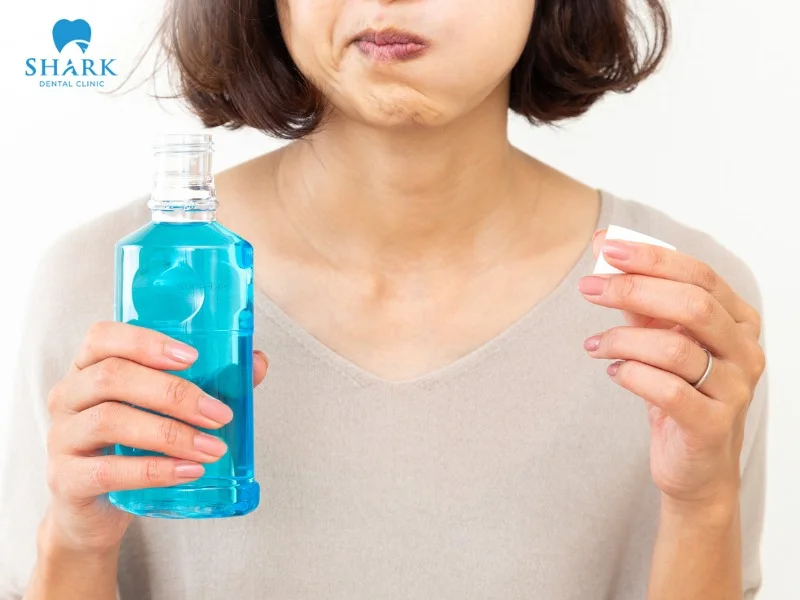
- Rinse your mouth: Use a saltwater rinse or an antibacterial mouthwash daily to kill bacteria in the mouth. Rinsing also helps clean the oral cavity and effectively reduces bad breath.
In addition to these daily care practices, you should visit your orthodontist regularly – every 3 to 6 months or as scheduled. Routine check-ups allow the dentist to monitor treatment progress, address any dental issues promptly, and ensure the best orthodontic outcome.
The question, “What candies can you eat with braces?” has been fully explained in this article. If you are undergoing orthodontic treatment and wish to achieve strong, straight, and healthy teeth, be sure to follow your dentist’s instructions and maintain proper oral care every day.
>>> See more: Can you eat takis with braces?