
Porcelain veneers are a dental technique used to effectively “renew” the outer appearance of teeth that are discolored, misaligned, or structurally uneven. One of the most common concerns many people have is, “do teeth rot under veneers?,” and how this condition can be identified if it occurs. What are the signs of tooth decay after veneer placement, and how can it be recognized early? Dentists at Shark Dental Clinic will provide detailed explanations and insights through the article below!
Do teeth rot under veneers?
Many patients are concerned about whether teeth rot under veneers after undergoing cosmetic treatment. In reality, natural teeth can still develop decay underneath veneers if oral hygiene is not properly maintained or if the bonding technique is not performed correctly, leading to gaps that allow bacteria to penetrate inside.
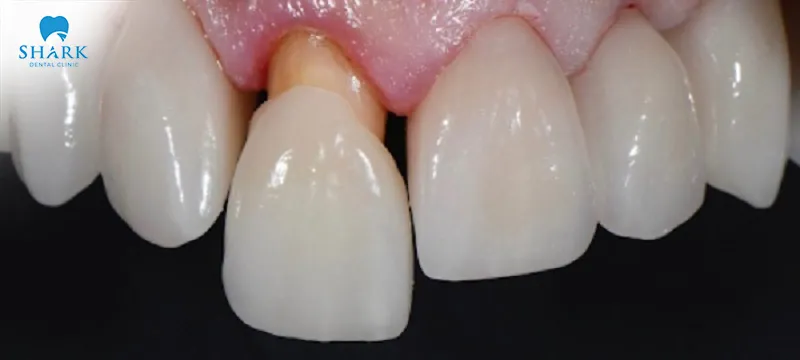
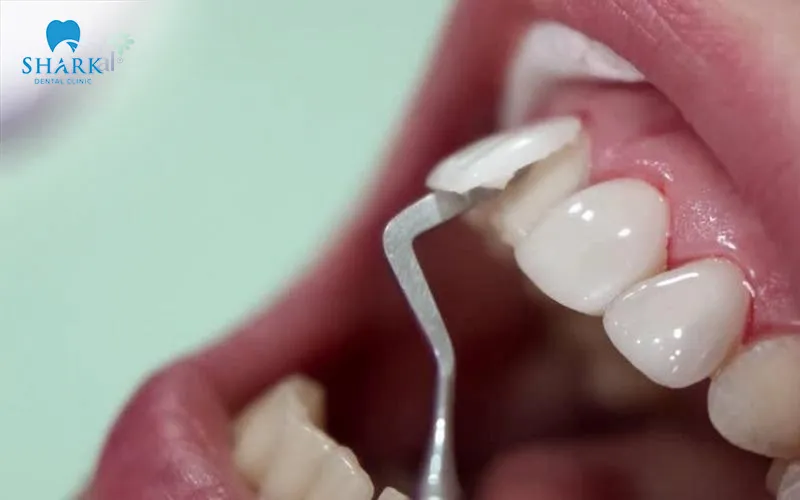
Porcelain veneers are a cosmetic dental method that uses ultra-thin shells, typically ranging from 0.2 mm to 0.5 mm, bonded onto the surface of natural teeth. This technique helps improve issues such as tooth discoloration, spacing, and mild protrusion or underbite. The procedure is performed relatively quickly, preserves most of the natural tooth structure, and after placement, patients can eat and carry out daily activities normally without negatively affecting overall oral health.
Why teeth may rot under veneers?
Natural teeth beneath veneers may develop decay due to several different causes, including the following common factors:
- Treatment technique: If the tooth had pre-existing decay or structural damage that was not treated before laminate dental veneers were applied, the decay can continue to develop underneath. Over time, this condition may gradually worsen, potentially spreading to adjacent teeth and leading to more serious infection if not addressed promptly.
- Oral hygiene: After veneer placement, the veneers are securely bonded and designed to integrate well within the oral environment. However, if proper oral hygiene is not maintained consistently, bacteria can accumulate around the gumline and beneath the edges of the veneers. This buildup can lead to inflammation and allow bacteria to attack the enamel, forming cavities and negatively affecting overall oral health.
- Dentist’s expertise: If veneers are performed in non-professional settings or by practitioners with limited experience, improper fitting may result in small gaps between the veneer and the natural tooth surface. These gaps can become areas where plaque accumulates easily, leading to tartar formation, bacterial growth, and an increased risk of tooth decay over time.
Signs of tooth decay under veneers
When natural teeth develop decay beneath veneers, there are several noticeable signs that can be identified either visually or through physical sensation:
- Tooth sensitivity: One of the most common signs is increased sensitivity or discomfort, especially when consuming hot or cold foods, or when chewing, which may feel different from normal.
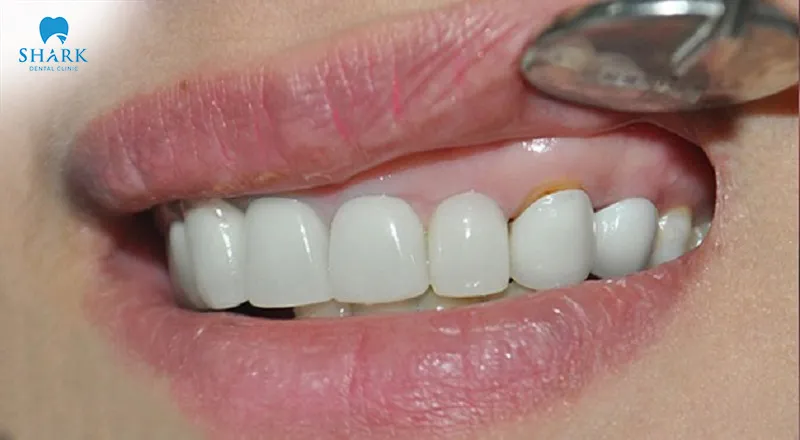
- Color changes: The veneer surface or the surrounding tooth structure may gradually change in color, appearing yellowish, darkened, or uneven. The gum area around the affected tooth may also show discoloration or the appearance of darker spots.
- Swollen and painful gums: Decay under veneers can lead to inflammation around the tooth, causing the gums to become red, swollen, painful, and prone to bleeding over an extended period.
- Persistent bad breath: Chronic bad breath is another common indicator, as bacterial accumulation and infection beneath the veneer, combined with trapped food debris, can create a persistent and unpleasant odor.
- Pain and functional discomfort: Teeth affected by decay under veneers often present with ongoing pain or discomfort, making chewing less effective and negatively impacting daily activities and overall comfort.
What to do if teeth rot under veneers?
When experiencing symptoms such as pain, sensitivity, or a feeling that your veneers hurt persistently, patients should promptly visit a reputable dental clinic. If decay is confirmed, the dentist will remove the existing veneer to eliminate the decay and protect the surrounding teeth.
If decay is suspected, the dentist will perform a detailed clinical evaluation, often including X-ray imaging, to accurately assess the condition of the tooth and the veneer. Based on the findings, an appropriate and timely treatment plan will be recommended:
- Removing the veneer: In cases where decay is confirmed, the dentist will remove the existing veneer to gain access to the affected tooth structure. Dental procedures will then be carried out to eliminate the decay. Early intervention is essential to prevent further spread of infection and to protect surrounding teeth.
- Reapplying veneers: After the decay has been fully treated and the tooth has returned to a stable and healthy condition, a new veneer will be designed and bonded according to proper proportions. This helps restore both the aesthetic appearance and normal chewing function of the tooth.
In more severe cases, where the infection has progressed deeply and affected the dental pulp, the tooth may no longer be suitable for veneer placement. In such situations, the dentist may recommend placing a porcelain crown to fully cover and protect the tooth, while restoring function, strength, and long-term durability.
How to prevent tooth decay with veneers?
After veneer placement, to reduce the risk of teeth rotting under veneers, dentists advise patients to pay close attention to proper oral care and hygiene. At the same time, maintaining a suitable diet is essential to avoid negative impacts on oral health and to support long-term stability.
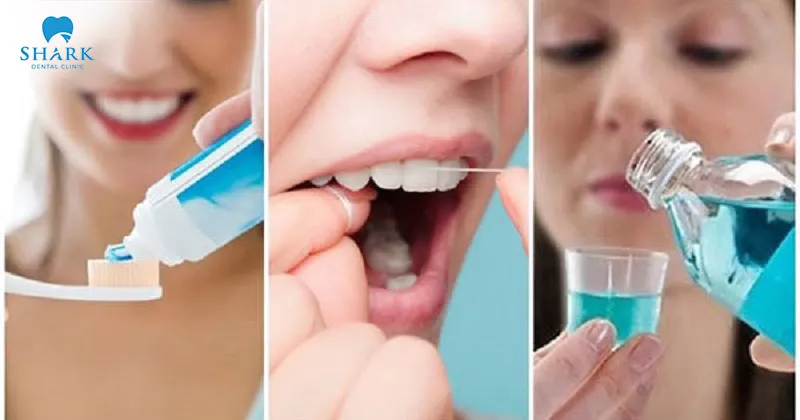
- Brush your teeth regularly every day using a soft-bristled toothbrush, and perform gentle brushing motions to avoid irritating the gums or affecting the bonded veneer margins.
- Clean between teeth after meals using dental floss or a water flosser. Avoid using toothpicks, as they may cause damage to the gums and negatively affect oral health over time.
- Use saline solution or an appropriate mouthwash to rinse your mouth, helping reduce bad breath and limit the growth of harmful bacteria.
- Maintain a balanced diet by consuming more green vegetables and choosing softer foods, while limiting sugary drinks and foods high in starch that may increase the risk of decay.
- After veneer placement, prioritize soft foods and avoid excessively hard or chewy items, as they may cause veneer damage such as cracking or chipping, which can affect both function and oral health.
- Replace your toothbrush every three months to ensure effective cleaning and to prevent prolonged bacterial accumulation on worn bristles.
- Use a suitable toothpaste, preferably one that contains fluoride, to help strengthen enamel and improve overall tooth resistance.
- Schedule regular dental check-ups every 3–6 months to detect any unusual issues early, monitor the condition of the veneers, and receive timely intervention if necessary.
- Follow all instructions provided by your dentist regarding oral care and hygiene to ensure safety and maintain optimal results after veneer placement.
Concerns regarding do teeth rot under veneers have been clearly addressed by dental professionals. In reality, if proper care and oral hygiene are not maintained after veneer placement, natural teeth underneath can still be at risk of decay. Therefore, veneers should be performed at reputable dental clinics and combined with proper care practices to ensure stable, long-term results while effectively minimizing the risk of tooth decay. If you have any further questions related to veneer treatment or oral care, please contact Shark Dental Clinic for a detailed consultation and professional support.