
Braces and veneers are two common dental methods used to improve issues such as misaligned teeth, gaps, or protrusion, while helping maintain the natural tooth structure as much as possible. In the comparison of braces vs veneers, many people wonder which option is more suitable. To get a clearer answer, you should consult a dentist. Let’s explore more details with Shark Dental Clinic in the article below!
What are dental veneers?
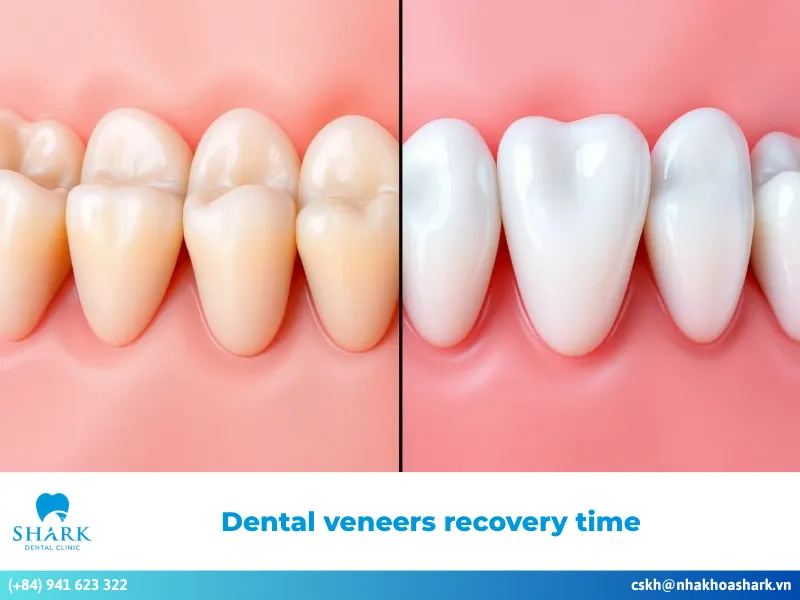
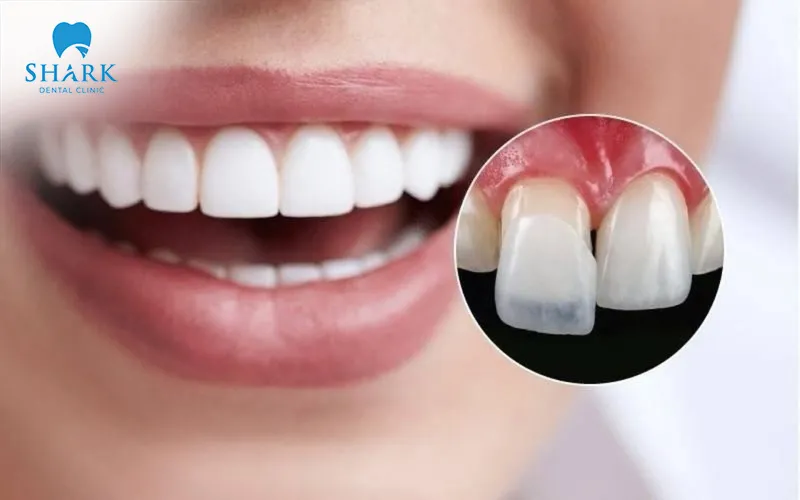
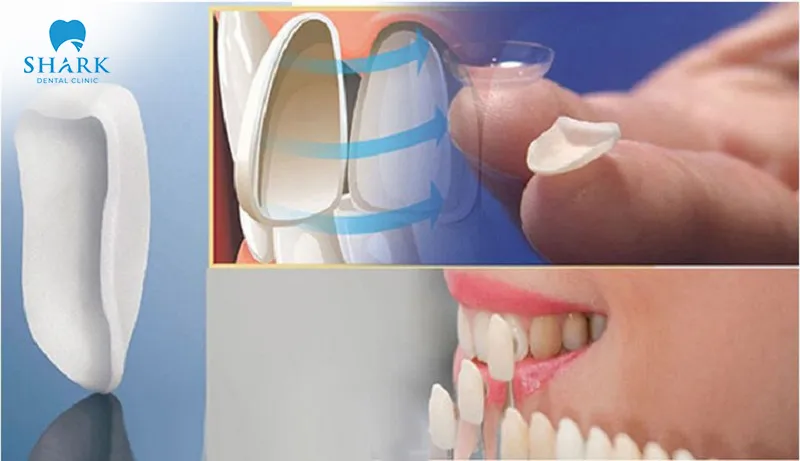
Dental veneers are ultra-thin dental restorations, typically ranging in thickness from about 0.3 to 0.5 mm. They are designed to closely resemble the natural color and appearance of real teeth. Due to their lightweight and delicate structure, veneers are bonded directly to the outer surface of the teeth, effectively improving conditions such as worn enamel, discoloration, chipped edges, or damage from trauma.
The application procedure for veneers is considered safe and effective, minimizing unnecessary impact on the natural tooth structure while preserving most of the original tooth. This conservative approach is a primary reason why veneers are a popular choice for cosmetic dental enhancement.
Pros with veneers
The veneer technique is highly regarded by patients and dental professionals due to several practical and noticeable advantages:
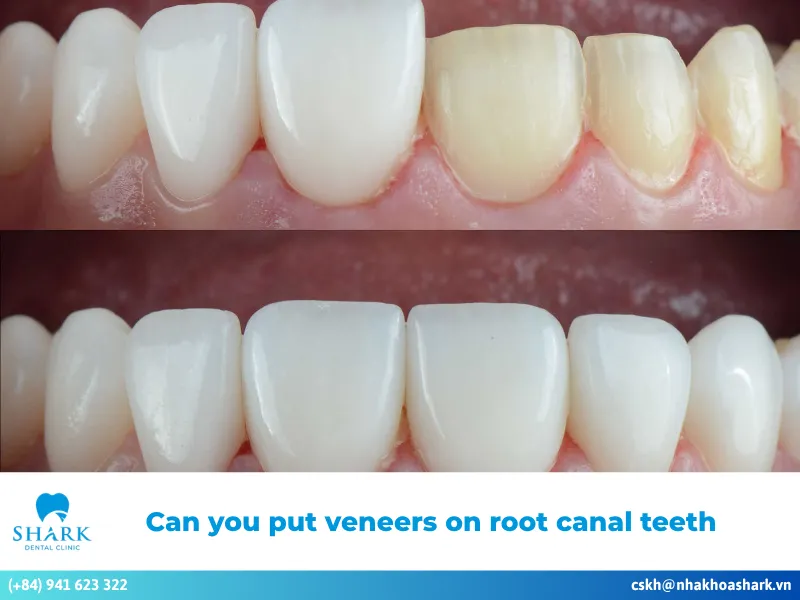
- High aesthetic value: Because veneers are thin and closely match the shade of natural enamel, they significantly enhance overall appearance, making teeth look more even, brighter, and more harmonious. This contributes to a more confident and radiant smile.
- Preservation of natural teeth: Veneers require minimal tooth reduction due to their ultra-thin design, allowing for maximum conservation of natural tooth structure while reducing discomfort and invasive procedures.
- Maintains chewing function: After placement, veneers support normal biting and chewing. Their durable surface helps reduce the risk of chipping or cracking while also preventing sensitivity or discomfort.
- Long-lasting durability: With proper care and the correct clinical technique, veneers can last approximately 10 to 15 years, making them a reliable long-term cosmetic solution.
Cons associated with veneers
Despite their advantages, veneers also come with certain limitations that patients should carefully consider:
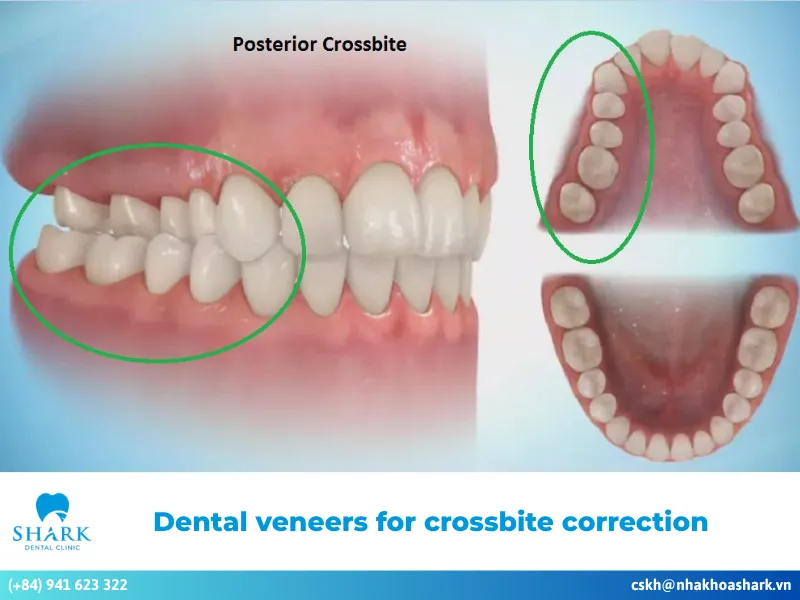
- Not suitable for all cases: Veneers are typically recommended for mild to moderate issues, such as spacing, minor chips, or discoloration, and may not be suitable for more severe orthodontic problems.
- Higher cost: The procedure requires precision, skill, and careful craftsmanship, which leads to a relatively higher cost compared to other cosmetic dental treatments.
- Color limitations: In some cases, veneers may not completely mask severe discoloration or may not perfectly match the surrounding teeth if not planned properly.
Treatment timelines
According to dental specialists, the veneer procedure is relatively quick when compared to other treatments discussed in the context of braces versus veneers. Generally, the process takes around 3 to 5 days and requires about 2 to 3 dental visits.
During each appointment, patients typically spend about 1 to 2 hours on preparation, fitting, and bonding procedures. However, the total treatment time may vary depending on the number of teeth being treated, the current condition of the patient’s mouth, and the expertise of the dentist. Proper planning and execution are essential to ensure natural-looking, long-lasting results with minimal complications.
What are braces?
Braces are an orthodontic treatment method that utilizes specialized dental appliances—such as brackets, archwires, or clear aligners—to apply controlled forces that gradually move teeth into proper alignment. This process helps balance the bite and improves the overall structure of the dental arch.
Braces are highly effective in correcting issues such as overbite, underbite, spacing, crowding, and misalignment, ultimately creating a more harmonious, functional, and aesthetically pleasing smile.
Pros with braces
Braces are an orthodontic method that provides many significant advantages when performed, helping teeth become evenly aligned, creating a proper bite, and ensuring harmony between the upper and lower jaws. This technique also offers several major benefits such as:
- Improves multiple conditions: All issues such as overbite, underbite, spacing, crowding, misalignment, and unbalanced jaw structure can be effectively improved when braces are applied properly and according to the correct orthodontic technique.
- Enhances chewing function: Braces help arrange and align irregular teeth, creating a balanced bite, thereby allowing chewing to function normally and making eating more comfortable and enjoyable.
- Boosts aesthetics: The orthodontic technique uses controlled forces to reposition teeth into more balanced and harmonious positions. After treatment, not only is the dental structure improved, but overall facial appearance also becomes more attractive and aesthetically enhanced.
- Reduces the risk of oral diseases: Crooked and crowded teeth can make oral hygiene difficult, allowing food to get trapped easily, which may lead to cavities and infections. Braces help create a more even dental structure, reducing the risk of gum disease, periodontitis, and bad breath.
- Prevents complications: Braces help minimize risks such as temporomandibular joint (TMJ) pain, jaw misalignment, and jaw muscle weakness by properly aligning the teeth and bite, preventing serious health complications.
- Improves speech: When teeth are misaligned or the bite is uneven, pronunciation can be affected, causing speech difficulties. Braces can help improve speech clarity, making communication smoother and more fluent.
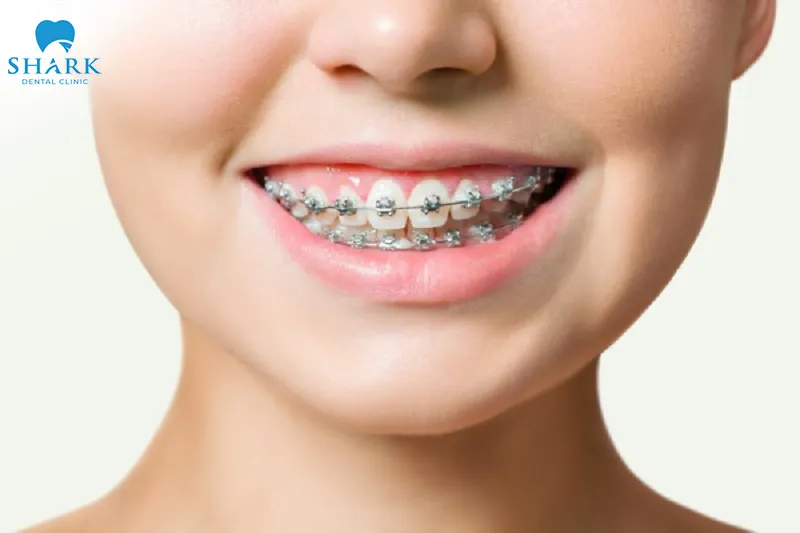
Cons associated with braces
Despite the many benefits braces provide, there are certain challenges that patients may experience during treatment:
- Pain and discomfort: Because braces apply continuous pressure to move and align teeth on the dental arch, patients often feel soreness and discomfort, especially during the initial period before getting used to the appliances.
- Difficulty when eating: With traditional braces, the presence of brackets, wires, or trays may cause inconvenience and a bulky feeling during chewing, making eating less comfortable.
- Oral hygiene challenges: Since orthodontic appliances remain in the mouth, food particles can easily get trapped, making cleaning more difficult. This is also one of the reasons why people wearing braces may experience bad breath if oral hygiene is not properly maintained.
Treatment timelines
According to dental specialists, the average duration of orthodontic treatment with braces typically ranges from 15 to 24 months. This timeframe is considered standard for achieving properly aligned teeth, a balanced bite, and overall harmony of the dental arch.
However, the actual treatment time can be shorter or longer depending on several factors such as the initial dental condition, the chosen orthodontic method, and the level of expertise of the dentist. In more complex cases involving severe misalignment or imbalance, the treatment process may take longer than usual.
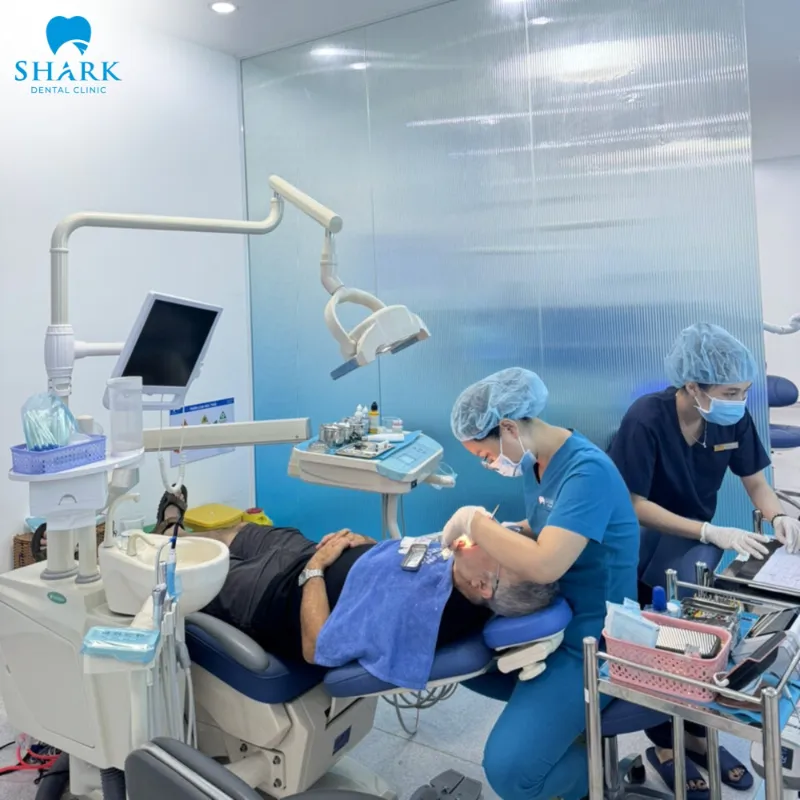
Braces vs veneers: Which should I choose?
When deciding between braces vs veneers, both methods are recognized as safe and effective solutions for improving dental aesthetics and function. However, each option has its own indications and advantages depending on individual needs.
| Comparison criteria | Braces | Veneers |
| Candidates | Suitable for individuals with crooked teeth, overbites, underbites, or misaligned dental structures. | Best for those with spaced teeth, discoloration, or minor cosmetic imperfections. |
| Technique | Utilize orthodontic appliances like brackets and archwires to apply controlled force, gradually moving teeth into proper alignment. | Involve thin porcelain shells that are bonded to the tooth surface to enhance appearance, covering issues like gaps or discoloration. |
| Treatment duration | The orthodontic treatment process typically lasts between 14 to 24 months, depending on the current state of your oral health and the level of misalignment of your teeth. | This procedure is generally completed much faster, usually within 3 to 5 days, depending on the number of teeth requiring veneer placement. |
| Effectiveness | Provide a high level of effectiveness by correcting overall dental structure, properly aligning teeth, and improving bite function, while minimizing long-term discomfort and complications. | Offer moderate effectiveness, mainly addressing aesthetic concerns such as spacing or discoloration rather than structural alignment. |
| Safety | Generally safe, though mild discomfort or soreness may occur due to the applied orthodontic forces. | Highly safe with minimal invasion. |
Cost comparison: Braces vs veneers
Braces cost in Vietnam generally ranges from 20,000,000 VND to 120,000,000 VND, depending on the orthodontic method used and the dental clinic providing the service. In contrast, porcelain veneers typically cost between 5,500,000 VND and 12,000,000 VND per tooth.
Overall, braces tend to be more expensive but can address a wide range of issues such as misalignment, irregular tooth structure, protrusion, underbites, and bite imbalances. Although veneers usually come with a lower total cost, the final expense depends on the number of teeth being treated.
To determine the exact cost for either braces or veneers, patients should visit a reputable dental clinic for a direct examination and receive detailed consultations from a qualified dentist.
Caring for porcelain and natural enamel
After receiving veneers or completing orthodontic treatment, proper care is essential to maintain stability and prevent complications. Here are some key points to consider:
- Maintain thorough oral hygiene by using a soft-bristled toothbrush and fluoride toothpaste, brushing gently to avoid excessive force.
- Use dental floss or a water flosser to remove food debris, and avoid using toothpicks that may damage the gums and surrounding tissues.
- Eat soft, easy-to-chew foods, and limit biting or chewing hard or overly tough foods.
- Avoid consuming tea, coffee, or heavily pigmented foods and drinks, as they may affect the color and surface of the teeth.
- Do not eat foods that are too hot or too cold, as they can cause sensitivity and affect the teeth.
- Schedule regular dental check-ups every 6 months to monitor oral health and detect any abnormal signs early (if present).
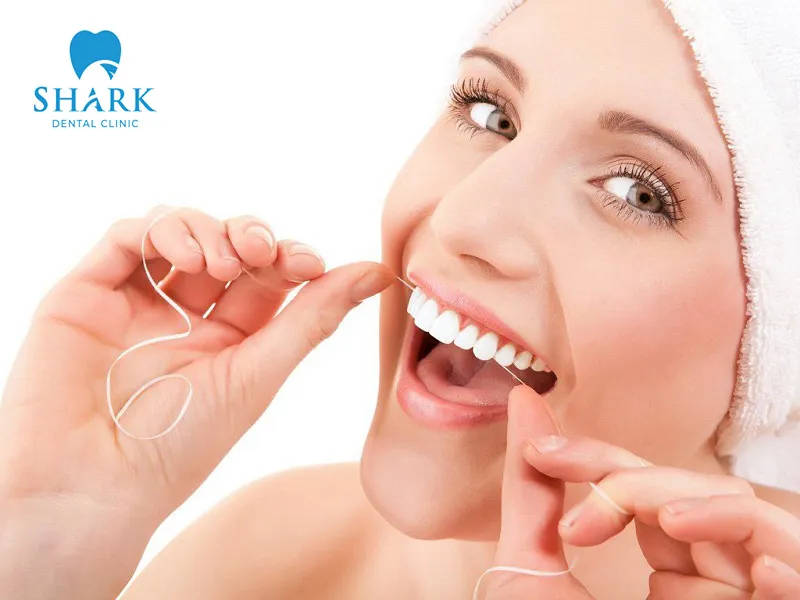
In summary, braces vs veneers are two distinct dental treatments, each with unique characteristics and advantages. To choose the most suitable option, it is advisable to visit a dental clinic so a dentist can evaluate your condition and recommend an appropriate treatment plan. With the information shared by Shark Dental Clinic, we hope that patients can achieve safe, effective orthodontic results and improve various dental imperfections.
>>> See more: How to floss with braces?