
Restoring teeth with laminate dental veneers is one of the most widely chosen cosmetic dental methods today, helping to effectively improve conditions such as gaps between teeth, stained or discolored enamel, and irregular or misaligned tooth structure. This method not only enhances aesthetics but also preserves most of the natural tooth structure. During the treatment process, many people still wonder what laminate porcelain veneers actually are and in which cases they should be applied. To better understand this method, let’s refer to the detailed information shared in the article below!
What are laminate dental veneers?
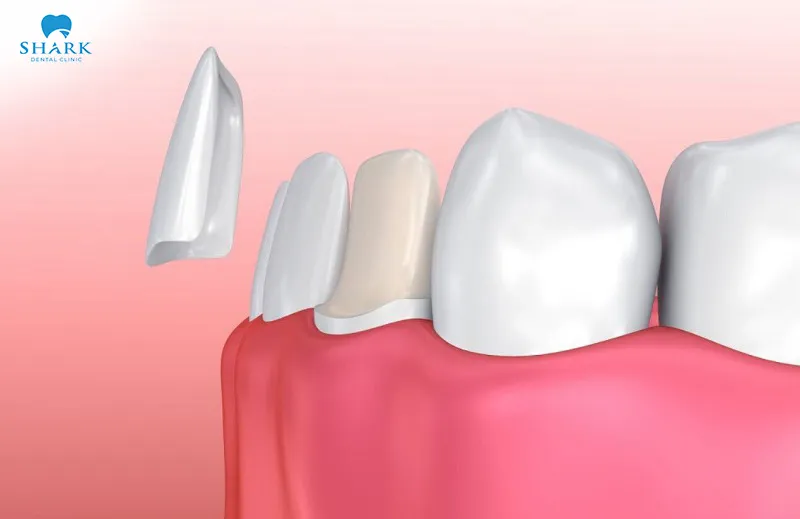
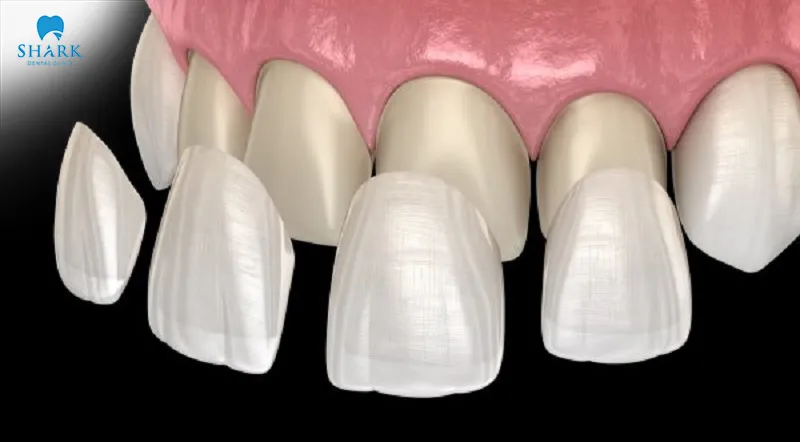
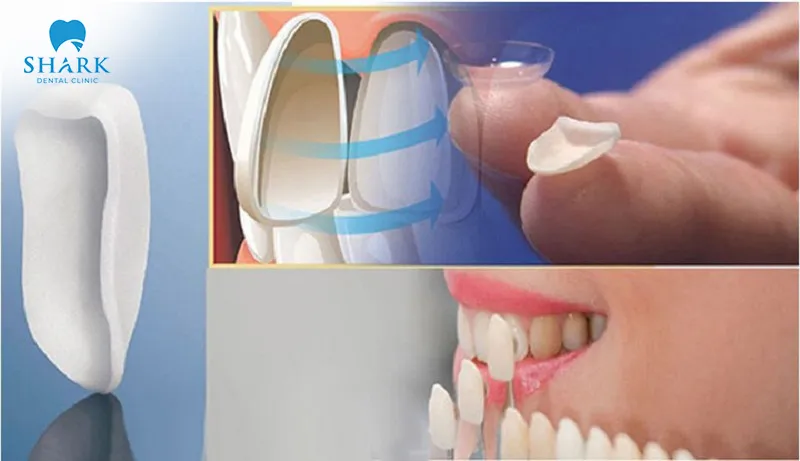
Laminate dental veneers are a high-end type of dental restoration made 100% from pure porcelain, without the inclusion of impurities or any metal components. This laminate porcelain material is designed to be ultra-thin, with a thickness ranging from approximately 0.1–0.5 mm, and is bonded directly onto the outer surface of the teeth to improve common imperfections such as yellowing, chipping, or small gaps between teeth.
Dental laminate veneers are highly evaluated for their safety and biocompatibility, as they adapt quickly when bonded to the teeth and provide a comfortable, natural feel during daily use. This is considered one of the premium porcelain veneer options that many dental professionals and specialists rate highly for both aesthetics and overall performance.
The pros and cons of dental laminates
Laminate dental veneers are commonly selected by many individuals who want to restore teeth affected by issues such as spacing, uneven tooth structure, or visible discoloration. However, similar to other dental treatment methods, this solution also comes with both advantages and certain limitations that should be considered carefully before deciding.
Pros:
A large number of patients choose dental laminate veneers because they provide several important benefits in terms of both appearance and durability:
- Preserves natural tooth structure: Due to their ultra-thin design, dental laminate veneers require very minimal tooth reduction, helping to maintain most of the original tooth structure while limiting unnecessary impact or intervention.
- High durability and strength: Laminate veneers can withstand forces of up to 550 MPa, which makes them strong, stable, and resistant to external impacts during daily use.
- High aesthetic quality: As a premium porcelain material, laminate veneers are crafted with great precision and detail, offering natural color, translucency, and an overall appearance that closely resembles real teeth.
- Applicable in multiple cases: Laminate dental veneers can be used for a variety of situations, including stained teeth, minor gaps, chipped teeth, or signs of enamel wear.
- Easy cleaning and maintenance: The smooth and polished porcelain surface helps reduce plaque accumulation, making daily oral hygiene and maintenance easier compared to some conventional materials.
- Excellent biocompatibility: Laminate veneers are highly regarded for their biological compatibility, meaning they rarely cause irritation and allow patients to achieve a natural-looking smile without negative effects.
Cons:
In addition to their advantages in durability and compatibility, laminate dental veneers still have several limitations that should be noted:
- This technique requires a high level of precision, including advanced fabrication technology, strong professional skills from the dentist, and careful attention during the procedure. Therefore, not every case is suitable for this method.
- The cost of laminate dental veneers is relatively high, which may not be accessible or suitable for all patients.
- It is not recommended for individuals with acute periodontal disease or for teeth that have previously undergone root canal treatment.
- It is also not suitable for cases of severe misalignment, significant bite problems, or teeth with large structural damage, where other treatment methods may be more appropriate.
Who is a good candidate for laminate veneers?
Laminate dental veneers are widely applied and are suitable for individuals who are experiencing certain dental imperfections, such as:
- People with yellowed or discolored teeth due to daily habits, who wish to improve and enhance their tooth color.
- Cases involving mild spacing or small gaps between teeth that affect both appearance and chewing function.
- Individuals with slightly misaligned teeth who want to improve aesthetics without undergoing complex orthodontic treatment.
- Teeth with worn enamel, exposed dentin, or symptoms such as sensitivity and discomfort.
- Those who want to enhance their smile aesthetics in a safe way, while minimizing invasive procedures and preserving as much natural tooth structure as possible.
How long do laminate veneers last?
Many patients who choose laminate dental veneers often wonder how long they can actually last in real use. In general, this is considered a premium porcelain material, and if it is properly cared for and performed at a reputable dental clinic, the lifespan typically ranges from 10 to 20 years, and in some cases, it may even last longer.
The durability of dental laminate veneers depends on several different factors, including the quality of the porcelain material, the way patients care for and maintain their oral hygiene after the procedure, as well as their daily habits. In addition, factors such as the veneer bonding technique and the professional skill and experience of the dentist also play a very important role in determining both the effectiveness and the long-term durability of laminate veneers.
How much do laminate veneers cost?
Currently, the cost of laminate dental veneers typically ranges from around 4,000,000 VND to approximately 15,000,000 VND per tooth. This price level may vary depending on the technology used and the specific dental clinic where the procedure is performed.
To know the most accurate and exact cost, patients are advised to choose a reputable dental clinic and visit directly for a consultation with a specialist dentist. Through a detailed examination, the dentist will provide appropriate recommendations and a more precise treatment cost based on the individual condition.
>>> See more: How much is dental veneer in Vietnam?
Dental veneers vs laminates: What is the difference?
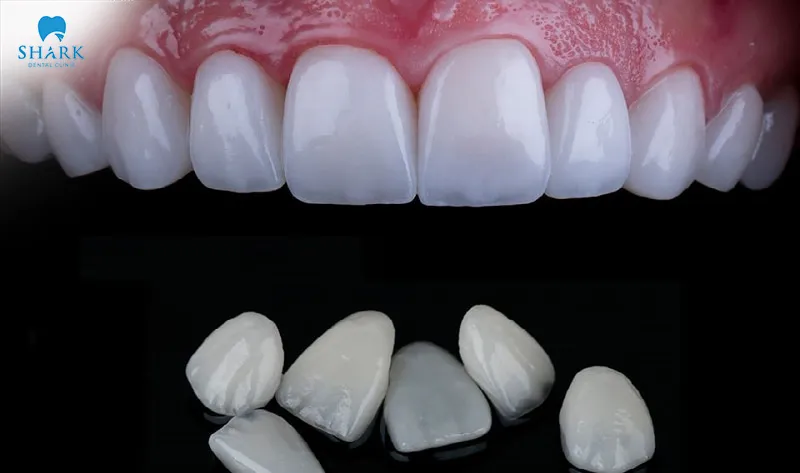
Both lumineers vs porcelain veneers are aesthetic dental restoration methods that use thin shells applied to the tooth surface to improve imperfections such as gaps, uneven tooth structure, or discoloration. However, these two methods still have some fundamental differences in terms of technique and overall effectiveness.
| Comparison criteria | Laminate dental veneers | Porcelain veneers |
| Thickness | Laminate veneers typically have a thickness ranging from 0.1–0.5 mm. | Porcelain veneers usually have a thickness of about 0.5–1 mm. |
| Impact on natural teeth | Minimizes the need for tooth reduction, preserving enamel and limiting damage as much as possible. | Requires removal of a thin layer of enamel to create surface roughness for bonding. |
| Aesthetics | Provides a more translucent and natural color, closely resembling real teeth, with high aesthetic value. | Offers a natural and attractive appearance, but slightly less aesthetic compared to laminate veneers. |
| Durability | Laminate veneers have very high durability and can withstand strong forces effectively. | Also durable with good strength, suitable for long-term use. |
| Cost | Relatively high cost, which may not be suitable for all patients. | Generally more affordable compared to laminate veneers. |
| Suitable candidates | Ideal for cases such as mild gaps, minor chips, or discolored/yellowed teeth that need improvement. | Suitable for mild dental imperfections that do not require extensive intervention. |
Overall, when comparing laminate dental veneers and porcelain veneers, both methods share certain similarities but also have clear differences. Among them, laminate veneers are considered a more premium option, offering better durability and higher aesthetic quality compared to standard porcelain veneers. Depending on individual needs and expectations, patients can consider these factors carefully to choose the most suitable veneer solution.
It is hoped that through the information provided about laminate dental veneers, including their characteristics, indications, advantages, and limitations, patients can better understand this option. If you are looking for a safe and effective dental restoration solution and wish to achieve a more confident and attractive smile, you can visit Shark Dental Clinic for consultation and timely support.