
Tooth extraction is one of the commonly performed dental procedures used to improve conditions such as tooth decay, crowded teeth, or misaligned and uneven tooth structure. Can you eat before a tooth extraction is a question that many people frequently ask when preparing for this treatment. Please refer to the information shared in the article below to better understand the recommendations and get the most accurate answer for your situation.
Can you eat before a tooth extraction?
According to dental specialists, whether you can eat before an extraction depends largely on the type of anesthesia that will be used during the treatment.
Local anesthesia
For cases using local anesthesia, the dentist will apply or inject anesthetic medication directly into the treatment area. This allows you to remain fully awake while not feeling pain during the procedure. Since this is considered a minor surgical procedure, you can generally eat normally before the extraction.
However, it is recommended not to eat excessively large meals, avoid stimulants such as alcohol, and make sure to stay properly hydrated. Maintaining a stable physical condition will help ensure that the tooth extraction process is carried out safely and smoothly.
Nitrous oxide
When nitrous oxide (laughing gas) is used, patients can usually eat before the procedure. This type of anesthesia helps you feel relaxed while still being aware of your surroundings and responsive to the dentist’s instructions. The procedure is typically gentle and does not cause significant discomfort, so you can feel reassured when choosing this option.
Intravenous (IV) anesthesia
In more complex cases, such as extracting multiple teeth at once, intravenous (IV) anesthesia may be used to control pain more effectively. Under this method, you may not be aware of what is happening during the procedure.
Before undergoing IV anesthesia, patients are usually instructed not to eat or drink anything, including water, for a certain period of time. Tooth extractions using IV anesthesia are often scheduled in the morning or early afternoon, typically after fasting for around 6 hours, to ensure safety and minimize potential risks.
>>> See more: How many days of antibiotics before tooth extraction?
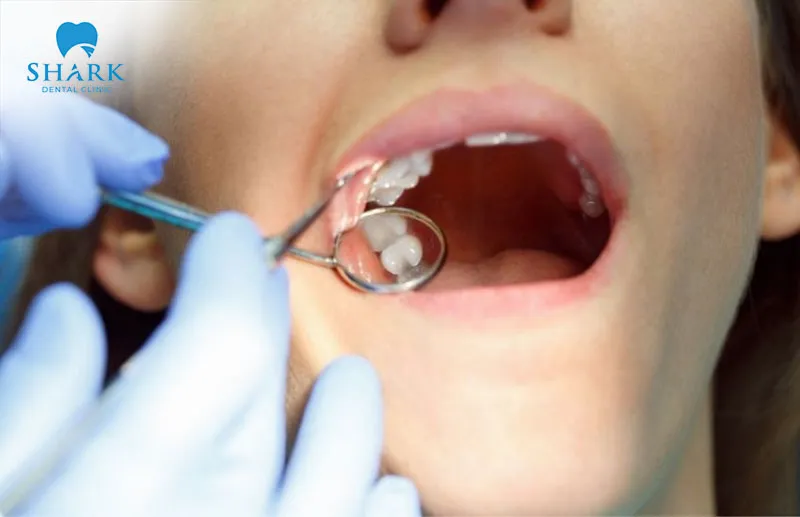
Dos and don’ts before tooth extraction
To ensure that the tooth extraction process is carried out safely and to minimize the risk of complications or unwanted side effects, dental specialists recommend that you carefully review and follow important pre-extraction guidelines. Proper preparation helps you maintain good overall health and a stable, calm mindset before undergoing the procedure.
Get a good night’s sleep
Before tooth extraction, many people tend to feel anxious or worried, which can lead to restlessness and difficulty sleeping. Dentists recommend that you try to relax your mind, stay calm, and prioritize getting enough quality sleep so your body is well-rested and in the best possible condition for the procedure.
Choose the right clothing
Since the tooth extraction procedure may take a certain amount of time, it is important to wear comfortable, loose-fitting clothing. Avoid tight or restrictive outfits that could cause discomfort, so you can feel relaxed and at ease throughout the entire treatment process.
Arrive early
Tooth extraction usually requires some basic examinations before the procedure begins. Therefore, you should arrive on time or even a bit earlier than your scheduled appointment. This allows the dentist to conduct necessary checks and helps avoid delays or the need to reschedule due to late arrival.
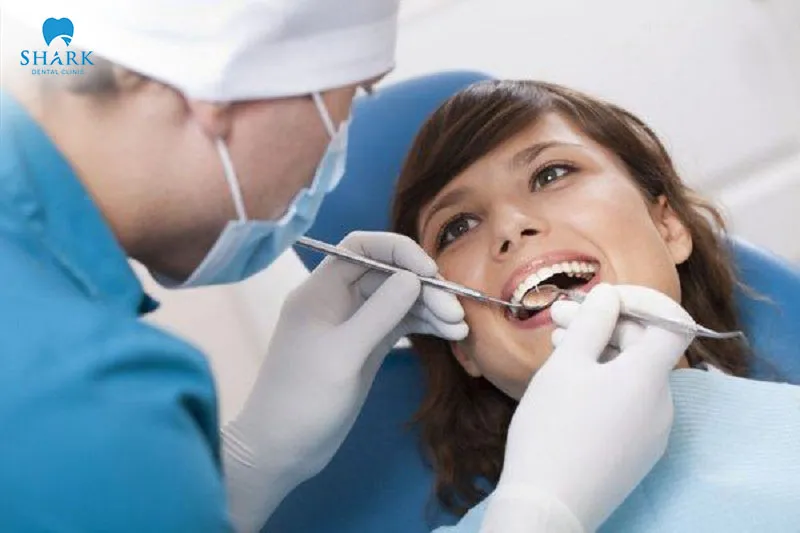
Avoid smoking
In addition to paying attention to your diet, you should strictly avoid smoking and consuming alcohol before tooth extraction. Stimulants like tobacco and alcohol can negatively affect the surgical site and may delay the healing process afterward.
Ask a family member or friend to drive you home
After the extraction, you may experience soreness, numbness, or discomfort. For safety reasons, it is advisable to ask a family member or a friend to accompany you and drive you home after the procedure, ensuring a safe and comfortable journey.
Pick up medication immediately after the treatment
Once the tooth extraction is completed, make sure to carefully follow your dentist’s instructions and collect any prescribed medications. Taking the medication exactly as directed will help the wound stabilize more quickly and reduce the risk of complications or negative effects.

Don’t be shy to ask questions
After the tooth extraction procedure, you should actively ask your dentist questions related to eating habits, daily activities, and proper oral care so that you can better understand the recovery process in detail. Gaining clear guidance will help the healing process progress more smoothly, support faster stabilization, and effectively reduce pain, discomfort, or the risk of infection after the extraction.
Concerns about can you eat before a tooth extraction have been clearly explained by dental specialists throughout this article. With this information, you can better understand the preparation process and confidently choose a safe and appropriate tooth extraction method. If you still have any questions or need further clarification, do not hesitate to contact the team at Shark Dental Clinic for timely consultation and dedicated support.