

Having a bright, even, and attractive smile plays an important role in helping you feel more comfortable and confident in daily communication. For this reason, veneers have become a widely preferred cosmetic dental solution today. In the article below, we will explore what are composite veneers, along with their notable advantages and disadvantages, to help you better understand this method!!
What are composite veneers?
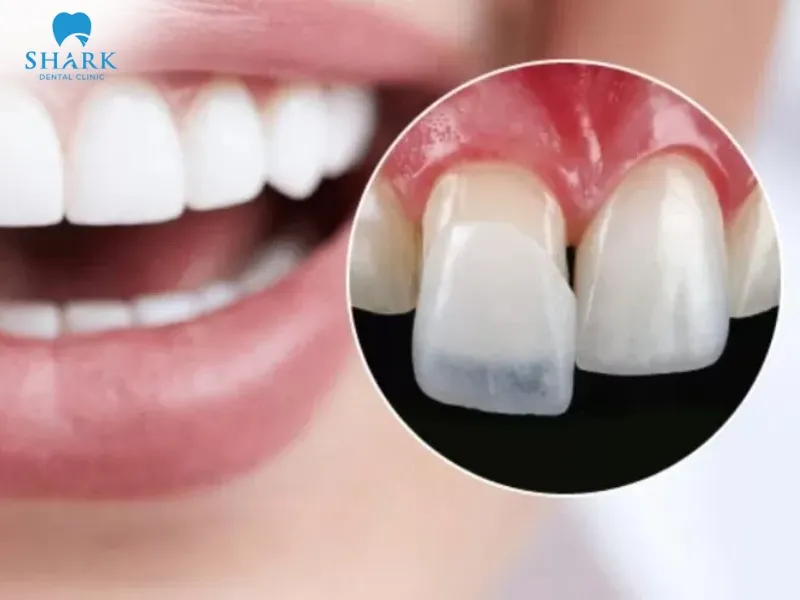
When discussing what composite veneers are, this is considered a modern cosmetic dental solution designed to improve the appearance of teeth in a minimally invasive and conservative manner. A common question for many patients is, do veneers hurt? Fortunately, because this technique involves minimal to no enamel removal, it is generally a painless experience. Composite veneers are thin layers made from acrylic-based composite resin, which are directly applied and bonded onto the surface of natural teeth. This technique helps enhance the color, shape, and overall aesthetics of the teeth while still preserving the maximum amount of natural tooth structure.
The composite material is carefully designed to match the natural shade of real teeth, offering a translucent and lifelike appearance that blends harmoniously with the surrounding dentition. In addition, with the support of modern dental techniques, the veneers can closely adapt and adhere to the tooth surface, effectively covering common imperfections such as yellowing, discoloration, uneven color tones, or minor surface defects. This makes composite veneers a popular choice for patients seeking a quick and effective aesthetic improvement without extensive tooth preparation.
Composite veneers vs. porcelain veneers
Below is a detailed comparison difference between composite and porcelain veneers based on key criteria:
| Criteria | Composite veneers | Porcelain veneers |
| Advantages |
|
|
| Disadvantages |
|
|
| Procedure / How it works | The dentist first thoroughly cleans the teeth and then directly applies composite resin onto the tooth surface. The material is carefully shaped and sculpted directly on the teeth to achieve the desired form and appearance. After shaping, a specialized curing light is used to harden the material. Finally, the surface is polished to complete the procedure and enhance aesthetics. | The dentist removes a thin layer of enamel, then takes precise dental impressions and sends them to a laboratory for fabrication. The veneers are created using advanced technology to ensure high accuracy and a proper fit with the natural teeth. Once completed, the veneers are bonded securely onto the original tooth surface. |
| Cost | The cost of composite veneers typically ranges from approximately 800,000 to 1,500,000 VND per tooth, making it a relatively affordable and budget-friendly option for many individuals. | The cost of porcelain veneers generally ranges from about 5,000,000 to 12,000,000 VND per tooth, depending on the brand and type of porcelain material selected. |
| Appearance | Composite veneers initially provide a fairly natural appearance, with a color that closely resembles real teeth. However, after about 1–2 years of use, the surface may gradually lose some of its original brightness, translucency, and gloss. | Porcelain veneers offer superior aesthetics, with high translucency and light reflection similar to natural enamel. They maintain long-term color stability and do not become dull or discolored over time. |
>>> See more: How much is dental veneer in Vietnam?
The composite veneers procedure step by step
The process of applying composite veneers at a dental clinic is relatively simple, convenient, and easy to perform. Below are the specific steps involved:
Step 1: Examination and consultation
First, the dentist conducts a thorough examination to assess the overall condition of the teeth and oral health. Any existing issues, such as gum inflammation, tooth decay, or periodontal disease, will be treated completely if present. After that, the dentist provides a consultation to help the patient choose the appropriate veneer type and shade, ensuring optimal aesthetic results.
Step 2: Tooth surface preparation
The teeth are professionally cleaned, and the surface is carefully prepared to ensure optimal bonding. This step helps create good adhesion between the composite material and the natural tooth, while also ensuring that the veneers fit comfortably without causing bulkiness or discomfort.
Step 3: Veneer shaping and application
The dentist applies a layer of composite resin directly onto the tooth surface and carefully sculpts it to achieve the desired shape and size that harmonizes with the natural teeth. After shaping is completed, a curing light is used to harden the material, ensuring stability and durability.
Step 4: Polishing and final adjustments
Finally, the veneers are adjusted to ensure proper bite alignment for normal chewing function. The dentist then thoroughly polishes the surface to create a smooth, glossy finish that closely resembles the natural shine of real teeth, completing the procedure.

Can composite veneers be removed or repaired?
Composite veneers can be removed or repaired relatively easily and quickly without the need to remove or replace the entire set of teeth. The procedure is minimally invasive to the natural enamel, straightforward to perform, and still ensures good aesthetic results, helping patients achieve a brighter, more even, and more confident smile.
Are composite veneers right for you?
Composite veneers are considered a suitable option for a variety of specific dental conditions, depending on each individual case:
- Teeth that are chipped, cracked, or slightly broken due to trauma, accidents, or strong impact during daily activities or sports.
- Gaps between teeth that affect overall aesthetics and may impact confidence in communication and daily life.
- Teeth that are discolored, yellowed, or stained due to frequent exposure to pigmented foods, beverages, or long-term antibiotic use.
- Mild to moderate cases of uneven, misaligned, or slightly crowded teeth that require aesthetic improvement.
If you fall into any of the cases listed above, you may consider composite veneers as an effective cosmetic solution. However, to clearly determine what composite veneers are and whether they are truly suitable for your condition, it is recommended to visit a reputable dental clinic for a proper examination and personalized consultation from a qualified dentist!

How to care for composite veneers properly?
Proper care plays an important role in maintaining the appearance and longevity of composite veneers. Below are scientifically recommended care guidelines that you can follow:
- Dietary habits: Composite veneers have relatively lower stain resistance, so you should limit the consumption of strongly pigmented foods and drinks such as coffee, black tea, and carbonated beverages. This also relates to the common concern of composite veneers stain, as staining can occur over time if not properly managed.
- Oral hygiene: You should brush your teeth 2–3 times daily using a soft-bristled toothbrush. Brush gently across all tooth surfaces to clean effectively while avoiding damage. Do not apply excessive force, as this may scratch or wear down the polished surface of the veneers. Choosing the best toothpaste for composite veneers—typically a non-abrasive formula—can further help protect their finish.

- Use of floss and water flosser: To improve cleaning efficiency, you can combine dental floss and a water flosser to remove food debris and plaque from areas that are difficult to reach with a toothbrush alone.
- Avoid harmful habits: You should avoid using your teeth to open bottles, biting your nails, grinding your teeth, or engaging in other habits that may place excessive force on the veneers and cause damage.
- Regular dental check-ups: To ensure that your veneers maintain both their aesthetics and durability, you should visit the dentist periodically, approximately every 3–6 months, for professional cleaning, polishing, and evaluation.
In summary, information about what are composite veneers, including their features, procedure, and proper care methods, has been clearly presented in the article above. This is a modern cosmetic dental solution that is cost-effective, minimally invasive, and widely chosen by many patients. Hopefully, through this content, you now have a better understanding of composite veneers and can make an informed decision about the most suitable dental restoration option for your needs.