

Experiencing tooth decay under a filling, even after a dental restoration, can be a source of concern for many patients. In reality, this condition can arise from a variety of underlying causes, requiring the dentist to conduct a thorough examination and apply appropriate, safe techniques to address the issue effectively. To better understand tooth decay under filling in a clearer and more detailed way, you can refer to the information presented in the article below.
What is recurrent tooth decay under filling?
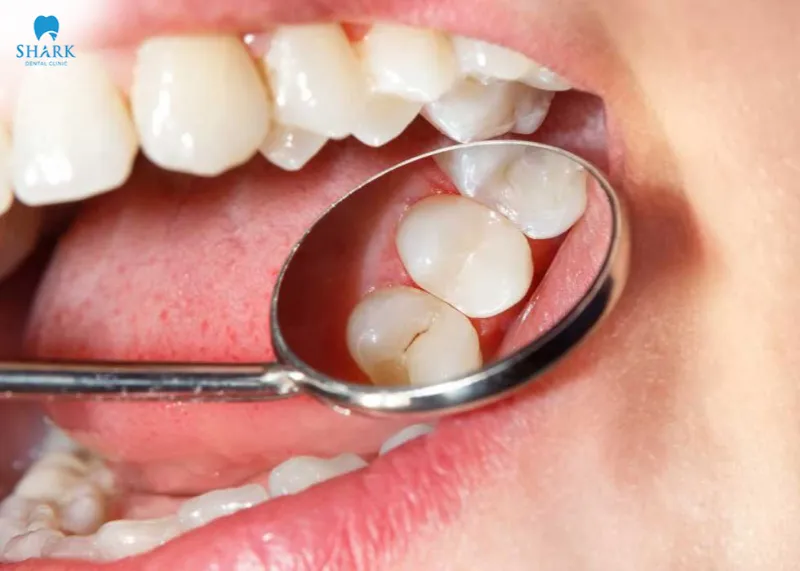
Tooth decay under filling, also known as recurrent decay, is a condition in which a tooth becomes infected and develops decay even after it has previously been treated with a dental filling. Common signs include tooth sensitivity after filling, persistent discomfort or pain, and in some cases, loosening or deterioration of the filling material.
In many situations, tooth decay under a filling may occur due to inadequate oral hygiene, a poorly sealed filling, or because the original decay was not completely removed before the filling procedure. Regardless of the cause, this condition can lead to various negative effects on oral health and should be addressed promptly with appropriate dental treatment to prevent further complications.
What causes tooth decay under fillings?
According to dental specialists, there are many different causes that can lead to tooth decay under filling, and these causes often develop gradually over time if not properly controlled. Below are the most common factors:
- Poor oral hygiene: After a dental filling procedure, plaque and food debris can easily accumulate around the restored tooth. If you do not maintain proper oral hygiene or clean your teeth thoroughly, bacteria will begin to develop and attack the tooth. Over time, this can lead to tooth decay under a filling and may even spread to adjacent teeth if left untreated.
- Loose or damaged filling: If the filling is not properly placed, or if the material becomes worn, dislodged, or slightly misaligned over time, small gaps can form between the filling and the natural tooth. These spaces allow bacteria to enter and grow, leading to infection, inflammation, and eventually tooth decay under the filling.
- Dietary habits: Regularly consuming sugary foods, sweets, or foods high in sugar content can significantly increase the risk of tooth decay. These foods provide an ideal environment for bacteria to thrive, which can gradually damage the tooth structure beneath the filling and negatively affect overall oral health.
- Dentist’s technique and expertise: If the dentist does not thoroughly clean the decayed area before placing the filling, or if low-quality materials are used, or if the procedure is not performed with precision, it can result in gaps, cracks, or weak bonding. As a result, food particles can easily get trapped, creating conditions for bacteria to grow and cause tooth decay under a filling.
- Severe decay treated with filling only: In some cases, teeth with extensive decay are still treated with fillings without completely removing the infected tissue. This can seriously affect the internal tooth structure after treatment, leading to persistent infection, prolonged pain, and recurring tooth decay under the filling.
Signs of tooth decay under a filling
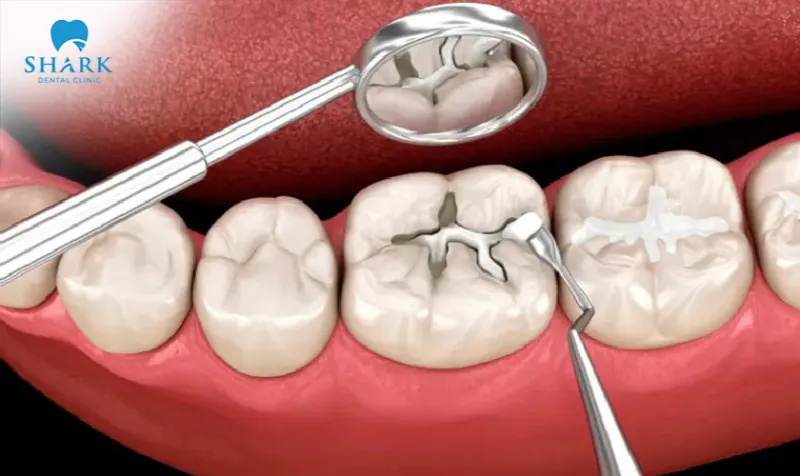
Tooth decay under a filling can usually be recognized through several basic but noticeable signs, such as:
- Sensitivity and discomfort: The tooth may become sensitive to hot and cold foods or drinks. You may frequently experience a sharp or lingering sensation of discomfort, which can affect daily eating habits and overall comfort.
- Dark discoloration: When decay develops beneath the filling, the tooth or the filling itself may begin to turn darker in color. The tooth structure is attacked by bacteria, leading to visible dark spots and thicker plaque accumulation around the affected area.
- Bad breath: One of the most noticeable signs of tooth decay under a filling is persistent bad breath. Bacteria trapped beneath the filling can build up over time, forming plaque and producing unpleasant odors that are difficult to eliminate.
- Persistent dull pain: A decayed tooth often causes ongoing, dull, or throbbing pain that does not go away easily. This discomfort can make chewing difficult and limit your ability to eat normally, especially when consuming certain foods.
How to prevent tooth decay under fillings?
To effectively prevent tooth decay under filling, the most important approach is to maintain proper oral care habits, practice consistent hygiene, and follow essential dental care principles. Below are some key methods you should pay attention to:
Choose a reputable dental clinic
To reduce the risk of tooth decay under a filling, it is important to choose a trusted and reputable dental clinic from the beginning. High-quality clinics are equipped with modern technology and have experienced dentists who carefully examine the condition of your teeth, assess the level of decay, and treat it thoroughly before placing the filling.
The dentist will also ensure that the filling procedure is performed safely, with proper technique and suitable materials, helping to achieve effective results while minimizing the risk of recurrent decay beneath the filling.
Maintain proper oral hygiene
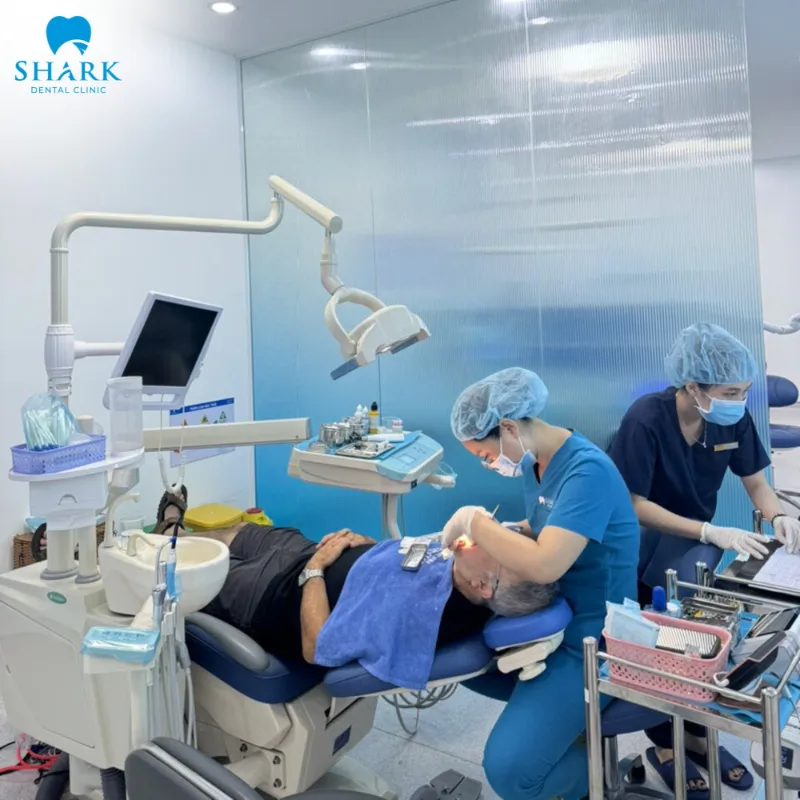
After getting a filling, you should pay close attention to daily oral care to prevent bacterial growth and infection. Brush your teeth thoroughly at least twice a day using a soft-bristled toothbrush, and choose toothpaste that contains fluoride to help strengthen enamel.
After eating, you should use dental floss or a water flosser to remove food debris and plaque around the gum line and between teeth. In addition, rinsing your mouth with saline solution or a suitable mouthwash can help clean the oral cavity more effectively and keep your breath fresh.
Build a healthy diet
To avoid tooth decay under filling, it is important to develop a balanced and healthy diet. You should prioritize foods that are rich in calcium and essential nutrients to support strong teeth and enamel. At the same time, limit sugary foods, sweets, and carbonated drinks, as they can increase the risk of bacterial growth and tooth decay.
Avoid harmful habits
Another important way to prevent tooth decay under a filling is to limit harmful habits such as nail biting, teeth grinding, or frequently chewing on very hard or overly sticky foods. These habits can damage the filling, cause it to loosen or crack, and create conditions for bacteria to enter, increasing the risk of decay and negatively affecting oral hygiene.
Regular dental check-ups
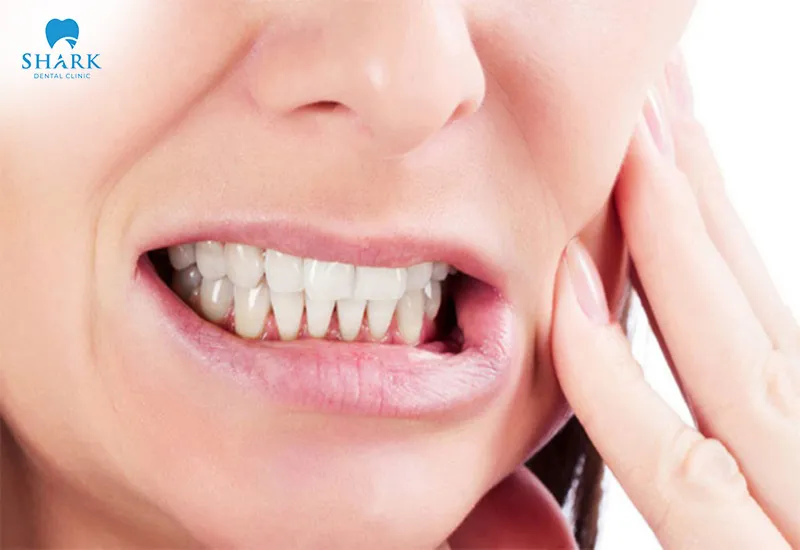
After getting a filling, you should schedule routine dental visits every 3–6 months to check whether the filling remains secure and stable, and to evaluate if there are any unusual changes affecting the treated tooth. Regular check-ups are also an effective way to detect early signs of tooth decay under filling and prevent other oral health problems from developing or worsening over time.
Treatment for tooth decay under a filling
When tooth decay under a filling occurs, it should be treated as soon as possible to prevent the infection from spreading and affecting adjacent teeth. If you notice symptoms such as pain, sensitivity, or persistent discomfort, you should visit a reputable dental clinic promptly for examination and proper assessment.
First, the dentist will usually take X-rays to determine the exact cause of tooth decay under a filling and evaluate the current severity and progression of the condition. This step helps ensure an accurate diagnosis and appropriate treatment plan. Next, the dentist will use specialized instruments to carefully remove the old filling. After that, all decayed tissue and any signs of infection beneath the filling will be thoroughly cleaned and treated, especially in areas where bacteria may have entered through small gaps or openings.
Finally, the treated area will be cleaned and restored using new filling material, ensuring a proper seal and helping to protect the tooth from further bacterial invasion. For more severe cases, where the decay has spread deeply and reached the pulp, the dentist may need to perform root canal treatment first to completely eliminate the infection. Once the tooth is fully treated and stable, a new filling or a dental crown may be applied, depending on the extent of damage and the patient’s specific needs.
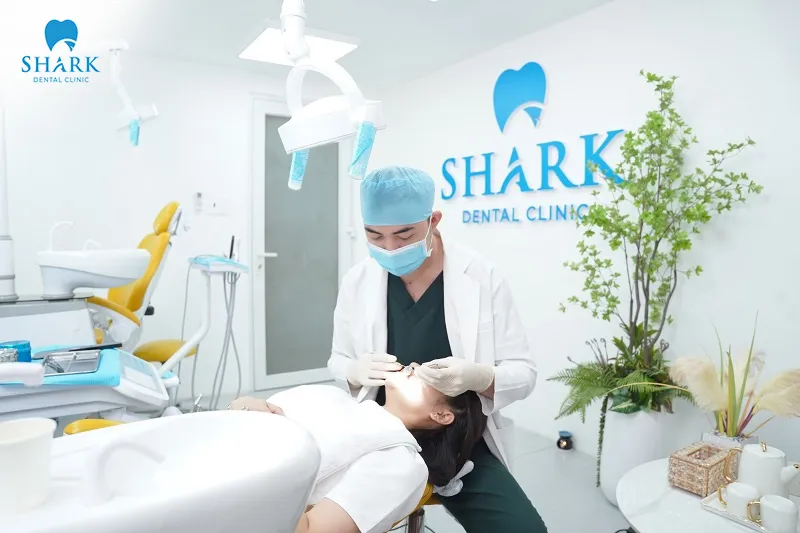
In general, tooth decay under filling is not an overly complex condition if it is detected early and managed properly. The key is to seek timely treatment at a reputable dental clinic, where safe and effective techniques can be applied to control infection and prevent it from spreading to surrounding teeth. If you have any concerns or questions related to tooth decay under a filling, you should contact a trusted dental clinic for prompt consultation, examination, and professional support to maintain your long-term oral health.