
Veneers are a modern cosmetic dental solution that helps enhance the appearance of your smile while minimizing tooth reduction, making them a popular choice for many people today. So, are veneers fake teeth, and who is the right candidate for this treatment? If you are also wondering about this question and want a clear, accurate answer, be sure to read the detailed information in the article below to better understand this method and determine whether it is suitable for your needs!
Are veneers fake teeth?
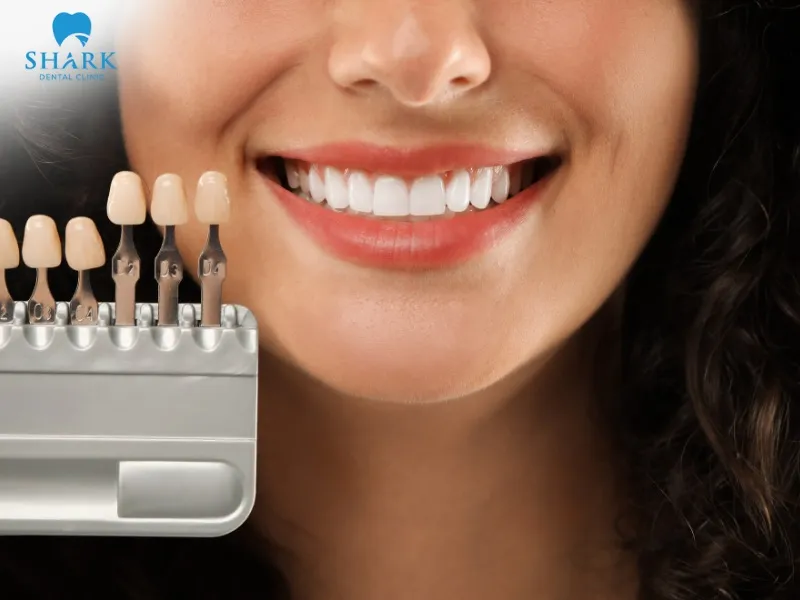
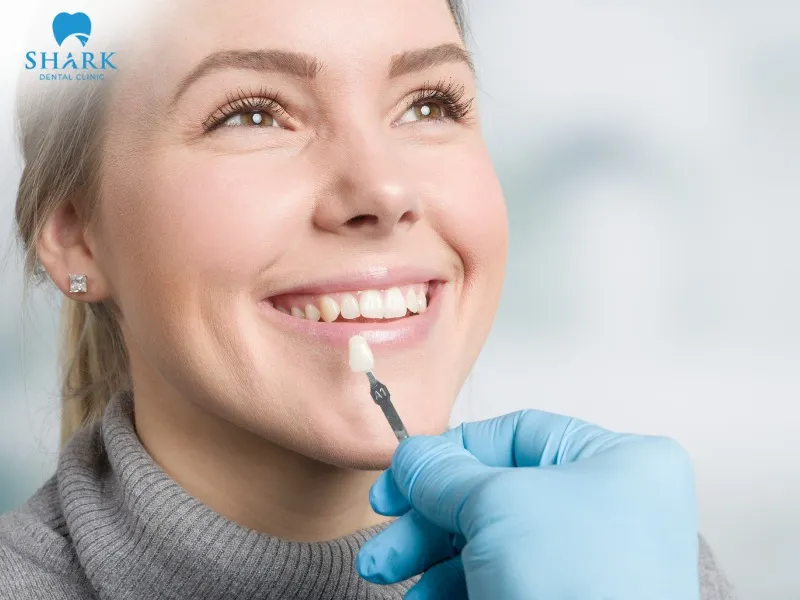
Many people wonder, are veneers fake teeth? The answer is no—veneers are not fake teeth. In reality, veneers are ultra-thin porcelain shells with a bright, natural-looking color, designed to be bonded to the front surface of natural teeth to improve imperfections such as discoloration, yellowing, minor chips, or uneven appearance.
As a result, the teeth can appear whiter, more uniform, and aesthetically pleasing, helping you feel more confident in your smile. A key feature of veneers is their highly natural appearance, as their color and translucency closely resemble real tooth enamel.
To undergo this procedure, patients need to have healthy teeth and a stable tooth structure. This is an essential condition to ensure that the veneers can adhere securely to the tooth surface, providing long-lasting results and a bright, harmonious smile.
How do veneers differ from fake teeth and dentures?
Below are some key differences that help clarify whether veneers are fake teeth compared to other dental restorations, such as fake teeth or dentures:
- Tooth reduction level: Veneers require only the removal of a very thin layer of enamel from the outer surface of the tooth. In contrast, fake teeth or dental crowns typically involve replacing most or nearly the entire original structure of a natural tooth, which requires more extensive tooth preparation.
- Restorative effectiveness: Veneers are designed to cover only the front surface of the teeth, helping to improve cosmetic concerns such as yellowing, discoloration, or minor surface imperfections. Meanwhile, fake teeth function as replacements for natural teeth, addressing more severe conditions such as extensive damage, fractures, or significant structural loss of the tooth.
- Purpose of use: Veneers are primarily used to enhance aesthetics, helping the teeth appear brighter, more even in color, and more visually attractive overall. On the other hand, fake teeth are mainly intended to restore the function of missing or severely damaged teeth, ensuring proper chewing ability and supporting daily oral functions effectively.
- Chewing ability: After getting veneers, you can eat and drink normally without any noticeable difference compared to your natural teeth. In contrast, using fake teeth may require a certain adjustment period, as patients need time to get used to chewing, and they may initially experience a slightly bulky or unfamiliar sensation in the oral cavity.
Benefits of veneers for smile improvement
Veneers are considered a modern cosmetic dental trend and are widely favored thanks to their outstanding advantages:
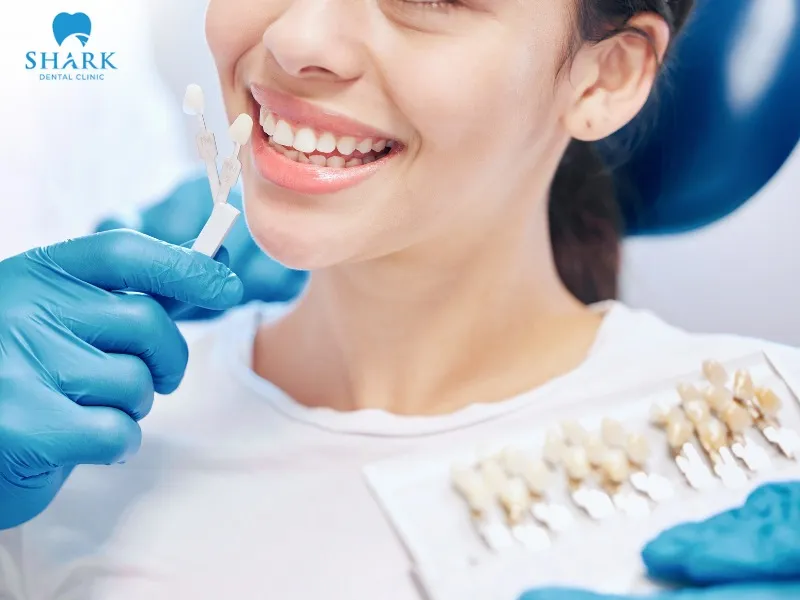
- High aesthetic value: Veneers closely match the color of natural teeth, offering a realistic translucency along with an ultra-thin design. As a result, they effectively improve issues such as yellowing, dullness, or uneven coloration, helping create a naturally bright, balanced, and harmonious smile.
- Preservation of natural teeth: This method does not require extensive tooth reduction or only involves removing a very thin enamel layer from the surface. Therefore, it helps preserve the natural tooth structure to the greatest extent while minimizing sensitivity, discomfort, or pain during and after the procedure.
- Safety and durability: Veneers are made from high-quality dental ceramics such as Cercon or Emax veneers. These materials are safe, highly biocompatible with the body, and provide excellent strength along with long-lasting durability over time.
- Comfortable experience: Thanks to their ultra-thin thickness and precise fit, veneers provide a comfortable and natural feeling during eating and daily activities, without causing bulkiness, irritation, or inconvenience in the mouth.
>>> See more: Do you need to shave teeth for veneers?
Limitations and risks of veneers
In addition to their outstanding advantages, veneers also come with certain limitations and potential risks that you should carefully consider before choosing this treatment:
- Not suitable for everyone: Veneers do not significantly alter or replace the underlying tooth structure. Therefore, for individuals with severely chipped teeth, extensive damage, or compromised tooth pulp, this method may not be appropriate or effective enough to address those conditions.
- Higher cost: Veneers provide optimal aesthetic results while preserving the natural tooth structure. However, because of these benefits and the materials involved, the overall cost is relatively high compared to some other dental treatment options.
- Requires high professional expertise: The veneer procedure requires the dentist to have a high level of expertise and extensive experience. It is essential that the dentist performs each step accurately and bonds the veneer precisely to ensure the best possible aesthetic outcome and long-term effectiveness.
Who is a good candidate for veneers?
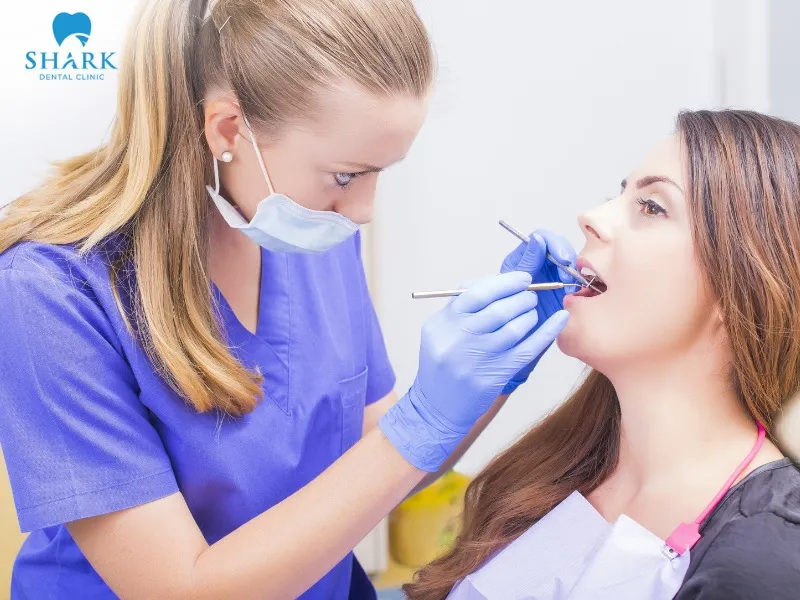
Below are some common cases where veneers are considered a suitable option to improve dental imperfections, especially for those wondering if veneers are fake teeth and whether this method is right for them:
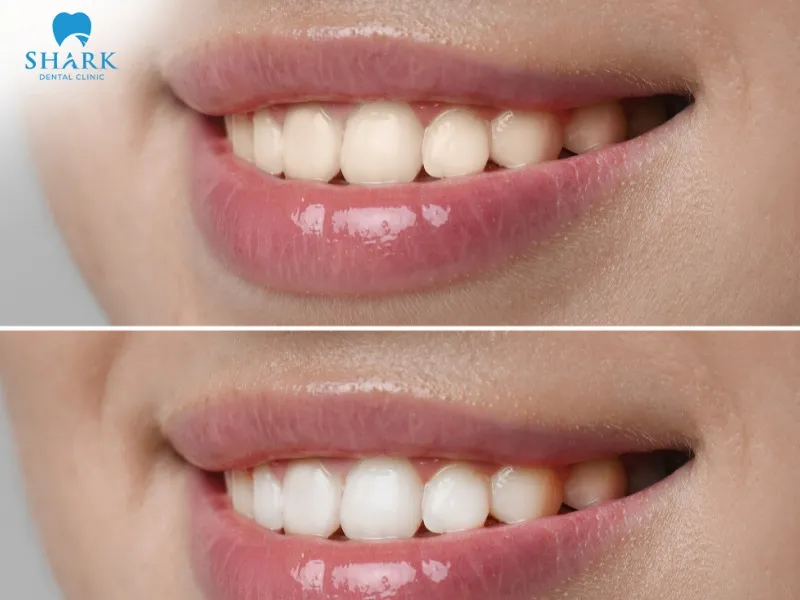
- Discolored or stained teeth: Teeth that have become yellowed or dull due to smoking habits, diet, daily lifestyle, or long-term use of antibiotics can be improved with veneers. This method helps cover the tooth surface effectively, restoring a brighter and more even appearance.
- Gapped teeth or small spaces: Individuals with naturally spaced teeth or small gaps between teeth can consider veneers. The thin porcelain shells help close these gaps, making the teeth look more uniform, balanced, and aesthetically pleasing.
- Chipped or mildly misaligned teeth: In cases of minor chips or slight misalignment, veneers can be a suitable solution for improvement. This method is minimally invasive and does not significantly affect the natural tooth structure, while still helping the teeth appear straighter and more even.
- Short or worn teeth: Teeth that appear short or have been worn down over time can be restored with veneers. After the procedure, the teeth will look more proportionate, creating a more harmonious and balanced smile.
- Mild overbite (protrusion): Individuals with mild protrusion can also consider veneers as a way to improve the overall appearance of their smile in a subtle and aesthetic manner.
How to maintain veneers for a natural look?
Whether porcelain veneers remain durable, aesthetically pleasing, and maintain their natural appearance over a long period of time largely depends on daily care practices and maintenance habits. Below are some proper and scientifically recommended care methods for porcelain veneers that you can refer to and apply in your routine:
- You should limit the consumption of strongly pigmented foods and beverages such as coffee, tea, and carbonated soft drinks, as these may affect the color and appearance of your veneers over time.
- Try to avoid foods that are too hard or excessively chewy, as they can create pressure on the veneers and potentially cause damage or reduce their lifespan.
- Do not use your teeth to tear packaging, bite your nails, grind your teeth, or open bottle caps. These habits can cause veneers to crack, chip, or even become severely damaged.
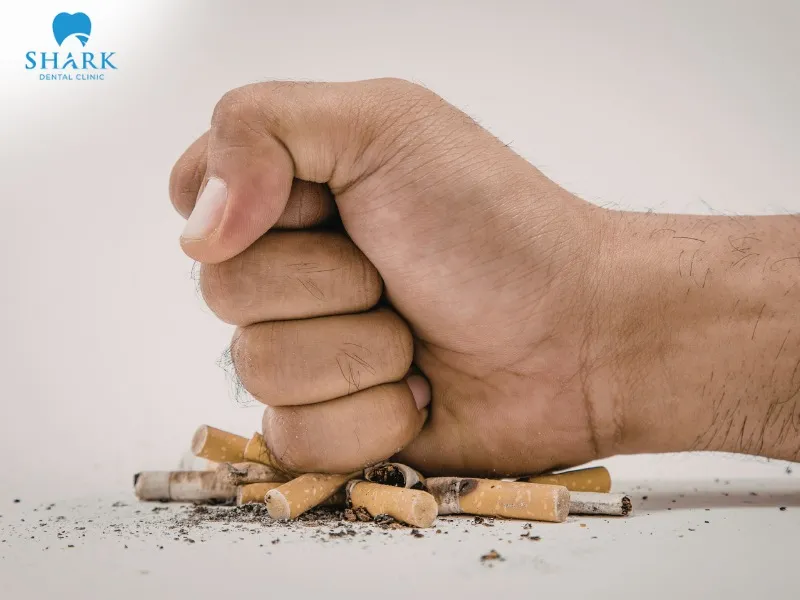
- After getting veneers, you should limit or completely avoid smoking. Tobacco contains harmful substances that can cause tooth discoloration and negatively affect overall oral health, potentially reducing the aesthetic results of your veneers over time.
- In your daily diet, you should prioritize nutrient-rich foods that help strengthen overall health and improve resistance, such as green vegetables, eggs, and red meat. At the same time, it is important to limit fast food, greasy meals, and beverages that contain stimulants, as these may have an adverse impact on both oral health and the longevity of your veneers.
- For oral hygiene, you should brush your teeth gently 2–3 times per day. It is recommended to use toothpaste with mild, safe ingredients that do not cause enamel wear or damage to the veneer surface.
- In addition, you should combine brushing with mouthwash or a water flosser to enhance cleaning effectiveness and help remove plaque and food debris more thoroughly.
- You should also maintain regular dental check-ups every 3–6 months to monitor your oral condition. This allows your dentist to detect any potential issues early and provide timely solutions to ensure long-term effectiveness and safety.
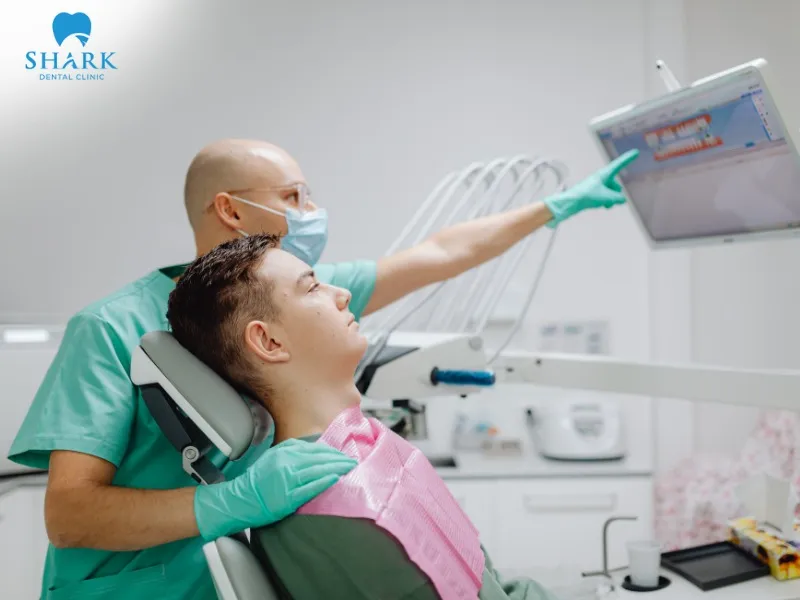
Through the information shared above, you now have a clear answer to the question of whether are veneers fake teeth. Hopefully, this article has helped you better understand this cosmetic dental method and how it works. If you are looking to achieve a brighter, more even, and more confident smile, you can consider veneers as a suitable solution for improving your overall dental aesthetics!