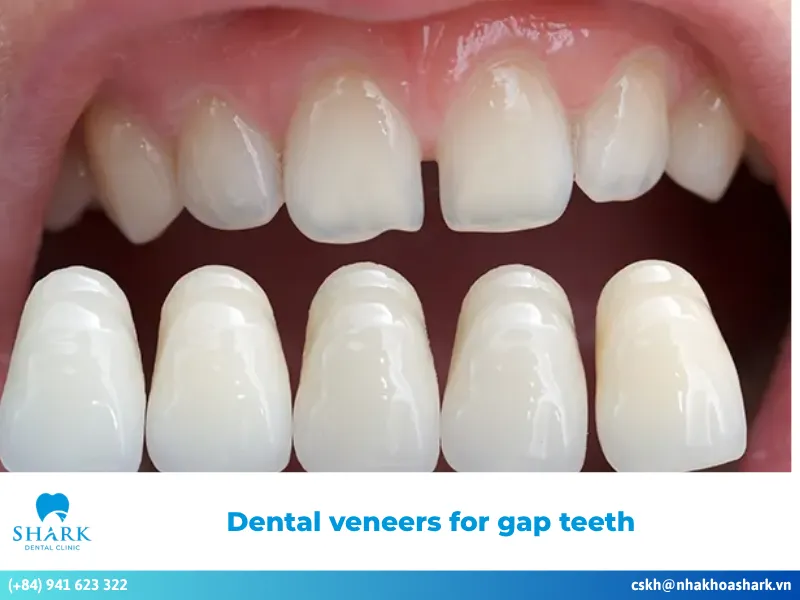

After getting porcelain veneers to improve issues such as discoloration and uneven tooth appearance, maintaining proper dietary and daily habits plays an extremely important role in preserving long-term results. One of the common questions many people have is whether can you chew gum with veneers and how this habit may impact their durability and overall condition. To better understand this concern and gain a clearer answer, you can refer to the detailed explanation provided in the article below!
Can you chew gum with veneers safely?
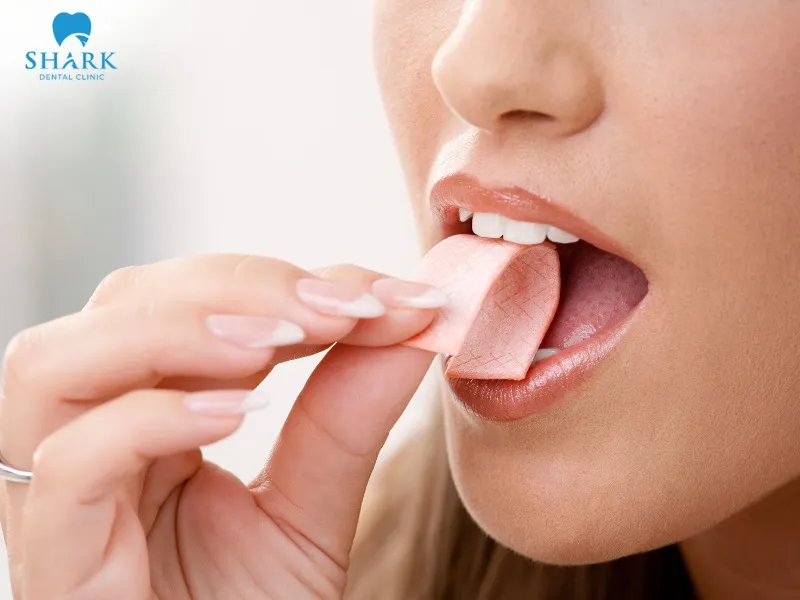
Many people wonder if you can chew gum with veneers. The answer is yes—you can still chew gum after getting veneers, but it should be done gently, in moderation, and followed by proper oral hygiene care. Veneers are made from high-quality porcelain materials that offer good durability, strong resistance to pressure, and reliable bonding strength. Once they are securely attached to the tooth surface, occasional gum chewing will generally not affect the longevity or overall performance of the veneers.
However, some types of gum have a high level of stickiness and elasticity. If you chew too forcefully or too frequently, it may create unnecessary stress on the bonding layer between the veneer and the natural tooth. In addition, gum that contains a high amount of sugar can become an ideal food source for bacteria, increasing the risk of tooth decay and negatively impacting overall oral health if not cleaned properly afterward.
Risks of chewing gum with porcelain veneers
After getting veneers, frequent gum chewing or applying excessive chewing force over time may lead to several potential risks, including:
- Damage to the bonding layer: Veneers are ultra-thin and are fixed onto the tooth surface using a specialized dental adhesive for veneers. If you chew gum too aggressively or continuously for long periods, it can place repeated pressure on the jaw muscles and teeth, which may gradually weaken or affect the durability of the bonding layer.
- Reduced aesthetic results: Habitual or excessive gum chewing may contribute to the formation of very small gaps between teeth over time. This can affect the overall appearance of your smile while also creating areas where food debris and bacteria can accumulate more easily, increasing the risk of dental issues.
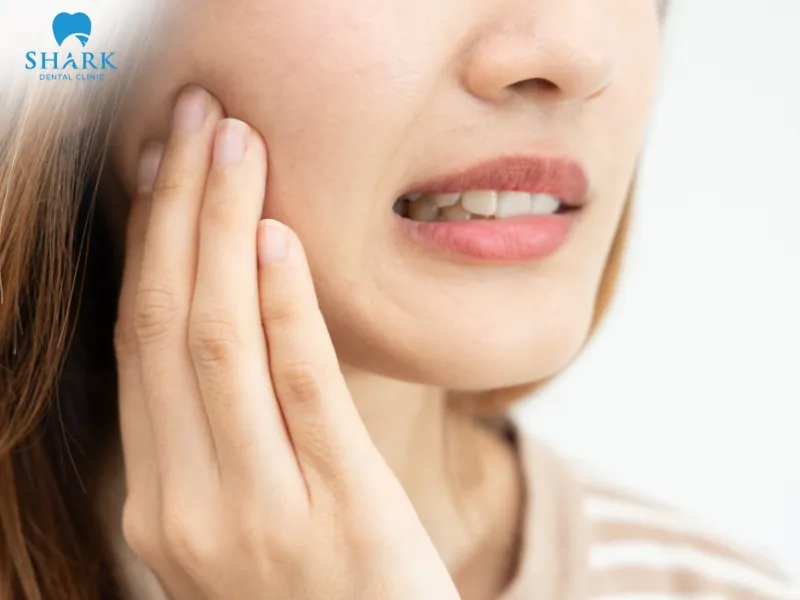
- Increased pressure on the jaw: Chewing gum frequently can place continuous pressure on the jaw muscles and bite alignment. Over time, this may lead to increased tooth sensitivity, jaw fatigue, or even mild discomfort and soreness in the teeth and surrounding areas.
- Higher risk of tooth decay: Most types of gum contain sugar or sweetening agents. When consumed regularly, these substances can feed bacteria in the mouth, promoting their growth and increasing the risk of cavities, gum issues, and overall oral health problems.
Types of gum to avoid with veneers
Below are some types of gum that you should limit or avoid after getting veneers to help maintain both oral health and long-term aesthetic results:
- Sugary gum: Gum that contains a high amount of sugar provides an ideal environment for bacteria to survive and multiply. As a result, frequent consumption of sugary gum can make teeth more vulnerable to damage, increasing the risk of decay and negatively affecting overall oral health in the long term.
- Overly sticky gum: Gum with excessive stickiness or elasticity requires a stronger and more continuous chewing force. This can place added pressure on the veneers and is one of the factors that may weaken or damage the dental bonding layer after veneers have been applied.
- Gum with strong coloring agents: Some types of gum contain dark or highly pigmented coloring agents. If consumed too often, these substances may lead to tooth discoloration, causing the teeth to appear dull, yellowed, or less aesthetically pleasing over time.

When is it safe to chew gum after getting veneers?
You can usually chew gum after 24–48 hours, once the veneers have fully settled. This period allows the veneers to fully bond and stabilize securely on the tooth surface, ensuring optimal adhesion and long-term durability.
However, even after this initial period, it is important to chew gum in moderation and avoid applying excessive force while chewing. Gentle chewing helps protect the bonding layer and maintains the effectiveness of the restoration, reducing the risk of damage or unnecessary stress on the veneers over time.

Best oral care tips to maintain veneers
After getting veneers, you should follow proper and consistent oral care practices to maintain their durability and natural appearance. Below are some recommended care tips:
- Maintain regular brushing habits: Brush your teeth 2–3 times daily using a soft-bristled toothbrush. You should brush gently in circular motions to effectively remove food debris, plaque, and bacteria while avoiding unnecessary pressure on the veneers and surrounding teeth.
- Rinse your mouth properly: You should rinse your mouth regularly with saline solution or a suitable antiseptic mouthwash. In particular, after chewing gum or eating, rinsing helps remove leftover food particles and keeps the oral cavity clean and fresh.
- Follow a balanced diet: In your daily meals, prioritize nutrient-rich foods that support overall health and are easy to chew. At the same time, limit foods that require excessive biting force to help protect both your natural teeth and veneers.
- Schedule regular dental check-ups: You should visit your dental clinic every 3–6 months, or follow your dentist’s recommended schedule. Regular check-ups allow the dentist to monitor the condition of your veneers and promptly address any potential issues if abnormalities arise.

Through the content above, the question of whether can you chew gum with veneers has been clearly answered. Hopefully, the information shared in this article helps you better understand how to care for and protect your oral health effectively. If you need further advice or consultation about veneers, do not hesitate to contact Shark Dental Clinic for detailed guidance and professional support!