
Maintaining a proper diet after wisdom tooth removal plays an important role in supporting healing and ensuring a smooth recovery process. In addition to the foods consumed in daily meals, soda is one of the beverages that many young people enjoy regularly. This often leads patients to ask: When can I drink soda after wisdom tooth extraction without affecting the healing wound? The answer to this common question will be revealed in detail in the article below by Shark Dental Clinic!
When can I drink soda after wisdom tooth extraction?
It is generally recommended to avoid soda for at least 3–5 days after the procedure. In particular, the first two days are considered the most critical stage of healing, as this is when a protective blood clot forms within the extraction socket. This blood clot acts as a natural barrier, covering and protecting the underlying nerves and bone during the early recovery period.
Drinking soda too soon can interfere with the body’s natural healing process and increase the risk of disrupting the blood clot. When the clot becomes dislodged or damaged, the extraction site becomes more vulnerable to irritation, infection, and complications such as dry socket. After approximately five days, most patients can gradually resume drinking soda. However, it is still advisable to consume it in moderation, take small sips, and avoid excessive intake to minimize irritation to the healing gum tissue.
What happens if you drink soda too soon?
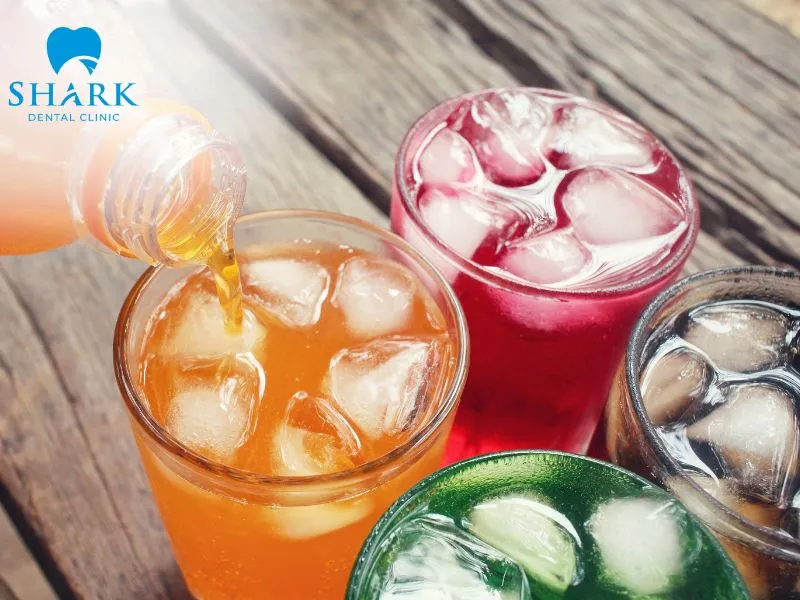
Drinking soda too early after wisdom tooth extraction can have a negative impact on the healing wound inside the mouth. The combination of carbonation, sugar, and acids found in many soft drinks may irritate the extraction site, delay healing, and increase the risk of complications.
- Disruption of the blood clot: Many carbonated beverages contain gas bubbles that create pressure within the oral cavity. These bubbles can directly affect the blood clot that is forming inside the extraction socket. If the clot becomes dislodged prematurely, the socket may be exposed, increasing the risk of developing dry socket and other post-extraction complications.
- Irritation of the oral tissues: Soft drinks typically contain high levels of sugar and acid. When consumed too soon after tooth extraction, these acidic ingredients can come into contact with the sensitive gum tissues surrounding the extraction site. This may cause pain, tooth sensitivity, discomfort, and a slower rate of tissue regeneration during healing.
- Increased risk of infection: The sugar content in soda provides an ideal environment for bacteria to grow and multiply. As bacteria accumulate around the extraction site, they can increase the likelihood of inflammation and infection. If left unchecked, the infection may become more severe and affect the healing process.
- Bleeding from the extraction site: In some cases, drinking soda shortly after wisdom tooth removal may cause the extraction site to bleed again. The pressure created by carbonation can irritate the surgical area and disturb the newly formed blood clot, resulting in minor bleeding or prolonged healing.
- Weakening of tooth enamel and dentin: Frequent exposure to acidic soft drinks can affect not only the healing tissues but also the structure of the surrounding teeth. High acid levels may contribute to enamel erosion, increased gum sensitivity, faster demineralization, and a greater risk of tooth sensitivity and tooth decay.
- Reduced effectiveness of medication: Consuming sugary soft drinks after tooth extraction may alter the stomach’s initial absorption environment. If you are taking prescription medications during recovery, such as pain relievers or antibiotics, excessive soda consumption may reduce their effectiveness and potentially affect treatment outcomes.

Safe alternatives to soda
After a tooth extraction, it is important to stay hydrated to help keep the mouth clean and soothe the healing gum tissues. Drinking enough fluids also helps maintain a healthy level of moisture in the oral cavity, which can support a faster and smoother wisdom tooth extraction recovery process. If you are wondering when you can drink soda after wisdom tooth extraction, consider choosing the following beverages during the healing period instead.
Water
Plain water is always the safest and most recommended choice after a tooth extraction. Drinking water helps prevent dry mouth, flush away food particles, and reduce the buildup of bacteria in the oral cavity. For this reason, dentists often recommend drinking approximately 1.5–2 liters of water per day to support oral health and promote healing after the procedure.
Vegetable or fruit juices that are low in acid
Vegetable and low-acid fruit juices contain valuable vitamins and minerals that support overall health and help the body regenerate new gum tissue more effectively. However, before drinking these juices, it is advisable to remove any pulp or fibrous residue. This helps prevent small particles from becoming trapped around the extraction site, which could increase the risk of irritation or infection.

Yogurt
Yogurt has a soft, smooth texture and a naturally cool temperature that can help relieve discomfort after tooth extraction. It is often a comfortable food choice during the first few days of recovery. In addition, yogurt contains beneficial probiotics that may help limit the growth of harmful bacteria in the oral environment, supporting better oral health during the healing process.
Milk
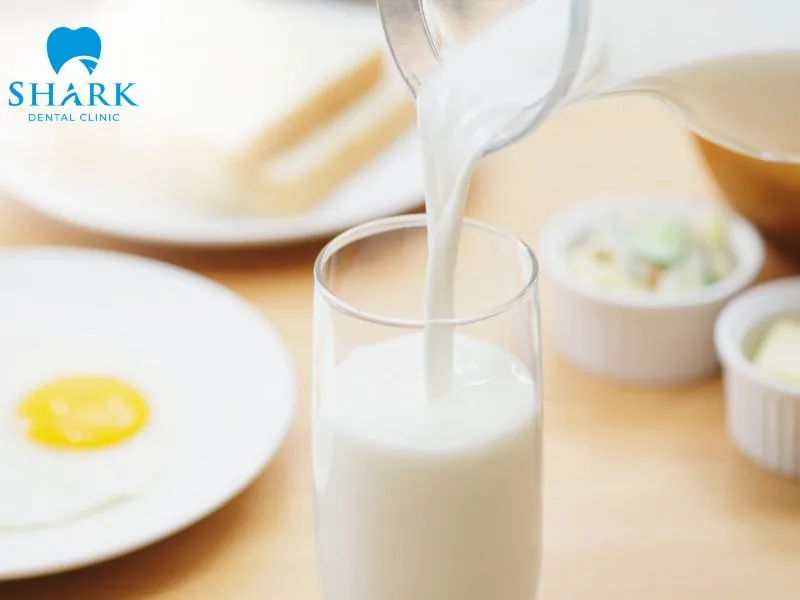
In addition to yogurt, pasteurized milk, soy milk, and nut-based milk are also good options for patients who have recently undergone a tooth extraction. These beverages are rich in calcium and protein, both of which are important nutrients for maintaining oral and overall health. For best results, you should choose low-sugar varieties and consume them at a cool, comfortable temperature rather than extremely hot or cold!
Drinks to avoid after tooth extraction
Besides avoiding soda, patients recovering from wisdom tooth extraction should also limit beverages that contain excessive sugar or harmful stimulants. These drinks may slow healing, irritate the extraction site, and increase the risk of complications:
Alcohol, beer and stimulants
Alcoholic beverages and stimulant-containing drinks should be avoided for at least seven days after tooth extraction. These substances can dilate blood vessels, interfere with the healing process, and increase the risk of prolonged bleeding. In some cases, excessive consumption may also weaken the body’s immune response, making recovery slower and increasing the likelihood of complications.
Sugary and carbonated drinks
Sugary and carbonated beverages such as soft drinks, soda, milk tea, and energy drinks should be removed from your diet during the recovery period. These beverages create an environment that encourages bacterial growth and may increase the risk of infection around the extraction site. In addition, the carbonation in these drinks can disturb the blood clot that forms after tooth extraction, potentially delaying healing and increasing the risk of complications.
Caffeinated drinks
After a tooth extraction, it is advisable to limit caffeinated beverages such as coffee. Caffeine can contribute to dehydration and reduce moisture levels within the oral cavity, which may negatively affect the healing process. When the mouth becomes dry, bacteria can grow and spread more easily, increasing the risk of bad breath after tooth extraction, gum irritation, and oral infections. In more serious cases, excessive dryness may make the extraction site more sensitive and slow the natural recovery process of the surrounding tissues.
>>> See more: What should or avoid before and after wisdom teeth removal?

Can I use a straw when drinking water after having a tooth extracted?
For approximately 3–5 days after a tooth extraction, you should avoid using a straw when drinking water or other beverages. Using a straw creates suction pressure inside the mouth, which can place unnecessary stress on the healing extraction site.
This mechanical pressure may dislodge the blood clot that has formed inside the socket, damage the surrounding soft tissues, and interfere with the body’s natural healing process. As a result, recovery may take longer, and the risk of post-extraction complications can increase.
For this reason, it is best to drink plain water in small, gentle sips rather than through a straw. You should also make sure to consume the recommended amount of water each day to stay properly hydrated and support healing. Drinking enough water in the right way not only promotes faster recovery but also helps protect the blood clot that forms after tooth extraction.

The information above has provided a detailed answer to the question, “When can I drink soda after wisdom tooth extraction?” In addition, this article has outlined the beverages you should avoid and the safer alternatives that can support healing after wisdom tooth removal. Shark Dental Clinic hopes these insights help you better understand post-extraction care so you can recover comfortably and reduce the risk of infection or other complications. Wishing you a healthy smile and a smooth recovery journey!