

Tooth extraction is a common dental procedure performed to remove a damaged, broken, or non-functional tooth from the dental arch. Although the procedure itself is relatively routine, many people experience concerns during the recovery period afterward. Among the various post-extraction complications that patients worry about, dry socket is one of the most common issues. What causes dry socket after tooth extraction? Why does it occur in some cases? Are there effective ways to reduce the risk of developing it? Let’s explore these questions in detail in the article below!
What is a dry socket after a tooth extraction?
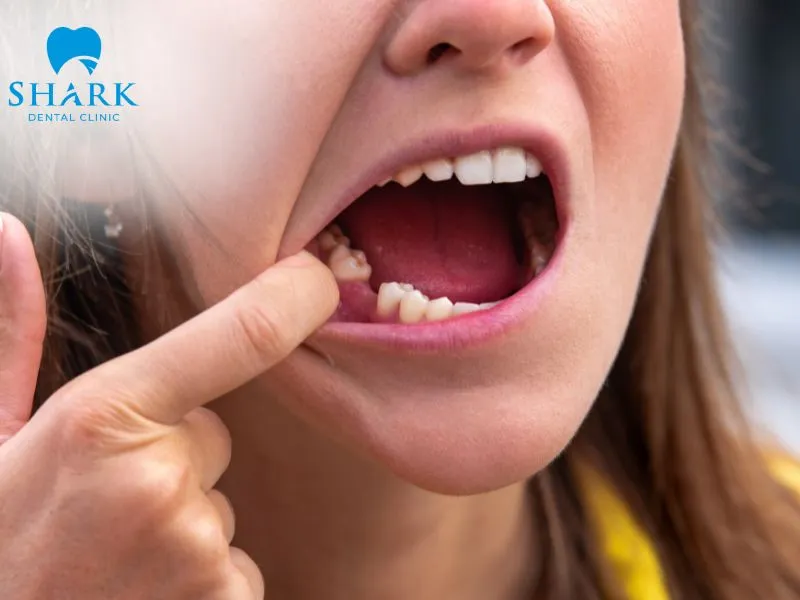
A dry socket after tooth extraction is an oral health complication that occurs when the blood clot either fails to form properly or becomes dislodged too early after a tooth has been removed. When this happens, the extraction site is left unprotected and becomes more vulnerable to infection and inflammation. As a result, the underlying bone and nerve endings within the tooth socket are exposed to bacteria and other harmful substances in the oral cavity, leading to a condition known as dry socket.
Some of the most common symptoms of dry socket after tooth extraction include severe and persistent pain, increased tooth sensitivity, and prolonged discomfort that may last for 2–3 days or longer. The pain can gradually spread throughout the mouth and may even radiate to the jaw muscles, ear, or temple area, significantly affecting daily activities and overall quality of life. Because this condition can become increasingly painful and lead to further complications, prompt diagnosis and treatment are essential.
Cause of dry socket after tooth extraction
Dry socket after tooth extraction is one of the most common complications that can occur following a tooth removal procedure. Several factors may contribute to the development of this condition, including:
- Poor oral care habits: After a tooth is extracted, a blood clot after tooth extraction naturally forms to protect the extraction site and support the healing process. However, forceful rinsing, vigorous spitting, or improper oral hygiene practices can accidentally dislodge or damage the blood clot, causing the wound to heal more slowly and increasing the risk of developing a dry socket.
- Smoking: Nicotine found in cigarettes can significantly slow down the body’s natural healing process while also interfering with the stability of the protective blood clot. In addition, the suction created while smoking increases pressure inside the mouth, making the extraction socket more susceptible to inflammation and infection.
- Oral infections: Patients who have existing dental conditions such as tooth decay, periodontal disease, gum inflammation, or other oral infections may face a higher risk of experiencing dry socket after tooth extraction. These conditions can interfere with normal healing and increase bacterial activity around the extraction site.
- Hormonal imbalances: Some women experience abnormal fluctuations in estrogen levels, which may affect blood clot formation following tooth extraction. This hormonal disruption is considered one of the common reasons why certain female patients are more likely to develop painful dry socket complications.
- Complex tooth extractions: Procedures involving impacted teeth, severely misaligned teeth, or technically challenging extractions may increase the likelihood of developing a dry socket. In some cases, individuals with more complex jaw or tooth structures may also be at greater risk of experiencing inflammation within the extraction socket.
- Age: In practice, dry socket after tooth extraction tends to occur more frequently in older adults than in younger individuals. This is because the body’s natural healing ability gradually declines with age, while peripheral blood circulation also becomes less efficient, making the healing process slower and increasing the risk of complications.

How to prevent dry socket after tooth extraction?
A dry socket after tooth extraction can often be prevented with proper aftercare. Below are several useful measures that can help reduce the risk of complications and support a smooth healing process:
Follow your surgeon’s instructions to the letter
After a tooth extraction, you should bite down on sterile gauze placed over the extraction site for at least 30–45 minutes. The gauze helps control bleeding and supports the formation of a stable blood clot, which plays an important role in protecting the wound and preventing infection. In addition, be sure to follow your dentist’s instructions regarding pain relievers and anti-inflammatory medications. Taking medication as prescribed can help support the healing process and reduce the risk of complications.
Avoid smoking
Smoke after tooth extraction is one of the leading causes of dry socket after tooth extraction and can seriously affect the healing process. For this reason, you should avoid smoking completely for at least the first 48–72 hours after the extraction. After this period, smoking may be resumed if necessary, but it should still be limited to help protect your oral health and allow the extraction site to heal properly.

No straws, no spitting
During the first 1–2 days after tooth extraction, you should avoid using straws when drinking. The suction created by a straw can dislodge the blood clot that has formed in the socket. You should also avoid forceful spitting or putting pressure on the newly formed blood clot. Keeping the clot stable during the early healing stage is essential for preventing infection and reducing the risk of dry socket after tooth extraction.
Stick to soft foods
A healthy and balanced diet plays an important role in healing after tooth extraction. During the first 1–3 days, it is best to choose soft foods that are easy to chew and swallow, such as porridge, soup, broth, smoothies, and similar foods. You should also chew gently and avoid spicy foods, heavily seasoned dishes, and foods with small particles that may irritate the extraction site or become trapped in the wound.

Proper oral hygiene
After tooth extraction, it is important to keep your mouth clean at all times. You should brush your teeth 2–3 times a day using a soft-bristle toothbrush to avoid irritating the healing area. In addition, dental floss and water flossers can be used to help remove food debris and bacteria from the oral cavity, helping maintain good oral hygiene during recovery.
Gently rinse with salt water
Salt water has natural antibacterial properties that help keep the mouth clean and reduce the risk of infection after tooth extraction. Therefore, you should salt water rinse after tooth extraction solution 2–3 times a day, especially after meals. When rinsing, be gentle and avoid forceful spitting, as this may dislodge the blood clot and increase the risk of developing a dry socket after tooth extraction.

Is dry socket after tooth extraction dangerous?
A dry socket after tooth extraction is a relatively serious dental complication if it is not diagnosed and treated promptly. When left untreated, the condition can persist for an extended period, affecting quality of life, making eating and speaking more difficult, and increasing the risk of infection spreading to surrounding tissues. For this reason, patients should not ignore the warning signs of a dry socket after tooth extraction.
- Severe tooth pain: When a dry socket is not treated properly, the nerves within the extraction area become exposed and highly sensitive. This can lead to severe and persistent pain, noticeable gum swelling after tooth extraction, and significant discomfort while eating or chewing. In some cases, the pain may become intense enough to interfere with sleep, daily activities, and overall well-being.
- Spreading infection: After a tooth has been removed, bacteria can remain inside the extraction socket and continue to multiply. If the inflammation is not controlled in time, the infection may gradually worsen and spread to nearby tissues. In more serious cases, the condition can affect deeper structures within the jaw and lead to dangerous oral health complications.
- Dental abscess: Bacteria and food debris trapped inside the extraction socket for a prolonged period can cause damage to the surrounding soft tissues. Over time, this may result in the formation of a abscess after tooth extraction, which is a painful pocket of infection. In severe situations, bacteria may enter the bloodstream and increase the risk of systemic infection.
- Permanent nerve damage: A long-standing dry socket after tooth extraction can create favorable conditions for bacteria to survive and damage the nerves surrounding the jawbone. As the condition progresses, patients may develop nerve-related complications, including numbness of the lips, reduced sensation, or loss of feeling in certain areas of the mouth and face.

Overall, a dry socket after tooth extraction is a potentially dangerous complication that should never be taken lightly. Shark Dental Clinic hopes that the information provided above has helped you better understand the causes, risks, and prevention methods associated with this condition. If you experience any unusual symptoms following a tooth extraction, do not hesitate to contact your dentist for a timely examination and appropriate treatment!