

A tooth extraction bone graft is an advanced dental technique used to address jawbone deterioration caused by missing teeth or severely damaged teeth that can no longer function properly. This method not only helps remove problematic teeth but also supports the preservation and regeneration of jawbone structure for long-term oral health. So, why is bone grafting necessary after tooth extraction? What does the procedure involve, and how much does it typically cost? These common questions will be explained in detail in the article below!
What’s a tooth extraction bone graft?
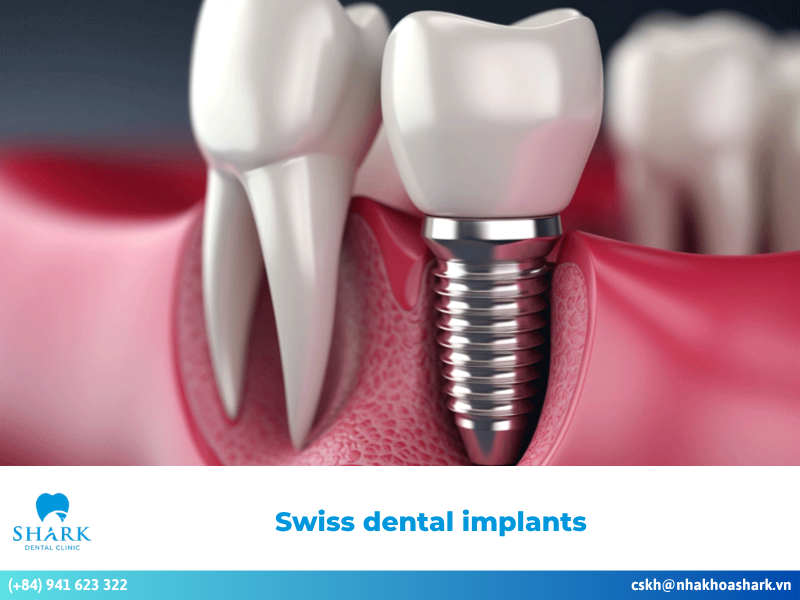
Socket preservation bone grafting may be performed following tooth extraction when clinically indicated. This is considered an important supportive technique, especially for patients planning to receive dental implants, as it helps reduce the risk of jawbone loss after tooth extraction. The bone graft tooth extraction procedure helps increase jawbone density and maintain a stable bone foundation for dental implants after extraction placement. This supportive treatment also helps the dental implant integrate with the jawbone more quickly and securely over time. In addition, tooth extraction and bone graft procedures can improve the overall success rate of dental implant treatment while helping patients maintain a healthier, stronger, and more aesthetically balanced smile.
Why is bone grafting necessary?
In certain situations, patients may require bone grafting after tooth extraction for several important reasons related to oral health and future restorative treatment:
Preserving bone structure
Bone grafting after tooth extraction uses specialized grafting material to fill the empty socket left behind after the tooth is removed. This technique helps minimize jawbone deterioration and supports the preservation of the natural bone structure. In addition, bone grafting helps maintain the thickness, height, and volume of the alveolar bone, which plays an important role in preventing bone loss after tooth extraction and preserving the stability of the jawbone over time.
Planning for dental implants
In some specific cases, patients are required to undergo bone grafting after tooth extraction before they are eligible for dental implant placement. Adequate bone density and volume are important conditions for successful implant treatment. Bone grafting, sometimes combined with sinus lift procedures, helps create a strong and stable foundation that allows the dental implant post to integrate fully with the jawbone. This helps support a smoother implant process while improving long-term restoration results and chewing function.

Preventing facial structure changes
After a tooth extraction, the jawbone may gradually deteriorate over time if the missing tooth area is not properly treated. As bone loss progresses, the surrounding soft tissues inside the oral cavity may also begin to shrink, which can eventually affect the overall facial structure. Some common consequences may include sunken cheeks, sagging skin, and signs of premature facial aging. For this reason, a tooth extraction bone graft is considered an important procedure that helps preserve jawbone volume and minimize unwanted facial structure changes after tooth loss
Support for adjacent teeth
Bone grafting after tooth extraction also helps protect the surrounding teeth more effectively. When the alveolar bone begins to deteriorate, the nearby gum tissues and periodontal ligament system may also become affected. As a result, adjacent teeth can gradually shift, tilt, or become misaligned over time, negatively affecting both oral function and dental aesthetics.

How is bone graft tooth extraction procedure?
A tooth extraction bone graft is considered a relatively complex dental procedure that requires highly skilled dentists with extensive experience. The entire treatment process is performed in a sterile environment to ensure safety, prevent cross-contamination, and follow strict dental standards:
- Step 1: The dentist first carefully evaluates the patient’s overall health condition, including underlying medical issues such as cardiovascular disease, high blood pressure, diabetes, and other related conditions. Patients are then asked to undergo X-rays to assess the jawbone structure and accurately identify the tooth extraction site. Based on these examination results, the dentist develops a suitable bone graft tooth extraction treatment plan tailored to the patient’s oral condition.
- Step 2: Next, the dentist thoroughly cleans the entire oral cavity, especially around the tooth that needs to be extracted. Local anesthesia is then administered to help minimize pain, sensitivity, and discomfort during the procedure.
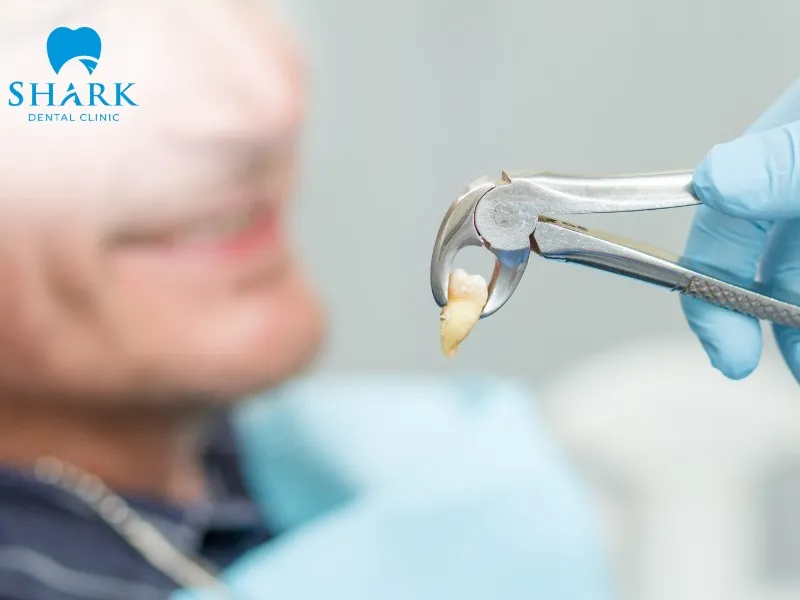
- Step 3: After confirming the exact extraction position, the dentist carefully opens the gum tissue and removes the tooth root from the jawbone. The bone graft area is also exposed and cleaned thoroughly to remove any inflamed or infected tissue that may remain, helping reduce the risk of future infection after tooth extraction.
- Step 4: Before the procedure, the dentist and patient will have already discussed whether autogenous bone graft material or artificial bone graft material will be used. The sterile bone graft material is then carefully placed into the prepared area according to the planned position. Afterward, a protective membrane is applied over the grafted area to stabilize the bone material and help prevent displacement during the healing period.
- Step 5: Finally, the dentist sutures the gum tissue using aesthetic dental sutures to complete the procedure. Patients are asked to bite on sterile gauze to control bleeding and are provided with appropriate medications if necessary. In addition, the dentist gives detailed instructions regarding daily activities, oral hygiene care, and dietary recommendations to help support a smoother and healthier tooth extraction recovery process at home.

Benefits and risks of bone graft tooth extraction
Like many dental surgical procedures, a tooth extraction bone graft also comes with certain benefits and potential risks. Understanding these advantages and limitations can help patients make a more suitable treatment decision before undergoing the procedure.
Benefits
- Maintaining jawbone volume: After a tooth extraction, the jawbone may become defective and leave behind an empty socket that can create favorable conditions for bacterial growth. Performing a bone graft tooth extraction helps fill this space, preserve proper jawbone volume, and reduce the risk of dangerous jawbone deterioration over time.
- Saving future time and treatment costs: Undergoing bone grafting immediately after tooth extraction helps minimize jawbone loss and creates favorable conditions for future dental implant placement. This can help patients avoid additional treatment expenses later, especially if more complicated procedures such as open sinus lift surgery or block bone grafting become necessary.
- Supporting facial aesthetics: Maintaining stable jawbone volume after tooth extraction helps prevent gum tissue collapse and facial structure changes. As a result, tooth extraction bone graft procedures can help preserve facial aesthetics, maintain facial balance, and reduce signs of premature aging caused by bone loss.
Risks
- Some patients with sensitive body conditions may experience rejection of the bone graft material after the procedure.
- In addition, if oral hygiene and sterilization procedures are not properly maintained during treatment, or if technical errors occur during the procedure, patients may develop infections or inflammation in the extraction area.
- After the healing process is completed, part of the grafted bone material may also gradually resorb, which can reduce a portion of the jawbone volume over time.

How much does bone graft tooth extraction cost and is it covered by insurance?
The cost of a tooth extraction bone graft generally ranges from approximately 2,000,000 – 15,000,000 VND per tooth. The total treatment cost may vary depending on several factors, including the position of the extracted tooth, the degree of jawbone loss, and the type of bone graft material used during treatment. Depending on each patient’s specific condition, the dentist may recommend either artificial bone graft material or autogenous bone taken from the patient’s owna body.
In most cases, bone graft tooth extraction procedures are not covered by insurance because they are often categorized as cosmetic or restorative dental treatments. However, some patients may receive partial insurance support if the tooth extraction is medically necessary due to dental disease or related oral health conditions.

Is bone grafting after tooth extraction painful?
A tooth extraction bone graft generally does not cause significant pain or severe discomfort during the procedure. Before the bone grafting process begins, patients are given local anesthesia to temporarily numb the sensory nerves around the treatment area. This helps patients feel more comfortable throughout the procedure. After the anesthesia wears off, some patients may experience mild soreness, sensitivity, or slight discomfort around the grafted area. However, these symptoms are usually temporary and tend to gradually improve within 2 – 3 days with proper care and rest.

A tooth extraction bone graft is considered an important and relatively complex dental procedure that requires careful technique and professional expertise. Hopefully, the information shared throughout this article has helped readers better understand the procedure, along with the benefits and potential risks of this treatment method. If you are considering bone grafting after tooth extraction, contact Shark Dental Clinic for a detailed consultation regarding the treatment process, suitable solutions, and the bone graft tooth extraction cost based on your specific oral condition!
>>> See more: Is tooth extraction painful?