

A wisdom tooth cavity is a fairly common dental problem that can affect people of different ages. If it is not diagnosed early and treated promptly, the condition may lead to a range of symptoms, including tooth pain, sensitivity, discomfort while eating, and even the spread of infection to surrounding tissues. The article below will help you gain a better understanding of the causes, warning signs, and effective treatment methods for wisdom tooth decay. Let’s Shark Dental Clinic explore the details!
Can wisdom teeth develop cavities?
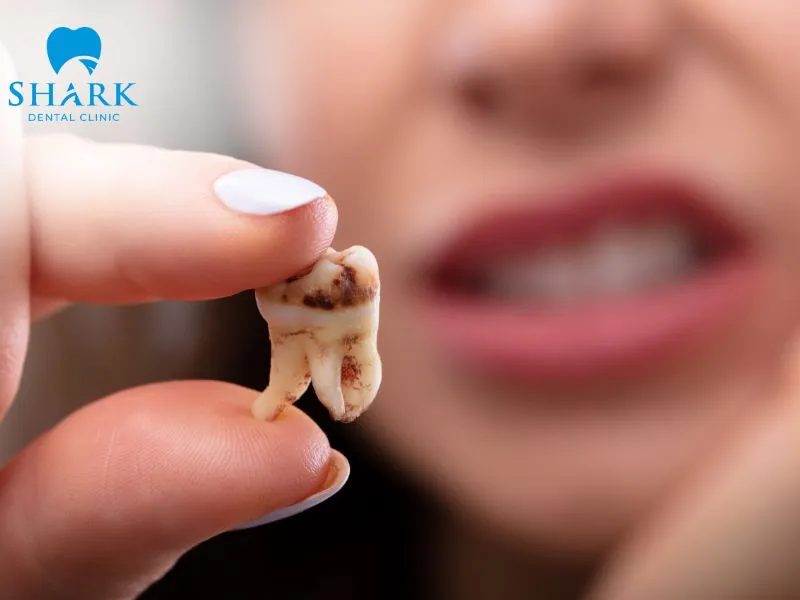
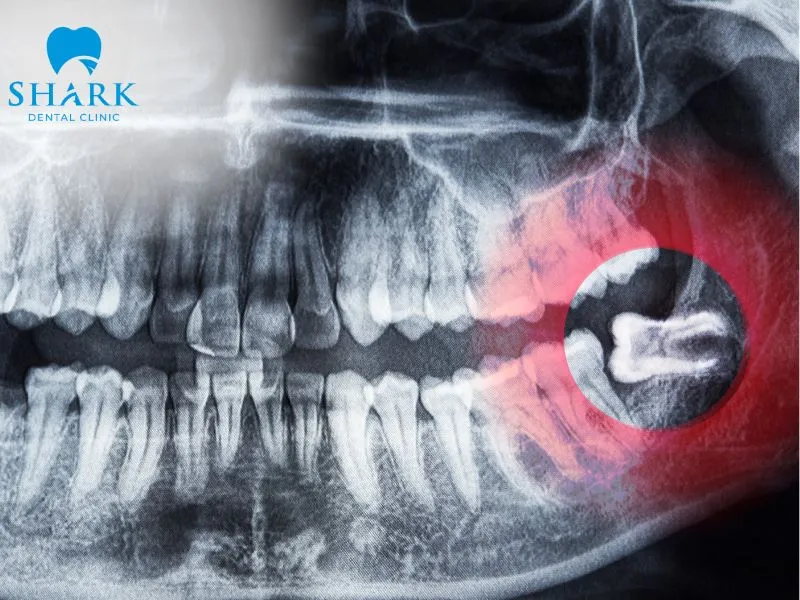
Yes, wisdom teeth can develop cavities. In fact, a wisdom tooth cavity is quite common and often occurs more frequently than cavities in many other teeth on the dental arch. Because wisdom teeth erupt later in life, they often emerge when the jawbone has already fully developed. Many wisdom teeth also grow at an angle, become partially impacted, or remain trapped beneath the gum tissue.
These unique growth patterns can create hard-to-clean spaces between teeth, allowing food debris and bacteria to accumulate. Over time, this creates an ideal environment for plaque buildup and tooth decay.
In addition, the chewing surface of wisdom teeth often contains deep grooves and pits where food particles can easily become trapped. Even with regular brushing, these areas can be difficult to clean thoroughly. As a result, plaque and bacteria may remain on the tooth surface, increasing the risk of a wisdom tooth decay and accelerating damage to the enamel and dentin.
What are the causes of wisdom tooth cavities?
A wisdom tooth decay can develop for a variety of reasons. Depending on the specific condition of the tooth, a dentist will perform a thorough examination to identify the underlying cause and recommend the most appropriate treatment.
- Position of the wisdom tooth: Wisdom teeth are located at the very back of the mouth, making them difficult to reach during daily oral hygiene routines. Food particles and bacteria can easily accumulate around the tooth and between adjacent teeth. Over time, this buildup may damage the tooth structure and lead to cavity formation.
- Direction of tooth eruption: In many cases, wisdom teeth do not have enough space to erupt properly once the jaw has fully developed. As a result, they may grow sideways, become impacted, or crowd against neighboring teeth. These conditions create areas where bacteria can thrive, increasing the likelihood of a wisdom tooth cavity.
- Existing oral diseases: Some individuals experience conditions such as gum flaps over partially erupted wisdom teeth or periodontal disease. These oral health issues can trap bacteria and food debris around the wisdom tooth, making it more vulnerable to decay and infection.
- Poor oral hygiene habits: Inadequate oral hygiene, such as infrequent brushing, improper cleaning techniques, or neglecting to rinse the mouth regularly, allows bacteria to multiply. Over time, these bacteria break down tooth minerals and contribute to the development of small cavities on the tooth surface.
- Wisdom tooth structure: Wisdom teeth are often larger and may contain more grooves and narrow crevices than other teeth. Because of this complex structure, plaque and food particles can become trapped more easily, creating favorable conditions for bacteria to grow and increasing the risk of a wisdom tooth cavity.
What are the symptoms of a wisdom tooth decay?
The symptoms can vary depending on the stage and severity of the decay. Some individuals may experience only mild discomfort in the early stages, while others may develop more noticeable symptoms as the condition progresses. Below are some of the most common signs to watch for:
- Small spots on the tooth surface: In the early stages of tooth decay, tiny spots may appear on the surface of the wisdom tooth. These spots are often white, brown, or dark in color and, in some cases, can be seen with the naked eye.
- Tooth sensitivity: A wisdom tooth cavity may cause sensitivity or discomfort when consuming certain foods and beverages. The sensation often becomes more noticeable when eating foods that are extremely hot, cold, acidic, or highly stimulating.
- Tooth pain: As bacteria continue to penetrate deeper into the dentin and pulp, persistent tooth pain may develop. The pain can range from mild to severe and is often more noticeable at night or while chewing.
- Bad breath: Most people with a wisdom tooth decay experience persistent bad breath. The decayed area of the tooth creates an ideal environment for bacteria, food debris, and plaque to accumulate. As these substances break down over time, they produce unpleasant odors that can lead to noticeable bad breath and discomfort within the oral cavity.
- Swelling of the soft tissues: Many patients with a wisdom tooth cavity experience swollen or inflamed gums around the affected tooth. In some cases, the gums may become tender and bleed when exposed to pressure or irritation.
- Pain radiating to the head and temples: When tooth decay becomes more advanced, bacteria may reach and infect the dental pulp. Severe pulp inflammation can place pressure on nearby nerves, resulting in headaches, temple pain, or discomfort that radiates beyond the affected tooth.
- Pus discharge around the tooth: Bacterial infection and tissue damage around the tooth root can lead to the formation of pus-filled pockets. These pockets often contain white or yellow discharge and are commonly accompanied by an unpleasant odor.

Should you keep your wisdom tooth cavity?
Whether a wisdom tooth decay should be preserved depends on the severity of the condition and its impact on overall oral health. In some situations, extraction is necessary, while in others, the tooth may be successfully treated and retained.
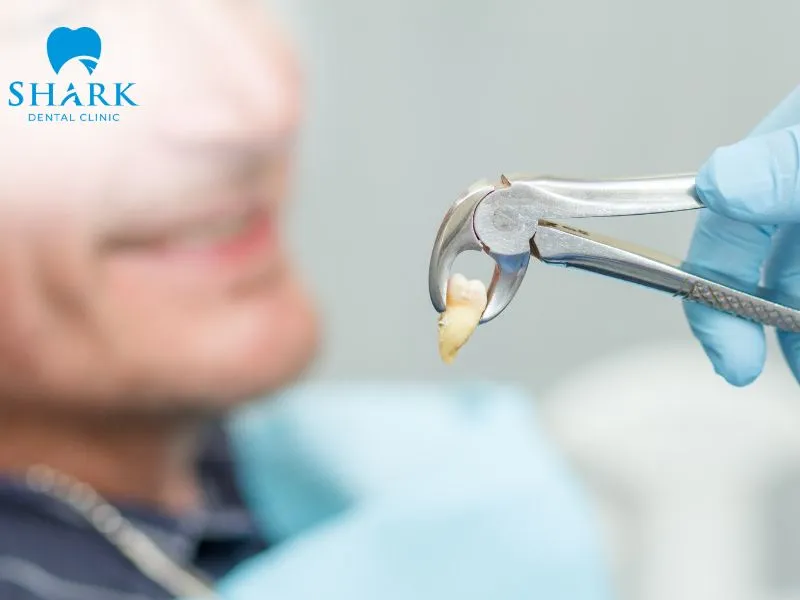
- Extraction is necessary: If the decayed wisdom tooth is growing at an improper angle, affecting adjacent teeth, or causing complications such as pulp inflammation, an impacted wisdom tooth extraction is usually required. Removing the affected tooth can help relieve pain, prevent the infection from spreading, and protect the overall health of the surrounding teeth and gums.
- Extraction may not be necessary: In cases where the wisdom tooth cavity is mild, the tooth is properly aligned, and the tooth structure remains strong and healthy, your dentist may consider preserving the tooth. Treatment options such as fillings or root canal therapy may be recommended to restore the tooth and prevent further damage.
Ultimately, whether a wisdom tooth decay should be extracted depends on the actual condition of your oral health. After a thorough examination, the dentist will assess the severity of the decay, evaluate your overall dental health, and recommend the most appropriate treatment solution to ensure safe and effective long-term oral care.
Treatment options for wisdom tooth cavity
When a wisdom tooth decay is detected, the dentist will first perform a comprehensive oral examination and may recommend X-rays to assess the extent of the damage. Based on the findings, an appropriate treatment plan will be selected to address the decay and protect your oral health.
Fillings
Dental fillings are often used to treat a wisdom tooth cavity in its early stages. This treatment helps preserve the natural tooth structure while preventing the decay from progressing further. However, fillings are typically recommended only when the cavity has not yet reached the dental pulp. In addition, the wisdom tooth should be properly aligned and free from gum overgrowth or other complications that could interfere with the procedure.
Tooth extraction
For severe cases where the decay has already affected the dentin or dental pulp, tooth extraction is often considered the most effective solution. Removing the affected wisdom tooth can eliminate persistent pain, reduce tooth sensitivity, and prevent the infection from spreading to surrounding tissues. Because wisdom tooth extraction is a minor surgical procedure, it should be performed by an experienced dentist or oral surgeon to ensure safety and minimize potential complications.
Root canal treatment
Root canal treatment is another effective option for managing a wisdom tooth cavity, particularly when the tooth is properly positioned and still structurally sound, but the pulp has become damaged or infected. During the procedure, the dentist removes the infected pulp tissue, thoroughly cleans the root canal system, and seals the tooth. In many cases, a filling or dental crown may be recommended afterward to strengthen and preserve the natural tooth.

Complications of untreated wisdom tooth cavity
A wisdom tooth cavity is a common dental condition, but if it is not diagnosed and treated promptly, it can lead to a number of serious complications. Over time, these complications may affect oral health, daily comfort, and overall quality of life.
- Pulp infection: One of the most common and serious complications of a wisdom tooth decay is pulpitis, or inflammation of the dental pulp. As the decay progresses, bacteria can penetrate deep into the tooth and reach the pulp chamber, causing infection and severe inflammation. At this stage, tooth pain often becomes more intense and persistent, especially when eating or drinking. If left untreated, the infection may worsen and eventually lead to the formation of a dental abscess.
- Damage to neighboring teeth: When a wisdom tooth cavity remains untreated for an extended period, bacteria can spread to the adjacent second molar tooth. This tooth plays an important role in chewing and maintaining proper oral function. Once it becomes affected by decay, patients may experience reduced chewing efficiency, discomfort while eating, and a greater risk of additional dental complications affecting surrounding teeth.
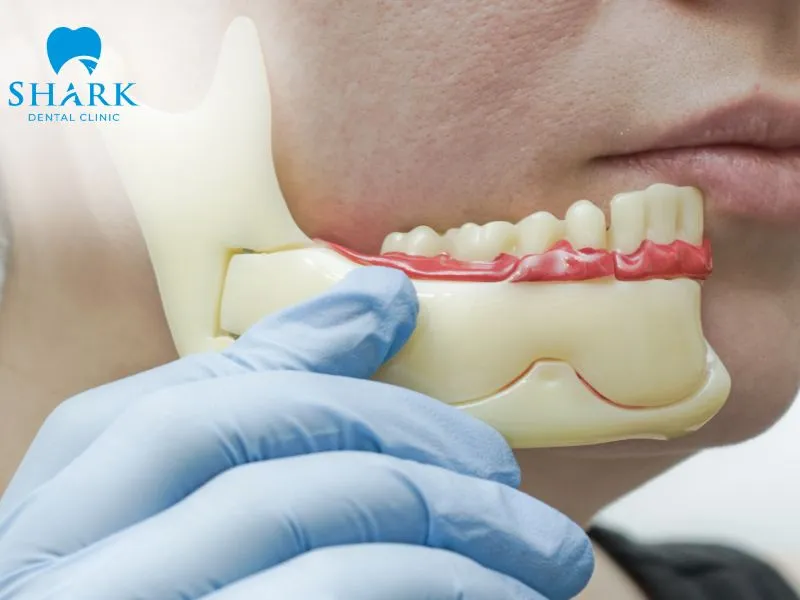
- Jaw abscess: When bacteria from a wisdom tooth cavity spread down to the tooth root, they can trigger the formation of abscesses within the jawbone structure. As the infection progresses, these abscesses may enlarge and eventually rupture. Once this occurs, the bacteria can spread throughout the surrounding soft tissues of the mouth and, in severe cases, enter the bloodstream, increasing the risk of a serious systemic infection.
- Cellulitis: Some patients develop cellulitis and swollen lymph nodes in the neck after experiencing severe wisdom tooth decay for an extended period. This complication occurs when bacteria from the affected wisdom tooth spread into the surrounding soft tissues, causing inflammation and infection. Common symptoms may include a high fever, jaw muscle stiffness, facial swelling, difficulty chewing, and general discomfort.
- Jaw cysts: A long-standing wisdom tooth decay can cause chronic irritation and damage within the oral cavity. Over time, this persistent inflammation may stimulate abnormal growth of epithelial cells around the tooth root. As a result, cysts can form and gradually enlarge, potentially developing into jaw cysts that affect the surrounding bone and oral structures.
Through the information provided above, you now have a better understanding of the signs, causes, treatment options, and potential complications of a wisdom tooth cavity. Although this is a common dental condition, delaying treatment can lead to serious oral health problems and significantly impact your quality of life. We hope this article has helped you gain valuable knowledge about wisdom tooth decay and encouraged you to seek timely treatment when necessary, ensuring better protection for your long-term oral health.