

Many people wonder can a root canal get infected or cause any adverse effects. Generally, a root canal is considered a safe and effective dental procedure that treats and improves symptoms of tooth infection and inflammation. Read on to learn more about the possibility of infection following the procedure and how to manage it effectively.
Can a root canal get infected?
A root canal can become infected or result in complications if the procedure is not performed correctly. Risks arise when the canal is not adequately cleaned, sterilized, or sealed with high-quality filling materials. Additionally, the dentist’s lack of experience or precision can lead to irritation or further inflammation of the treated tooth.
Although post-root canal infections are uncommon, they can occur and negatively impact daily life and overall oral health. If you experience pain, swelling, or signs of inflammation after a root canal treatment, promptly visit a reputable dental clinic for an examination and appropriate care to prevent further complications.

Causes of root canal infection
Several factors can contribute to a tooth becoming infected after a root canal treatment, including:
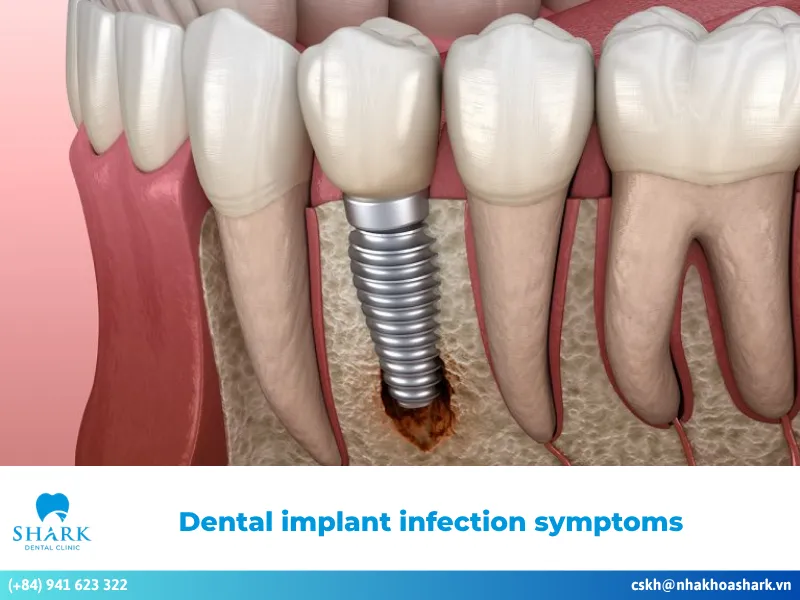
- Bacteria: This is the primary cause of root canal infection. If bacteria accumulate near the root of the tooth and are not completely removed, they can penetrate the canal, leading to severe decay, irritation, and inflammation.
- Dental trauma: Using improper dental methods, such as inadequate fillings or crowns, or performing invasive procedures can damage the pulp area. Over time, this may lead to infection, inflammation, and persistent tooth pain.
- Periodontal (Gum) disease: Conditions like gingivitis or periodontitis can cause inflammation and pain around the tooth roots. If left untreated, these infections can spread into the pulp, resulting in a root canal infection.
- Teeth grinding or enamel wear: Habitual grinding or clenching can wear away the enamel, diminishing the tooth’s natural protective layer. Consequently, the pulp may become irritated and more susceptible to infection over time.

Signs of infection after root canal
Several noticeable symptoms may indicate a root canal infection following treatment. If you notice any of these signs, it’s essential to seek prompt dental evaluation:
Pain
If the tooth remains painful or swollen for several days after the root canal, or if the pain becomes more severe and persistent, this may indicate an infection. Additionally, the tooth might feel sensitive or irritated when chewing or exposed to temperature changes.
>>> See more: How long does a root canal hurt?
Abscess
An infected tooth may develop swelling, pus formation, or darkening at the root area, which are typical signs of a dental abscess after root canal treatment. This condition can worsen quickly, causing intense pain and making it difficult to eat or speak comfortably.
Tooth discoloration
When the pulp becomes severely infected, the tooth may begin to change color—from white to yellow or brown. Over time, this discoloration can spread to neighboring teeth, often accompanied by bad breath and advanced infection. Once this occurs, it indicates that the pulp has deteriorated significantly and cannot heal with basic treatment methods.
>>> See more: How long does a root canal take to heal

Chronic bad breath
In addition to persistent pain, a root canal infection may also result in strong, chronic bad breath. Even with regular oral hygiene, the unpleasant odor often remains noticeable and is frequently accompanied by a metallic or salty taste in the mouth. This is caused by the accumulation of bacteria and pus from the infected pulp tissue.
Fatigue
As the root canal infection worsens, it can lead to fatigue and general body discomfort. The dental pulp is closely connected to the nervous system, meaning inflammation in this area can trigger headaches, sensitivity, and tiredness throughout the body — symptoms that many patients may notice.
Fever and systemic effects
A persistent or high fever lasting several days, along with tooth pain and swelling, is often a clear indication of an acute pulp infection. This symptom suggests that the infection is progressing and requires immediate dental treatment to prevent the spread of bacteria. Furthermore, patients often ask, “Can an infected root canal cause high blood pressure?” While a tooth infection itself is not a direct cause of chronic hypertension, the intense physical pain and systemic stress triggered by an acute infection can lead to temporary spikes in blood pressure. Managing the infection promptly is essential to stabilize both your oral and overall systemic health.
How to treat a root canal infection?
If you experience pain or any signs of a root canal infection, it is crucial to visit a qualified dentist for an examination as soon as possible. The dentist will assess the severity of the infection and recommend the most appropriate treatment.
For mild to moderate infections, the dentist may perform a minor surgical cleaning to remove all infected tissue inside the tooth. The canal is then disinfected, sealed, and restored to help preserve normal chewing function. Treatment may take several weeks, depending on the severity of the infection.
In severe cases, where the infection has spread to neighboring teeth or tissues and cannot be treated conventionally, the dentist may recommend a tooth extraction. This procedure helps eliminate the source of infection and prevents the bacteria from spreading further.

Tips for preventing root canal infection
Root canal infections can lead to serious health problems and discomfort if not managed properly. Fortunately, you can reduce your risk with these simple and effective daily habits:
- Brush your teeth at least twice a day using fluoride toothpaste. Opt for a soft-bristled toothbrush and use gentle brushing motions to avoid damaging tooth enamel.
- Use dental floss after every meal to safely and effectively remove plaque and food particles.
- Rinse with an antibacterial mouthwash to eliminate bacteria, freshen your breath, and maintain clean teeth.
- Eat more fruits and vegetables with high water content to help naturally clean your mouth.
- Limit sugary foods and drinks, which can promote bacterial growth and weaken enamel, leading to decay.
- Drink plenty of water, especially after meals, to wash away debris and plaque buildup.
- Consume foods rich in calcium and vitamin D to strengthen teeth and maintain healthy gums.
- Have your teeth professionally cleaned every four months to remove tartar buildup and prevent pulp inflammation.
- Visit your dentist every six months for regular checkups, allowing early detection and treatment of potential issues.

Concerns about can a root canal get infected are completely understandable. According to dental specialists, infections can occur if the procedure is not performed safely or hygienically. Therefore, it’s essential to choose a reputable dental clinic with experienced professionals and strict sterilization standards. This ensures effective, long-lasting results and helps you maintain optimal oral health.