

Wisdom tooth extraction is a common dental procedure, yet it often makes many people worry about the healing timeline. In reality, the recovery period after extraction varies from person to person, depending on the tooth condition, individual healing ability, and post-extraction care. So, how long does tooth extraction take to heal and what should you keep in mind during each tooth extraction healing stage? Let Shark Dental Clinic guide you through the details below.
How long does tooth extraction take to heal
Although tooth extraction is considered a minor surgical procedure, many people are concerned about how long it takes to heal, especially when it comes to wisdom tooth removal. While some individuals recover quickly, others may experience prolonged pain and swelling beyond their expectations.
The first 24 hours
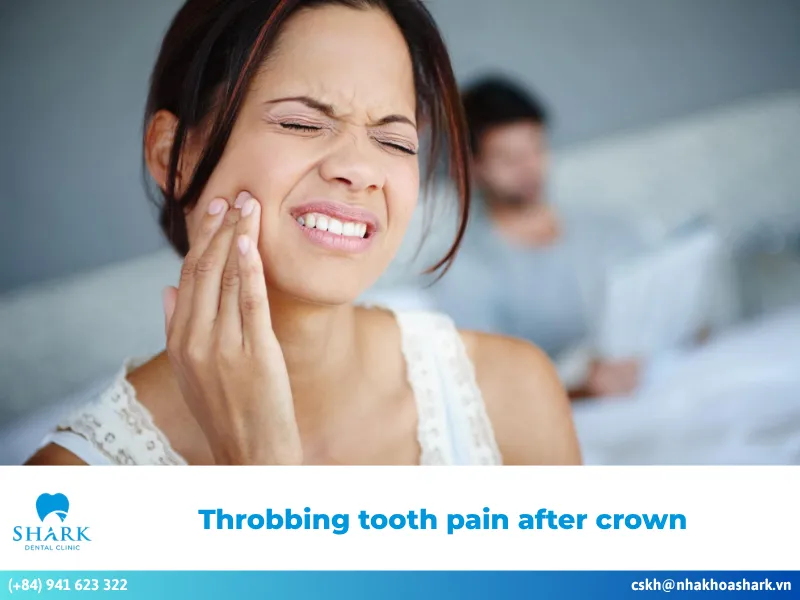
During the first 24 hours after the extraction, as the anesthesia begins to wear off, mild pain and swelling around the extraction site may occur. This is a normal physiological response of the body.
- The level of pain varies from person to person, and some may need to take pain relievers as prescribed by their dentist to feel more comfortable.
- Applying a cold compress to the outside of the cheek can help reduce swelling and inflammation. After 24 hours, you can switch to warm compresses to improve blood circulation and support faster healing.
- A blood clot after tooth extraction will form in the empty socket, which is crucial for stopping bleeding and protecting the healing gum tissue.
- Patients should avoid vigorous rinsing, using straws, or spitting repeatedly, as these actions can dislodge the blood clot and lead to dry socket.
- Oral hygiene should be performed gently; rinsing with diluted salt water, as instructed, can help keep the mouth clean while protecting the wound.
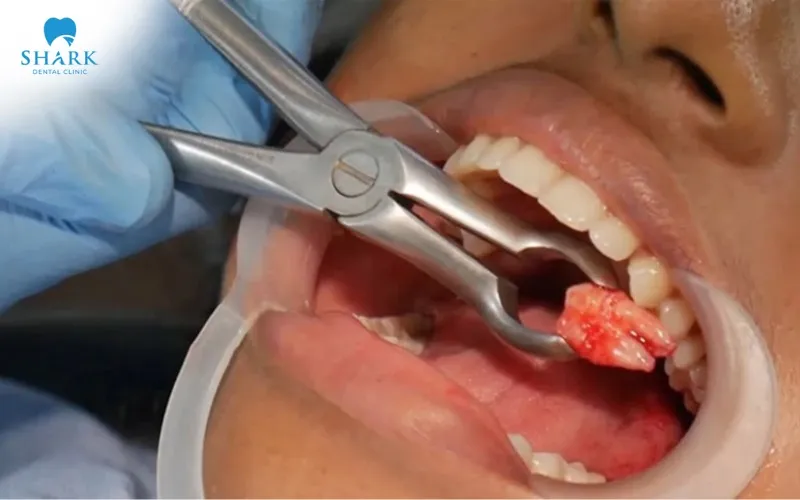
Expectations 1–2 days after tooth extraction
In the days following the extraction, the body begins to adapt and recover. Common signs during this period include:
- The blood clot has formed and needs to remain stable in the socket to protect the gum tissue and aid the healing process.
- Pain may become more noticeable as the anesthesia completely wears off. The intensity varies among individuals and can usually be managed with medication prescribed by the dentist.
- Swelling in the cheek or jaw, sometimes presenting as a localized bump on the gum after tooth extraction, may increase slightly and can cause significant discomfort within the first 24-48 hours, which is a normal inflammatory response.
- Continue applying cold compresses to reduce swelling, and then switch to gentle warm compresses to promote circulation and reduce bruising.
- Adjust your daily activities by limiting wide mouth opening, avoiding chewing on the extraction side, and steering clear of hard, spicy, or hot foods.
- Practice oral hygiene carefully by rinsing with diluted salt water or another recommended solution to maintain cleanliness without disturbing the extraction site.
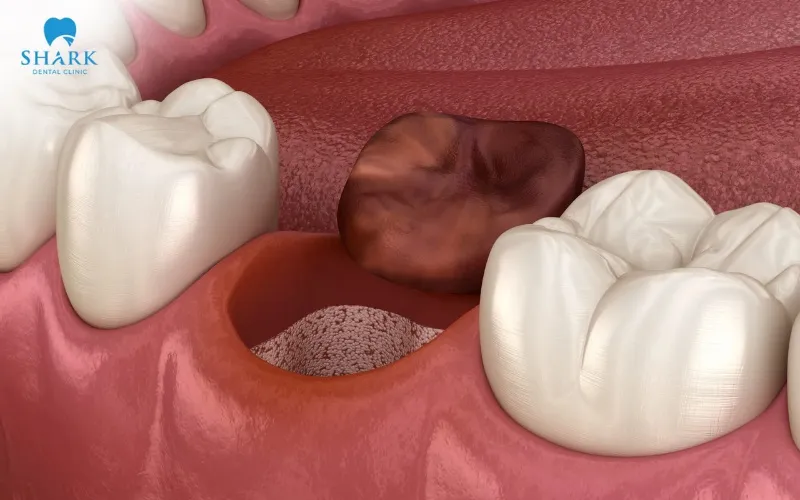
What to expect after a tooth extraction in 3 days
At this point, inflammatory responses are at their peak, which may cause concern about healing speed. However, experiencing discomfort during this stage is usually normal.
- Swelling typically reaches its highest level around this time, and the cheek or jaw may feel tight or uncomfortable.
- Bruising might also appear on the outside of the cheek or along the jawbone as a result of soft tissue trauma during the extraction.
- Pain may feel more intense, but it is usually manageable with the prescribed pain relievers.
- The blood clot in the socket remains vital, so it must be carefully protected to avoid the risk of developing a dry socket.
Many people wonder how long it takes for a tooth extraction to heal at this point, but it is important to understand that the discomfort experienced is a normal part of the healing process and will gradually improve with proper care. For your diet, prioritize soft and easy-to-swallow foods such as soup, porridge, eggs, mashed potatoes, or applesauce. Maintain adequate daily water intake, but avoid foods and drinks that are too hot or too cold to prevent irritation to the healing area. If you are craving sweets, you might wonder, Can I eat ice cream after tooth extraction? Yes, soft, cool ice cream can actually be soothing.

1 week post extraction
By about one week after the extraction, the wound will show clear signs of recovery, and most patients will feel more comfortable with their daily activities. Specificallly:
- Pain should significantly decrease or nearly disappear, making it easier to eat and speak.
- The gums will begin to contract and close the socket, indicating good tissue regeneration.
- Bruising around the cheek or jaw will gradually fade over time.
- If you are wondering, “Can I brush my teeth after tooth extraction?”, the answer is yes, but with caution. You can resume normal brushing and rinsing in areas away from the extraction site, though you should continue to be gentle around the sensitive area.
- Avoid chewing directly on the recently extracted side and maintain proper oral care habits to protect the newly regenerated gum tissue.
- The dentist will schedule suture removal once the gum tissue has healed and stabilized sufficiently.
- While chewing may still feel somewhat awkward, most pain should have subsided, allowing many people to return to normal daily activities and work by the seventh day.

2 weeks post extraction
At this stage, the recovery process has progressed very positively, and most patients feel almost no discomfort:
- The soft tissue has filled most of the extraction socket, and the gum surface appears flatter and pinker.
- Pain is very mild or has nearly disappeared, allowing patients to resume daily activities without interference.
- The gums continue to close and move toward complete healing.
- Pain medication is generally no longer necessary, and biting or chewing feels more balanced and natural.
- While the outer gum tissue appears nearly normal, the deeper jawbone structure is still regenerating and requires additional time for full recovery.
It’s important to note that the healing process for wisdom teeth occurs from the outside inward, affecting the deeper jawbone. Many people still wonder how long tooth extraction takes to heal. At this point, the wound is stable, but it remains essential to maintain proper oral care to ensure complete recovery during the healing stage.
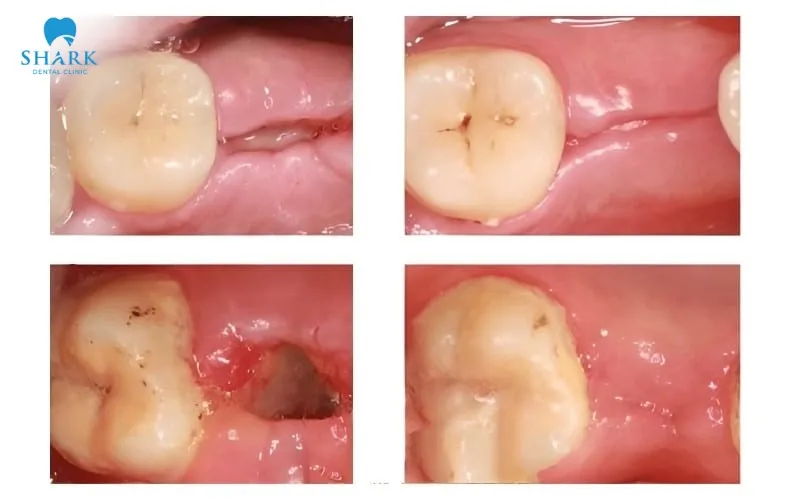
3+ weeks post extraction
By this stage, the wound has almost completely healed, and patients can return to normal daily activities.
- The extraction site is stable, and the gum tissue has recovered well, no longer requiring specialized care as in the initial days.
- Patients can eat a normal diet, with daily routines hardly affected.
- Healing time may be faster for individuals in good overall health, with strong recovery abilities and adherence to post-extraction care instructions.
- For wisdom teeth or multi-rooted extractions, a small hole may still be visible in the socket for several months; this is normal as the jawbone requires more time to regenerate.
- Mild discomfort when chewing hard foods may occasionally occur, but it is not concerning, as the gum tissue has already restored its protective and supportive function.
Even though healing is nearly complete, patients should continue to practice proper oral hygiene and attend regular dental check-ups to ensure that the internal healing process is fully completed.

Tips to support faster healing
Proper daily care not only shortens recovery time but also significantly reduces the risk of complications, making the entire healing process more comfortable. Some key tips to remember include:
- Protect the blood clot: Avoid spitting, rinsing vigorously, or drinking through a straw during the first 24 hours to prevent dislodging the blood clot, which is crucial for rapid healing.
- Get adequate rest: Allow time to rest and avoid intense physical activity so your body can focus its energy on recovery.
- Rinse at the right time: Start gently rinsing with diluted salt water from the second day to clean the oral cavity without damaging the extraction site.
- Eat appropriately: During the first week, avoid hard, crunchy, spicy, or very hot foods. Prioritize soft, easy-to-chew foods to minimize pressure on the healing gum area.
- Avoid smoking completely: Both traditional cigarettes and e-cigarettes can dry out the blood clot, delaying healing and increasing the risk of dry socket.
By following these instructions carefully, the extraction wound will heal smoothly and remain stable, while minimizing the risk of dry socket, which is a common cause of prolonged pain after tooth removal.

In summary, when answering the common question, “How long does tooth extraction take to heal?”, there is no fixed timeline, as recovery depends on the condition of the tooth, the extraction technique, and each individual’s healing capacity. With proper care and full adherence to the dentist’s instructions, the wound will heal steadily, reducing the likelihood of complications. Shark Dental Clinic hopes this information helps you better understand the healing process after wisdom tooth extraction so you can feel reassured and proactively care for your oral health safely and effectively