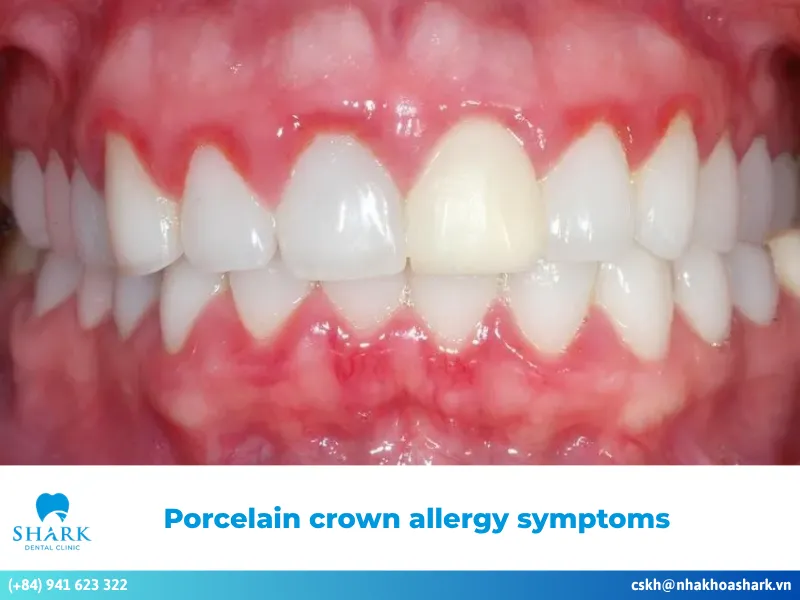


A canker sore after tooth extraction is a fairly common condition that can cause burning pain, irritation, and discomfort during daily activities such as eating and speaking. Although this issue is usually not considered dangerous, prolonged ulcers may negatively affect the healing process as well as overall oral health. So, why do mouth ulcers appear after tooth extraction, and what are the most effective ways to prevent and manage them? Let Shark Dental Clinic help you explore the details in the article below.
What causes canker sore after tooth extraction?
A canker sore after tooth extraction is a condition that may occur due to irritation or minor damage to the sensitive soft tissues inside the mouth. During the tooth extraction procedure, the gums and oral mucosa can be affected to some extent, creating favorable conditions for mouth ulcers to develop afterward. In addition, changes in the oral bacterial environment or certain external factors during treatment may also contribute to an increased risk of oral sores and irritation.
However, not everyone experiences a canker sore after tooth extraction. The severity and likelihood of developing mouth ulcers can vary depending on each individual’s overall health condition, medical history, immune response, and healing ability. Below are some of the most common causes associated with this condition:
- Soft tissue trauma inside the mouth: The tooth extraction process may cause mild injury or irritation to the gums, inner cheeks, or tongue. These sensitive tissues can become vulnerable after treatment, creating conditions for canker sores to form more easily.
- Bacteria and oral infection: After a tooth extraction, the balance of bacteria inside the oral cavity may temporarily change. If oral hygiene is not maintained properly, harmful bacteria can multiply rapidly, increasing the risk of infection after tooth extraction and mouth ulcer formation.
- Stress during the treatment process: Feelings of anxiety, nervousness, or emotional stress before and after dental treatment may weaken the immune system. As a result, the oral mucosa can become more sensitive and more susceptible to irritation or ulcer development.
- Nutritional deficiencies: A lack of important nutrients, such as iron or B vitamins, may negatively affect the body’s natural healing ability. When the oral tissues do not recover properly, the risk of developing mouth ulcers can increase significantly.
- Irritation caused by dental instruments: In some cases, dental instruments or manipulation during the extraction procedure may accidentally irritate the oral mucosa. This irritation can contribute to the appearance of painful sores inside the mouth after treatment.
Post-tooth extraction symptoms of canker sores
After a tooth extraction procedure, some individuals may develop canker sores with relatively noticeable symptoms around the oral mucosa. These symptoms can cause significant discomfort and may negatively affect daily activities such as eating, drinking, and speaking.
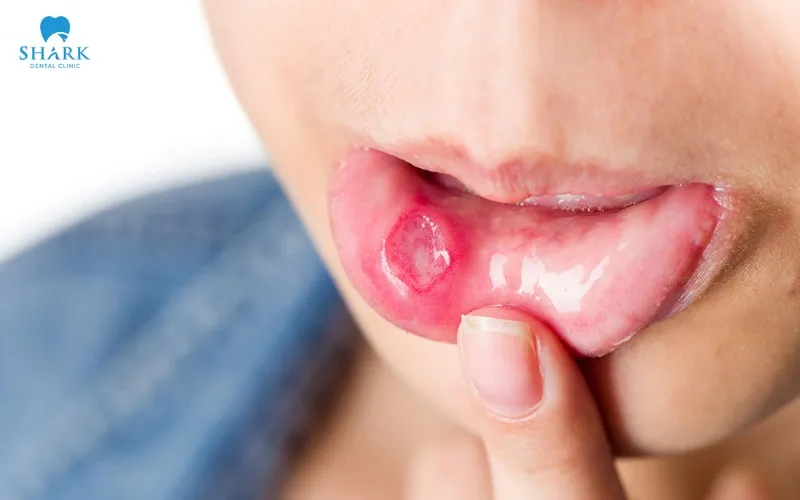
- Small ulcers appearing inside the mouth: A canker sore after tooth extraction usually appears as a small, round or oval-shaped lesion located on the inner cheeks, gums, or tongue. The center of the sore is typically white or yellowish in color, while the surrounding area often appears red due to inflammation and irritation.
- Pain and discomfort: The ulcer may cause noticeable pain, especially while eating, chewing, speaking, or consuming spicy and hot foods. Before the sore fully develops, some people may initially experience a burning, tingling, or stinging sensation around the affected area.
- Swelling of the surrounding tissues: The soft tissues around the ulcer may become swollen and sensitive, making chewing, mouth movement, and everyday oral activities feel more uncomfortable and difficult.

In addition, a canker sore after tooth extraction can generally be classified into two main levels of severity:
- Mild canker sores: This is the most common form of oral ulcer after tooth extraction. The sores are usually small in size with a round or oval shape. In most cases, mild ulcers can heal naturally within approximately 1–2 weeks and typically do not leave any scarring on the oral mucosa.
- Severe canker sores: This type of ulcer is usually larger in size and involves deeper tissue damage, leading to more intense pain and prolonged discomfort. The recovery period may last around 4–6 weeks, and in some cases, the ulcers can leave visible marks or minor scarring on the oral tissues after healing.
Preventing canker sore after tooth extraction
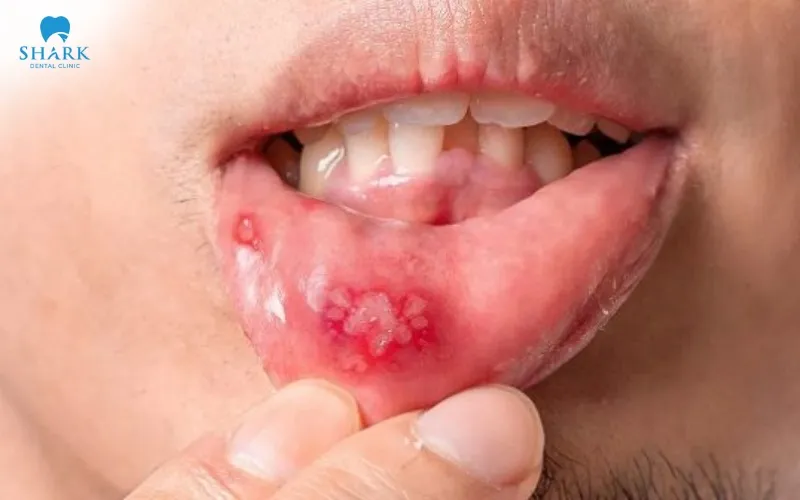
To help reduce the risk of developing a canker sore after tooth extraction, proper oral care and maintaining a healthy lifestyle play an extremely important role. Below are several simple yet effective preventive measures that can help protect the oral tissues and support a smoother healing process:
- Maintain a proper and balanced diet: You should ensure adequate intake of essential vitamins and minerals, especially B vitamins, iron, and folate. These nutrients help strengthen the immune system and support the regeneration and recovery of the oral mucosa, thereby helping reduce the likelihood of mouth ulcers developing after tooth extraction.
- Keep your mind relaxed and stress-free: Stress and anxiety can weaken the body’s immune response, making the oral tissues more vulnerable to irritation and ulcer formation. During the recovery period, it is recommended to get at least 8 hours of sleep each night and avoid overly strenuous physical activities to support faster healing.
- Limit smoking and alcohol consumption: Tobacco and alcoholic beverages can easily irritate the oral mucosa and increase the risk of inflammation and ulcer formation following tooth extraction. Avoiding or limiting alcohol after tooth extraction habits can help the extraction site and surrounding tissues recover more effectively.
- Maintain proper oral hygiene habits: You should clean your teeth and oral cavity regularly by brushing gently and using dental floss carefully, especially around the extraction area. Proper oral hygiene helps prevent bacterial buildup, minimizes irritation to the soft tissues, and reduces the risk of developing canker sores after tooth extraction.
>>> See more: When can you smoke after tooth extraction?

How to treat canker sore after tooth extraction?
In most cases, a canker sore after tooth extraction will heal naturally within about 1–2 weeks without requiring complicated medical treatment. However, if the ulcer causes significant pain, discomfort, or interferes with eating and daily activities, you can still apply several simple home care methods or use over-the-counter products to support the healing process more effectively. Below are some safe and commonly recommended ways to treat canker sore after tooth extraction:
- Rinsing with warm salt water: Warm salt water helps clean the affected area, reduces bacteria inside the mouth, and supports the natural healing process of the oral tissues. You can mix ½ teaspoon of salt with approximately 240ml of warm water, rinse gently for around 30 seconds, and repeat this method about 2–3 times per day.
- Applying cold compresses or sucking on ice cubes: Using a cold compress or sucking on small ice cubes can temporarily numb the ulcerated area, helping reduce swelling after tooth extraction, irritation, and pain effectively. This method may also help soothe the uncomfortable burning sensation caused by the mouth ulcer.
- Drinking enough water: Staying properly hydrated helps maintain moisture inside the oral cavity and prevents dry mouth, which is one of the factors that can make a canker sore after tooth extraction become more uncomfortable and slower to heal.
- Using Hydrogen Peroxide: Hydrogen Peroxide has antiseptic properties that help disinfect the ulcer area, reduce bacteria, and support tissue recovery. You can dilute the solution with water at a 1:1 ratio, then use a cotton swab to gently apply it onto the ulcer. It is important not to swallow the solution and to use only a 3% concentration product.
- Using medicated mouthwash: Certain therapeutic mouthwashes containing dexamethasone or anti-inflammatory ingredients may help relieve pain, reduce swelling, and improve the healing process. In more severe cases, you should consult a dentist for proper recommendations, which may include antibiotics or corticosteroid medications if necessary.

In summary, a canker sore after tooth extraction is a fairly common condition caused by irritation or trauma to the oral mucosa during the tooth extraction process, often leading to pain and discomfort inside the mouth. Through the information above, Shark Dental Clinic hopes you now have a more comprehensive understanding of this condition, helping you gain useful knowledge and practical experience for protecting and caring for your oral health properly.